
buttercream frosting cream cheese recipe


The Best buttercream frosting cream cheese recipe
The best part? It’s versatile enough for big occasions—like a wedding cake or a holiday feast—but it also fits right into everyday baking. I’ve used it on vanilla wafers for a quick snack, on chocolate chip cookies for a weekend treat, and even on a slice of cheesecake when I’m craving something light yet satisfying. Plus, it’s surprisingly forgiving—if you mess up the consistency, you can always adjust with a little more powdered sugar or a splash of milk. And honestly, the cream cheese adds a subtle tang that balances the sweetness perfectly, making it a reliable choice for any dessert. It’s not just frosting; it’s the kind of recipe that makes baking feel effortless and rewarding.
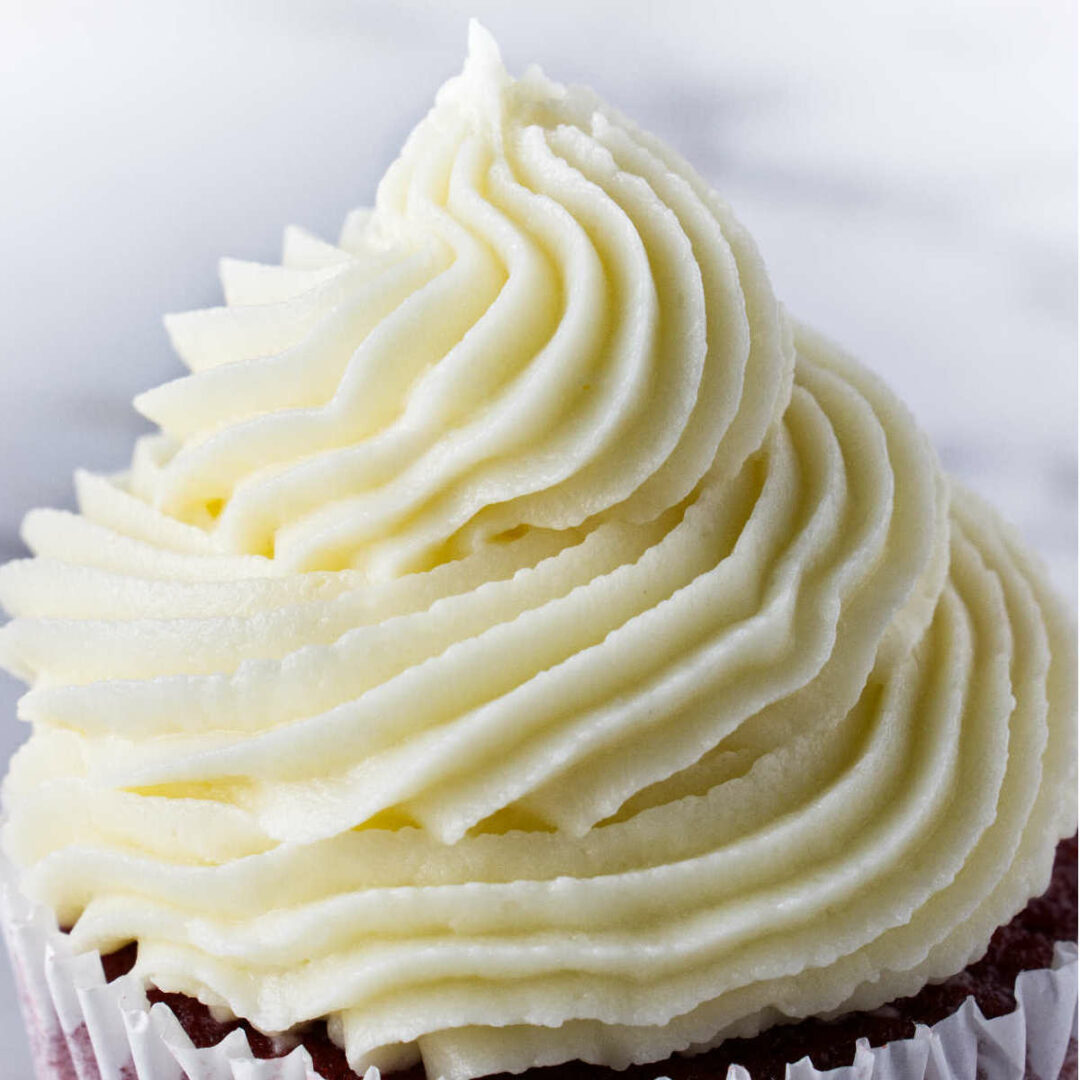
Classic Cream Cheese Buttercream Frosting
A smooth, rich frosting that pairs perfectly with cakes, cupcakes, or cookies. This recipe delivers a classic texture and flavor without the need for extra mixing.
🥘Ingredients
- 8 oz (225g) cream cheese, softened
- 1 cup (230g) unsalted butter, softened
- 2 cups (240g) powdered sugar
- 1 tsp vanilla extract
- 1/2 tsp almond extract (optional)
- 1/4 tsp salt
👨🍳Directions
-
1
In a large mixing bowl, beat the softened cream cheese until smooth and fully combined. -
2
Add the softened butter and mix on medium speed until fully incorporated and creamy. -
3
Gradually add the powdered sugar while continuing to mix on medium speed until smooth and fluffy. -
4
Add vanilla extract, almond extract (if using), and salt. Mix until fully combined and the frosting reaches a smooth, spreadable consistency.
🔧Equipment
- Stand mixer with beaters
- Large mixing bowl
- Whisk
📊Nutrition Facts (per serving)
📝Notes
Watch Video Of How Classic Cream Cheese Buttercream Frosting Works
❓ Frequently Asked Questions About Cream Cheese Buttercream Frosting
How do I adjust the recipe for dietary restrictions like gluten-free or dairy-free?
For gluten-free, replace the all-purpose flour with a certified gluten-free blend and ensure your butter and cream cheese are also dairy-free. For dairy-free, substitute the cream cheese with a dairy-free cream cheese spread or coconut cream whipped with powdered sugar. Keep in mind that texture may differ slightly, and you might need to adjust the sweetness or fat content.
Can I use store-bought frosting instead of making it from scratch?
While store-bought frosting can work as a temporary substitute, homemade buttercream offers richer flavor and a smoother texture. If you must use store-bought, choose a high-quality, unsweetened cream cheese-based frosting to minimize differences in consistency and taste.
What if my buttercream turns out too thick or too thin?
If the frosting is too thick, add 1 to 2 tablespoons of heavy cream or milk, one tablespoon at a time, until it reaches your desired consistency. If it’s too thin, mix in 1 to 2 tablespoons of powdered sugar or a bit more butter, adjusting slowly. Consistency should be like spreadable butter—easy to pipe but not dripping.
How long can I store homemade buttercream frosting?
Homemade buttercream typically lasts 3 to 5 days in an airtight container in the refrigerator. For longer storage, freeze portions in a single layer on a baking sheet first, then transfer to a freezer bag. Thaw in the fridge overnight before using.
Why does my frosting separate or develop lumps when mixing?
Separation or lumps often occur when ingredients are too warm or not mixed long enough. Ensure your cream cheese is softened (not melted) and cool to room temperature. Beat the butter and cream cheese together until smooth before adding powdered sugar. If lumps persist, strain the frosting through a fine-mesh sieve to remove any clumps before decorating.


