
buttercream swiss meringue recipe

The Best buttercream swiss meringue recipe
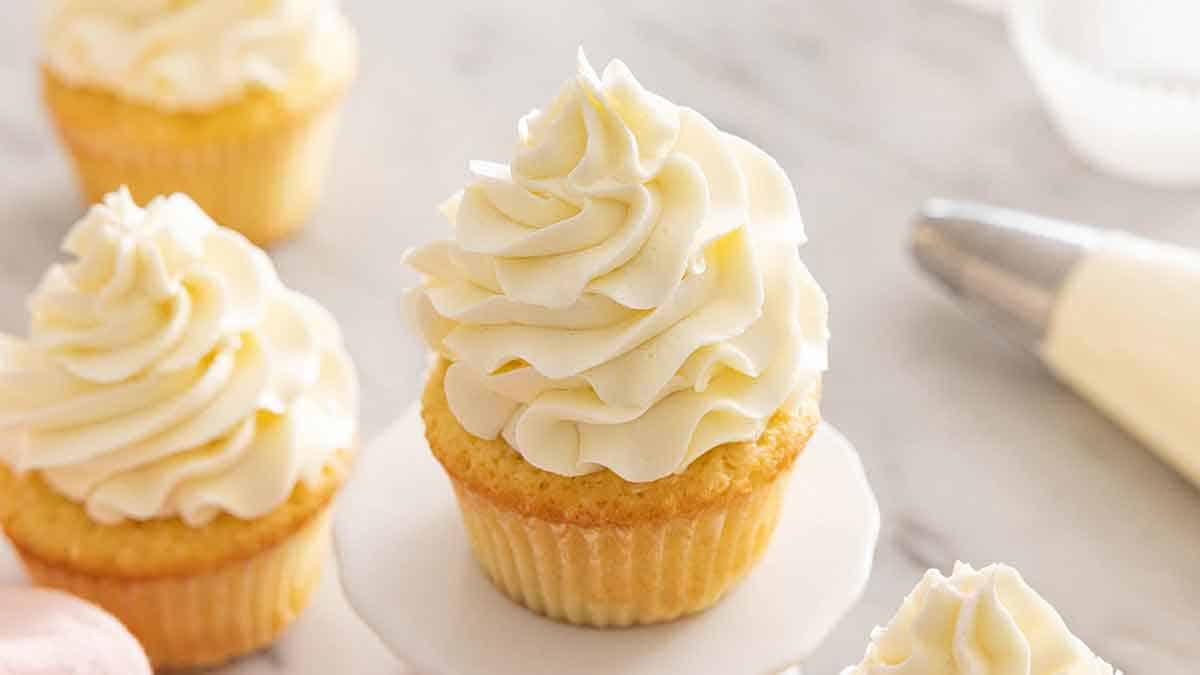
Swiss Meringue Buttercream
A light, airy, and stable buttercream made with Swiss meringue technique, perfect for frosting cakes, cupcakes, and pastries. This recipe is a must-try for any occasion.
🥘Ingredients
- 4 large egg whites, room temperature
- 1 cup granulated sugar
- 1 tsp white vinegar or lemon juice
- 1/2 tsp cream of tartar
- 1 cup (2 sticks) unsalted butter, softened
- 3 cups powdered sugar, sifted
- 1/2 cup heavy cream or milk
- 1 tsp vanilla extract
- Pinch of salt
👨🍳Directions
-
1
Preheat oven to 200°F (95°C). Place a wire rack over a baking sheet to catch any spills. -
2
In a heatproof bowl, combine egg whites, sugar, and cream of tartar. Place bowl over a pot of simmering water (double boiler), ensuring the bowl does not touch the water. Whisk constantly until the mixture reaches 160°F (71°C) on a candy thermometer. -
3
Remove from heat and add vinegar or lemon juice. Whisk vigorously until the mixture begins to thicken and turns glossy. Continue whisking until the meringue is stiff peaks form (about 5-7 minutes). -
4
Transfer meringue to a clean, dry mixing bowl. Sift powdered sugar over the meringue and fold gently with a spatula until fully combined. Add softened butter, heavy cream, vanilla extract, and salt. Beat on medium-high speed until smooth and fluffy (about 3-5 minutes). -
5
Adjust consistency by adding more powdered sugar (for thicker) or heavy cream (for thinner) as needed. Use immediately or store in an airtight container in the fridge for up to 3 days.
🔧Equipment
- Stand mixer with whisk attachment
- Heatproof glass or metal bowl
- Fine-mesh sieve
- Electric mixer or hand mixer
- Piping bag with a star tip (optional)
📊Nutrition Facts (per serving)
📝Notes
- For extra stability, chill the buttercream for 30 minutes before using.
- Substitute heavy cream with coconut cream for a dairy-free option.
- Ensure egg whites are at room temperature for best results.
Watch Video Of How Swiss Meringue Buttercream Works
❓ Frequently Asked Questions About Swiss Meringue Buttercream
What is the key difference between Swiss Meringue Buttercream (SMBC) and French Meringue Buttercream (FMB)?
Swiss Meringue Buttercream relies on a precise balance of sugar and water heated together until it reaches a soft ball stage (234–240°F or 112–116°C), then whipped with egg whites. French Meringue Buttercream, on the other hand, uses boiled egg whites combined with sugar syrup, resulting in a slightly denser and more stable consistency.
Why does my Swiss Meringue Buttercream turn grainy or separate?
Graininess or separation often occurs if the sugar syrup isn’t heated to the correct temperature (234–240°F) or if the egg whites aren’t stiff peaks. Ensure the syrup is cooled to room temperature before mixing with egg whites, and whip until fully combined and glossy. Overmixing can also introduce air pockets, so stop when the buttercream is smooth.
How do I adjust the recipe if I don’t have a candy thermometer?
For an estimate, heat the sugar and water mixture on the stove over medium heat until it reaches a thick syrup consistency—it should coat the back of a wooden spoon like a soft caramel. Alternatively, use the “rolling ball test” by dropping the syrup onto a cold surface; it should form a small, round ball that holds its shape when rolled. Avoid exceeding 240°F to prevent scorching.
Can I substitute butter in the SMBC recipe, and what are the alternatives?
Yes, you can substitute butter, but the texture may vary. For a smoother result, use unsalted European-style butter (like Plugrá or Land O’Lakes Soft Salted) at room temperature, as it contains less water. For a lighter texture, reduce butter by 1–2 tbsp and add cream cheese (1/4 cup) or margarine (though margarine can make it less stable). Avoid dairy-free butters, as they may not emulsify properly.
How long can I store Swiss Meringue Buttercream, and how should I store it?
SMBC can be stored at room temperature for 3–4 days in an airtight container. For longer storage (up to 2 weeks), refrigerate it in a sealed container. To prevent hardening, cover the surface with plastic wrap or a damp towel. If the buttercream thickens, warm it gently (under 110°F/43°C) and mix until smooth before using again.

