
chicken karaage recipe

The Best chicken karaage recipe
What I love most about karaage is how easy it is to customize. You can make it ahead and reheat it quickly, so it’s perfect for meal prep on busy weeknights. And because it’s baked rather than fried, it’s a healthier version of the classic fried chicken—still packed with flavor but with less oil. My husband and I have even experimented with adding different marinades or even swapping out chicken for turkey or shrimp, and everyone still loves it. It’s that kind of dish that feels like a little comfort in every bite, whether you’re serving it for a holiday meal or just because you’re craving something flavorful and satisfying. Plus, the kids always ask for seconds, so I know it’s a winner no matter the occasion.
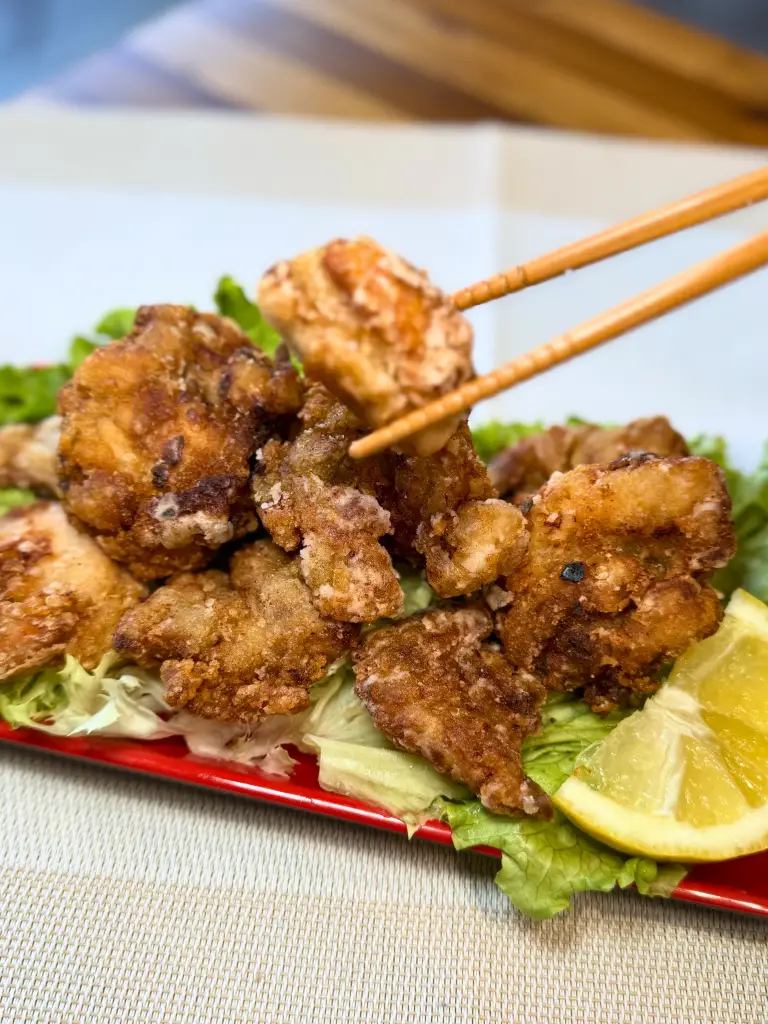
Japanese Chicken Karaage (Fried Chicken)
Crispy, marinated Japanese-style fried chicken that’s juicy inside and golden outside, perfect with dipping sauces. This recipe is a must-try for any occasion.
🥘Ingredients
- 1.5 lbs boneless chicken thighs (cut into 1-inch pieces)
- 1 tbsp soy sauce
- 1 tbsp rice vinegar
- 1 tbsp sesame oil
- 1 tsp grated ginger
- 2 cloves garlic (minced)
- 1 tsp sugar
- 1 tsp salt
- 1 cup all-purpose flour
- 1 tsp baking powder
- ½ tsp salt
- 1 egg (beaten)
- 1 tbsp cold water
- 1 cup dipping sauce (mix ½ cup mayo, 2 tbsp ketchup, 1 tbsp sriracha, 1 tsp soy sauce)
👨🍳Directions
-
1
Marinate the chicken: In a bowl, mix chicken with soy sauce, rice vinegar, sesame oil, ginger, garlic, sugar, and salt. Marinate for at least 30 minutes (or overnight for deeper flavor). -
2
Prepare the dough (if using): Mix flour, baking powder, salt, egg, and water into a soft dough. Roll out to about ¼-inch thickness. -
3
Coat chicken: If using dough, dip each piece in beaten egg, then roll in flour. For extra crispiness, press lightly with a fork. If not using dough, coat chicken directly in flour. -
4
Fry or bake: Heat oil in a deep fryer or oven (preheat to 375°F). Fry chicken for 4-5 minutes until golden, or bake on a lined tray at 400°F for 20-25 minutes, flipping halfway. -
5
Rest and serve: Let chicken rest for 5 minutes before serving with dipping sauce.
🔧Equipment
- Mixing bowls
- Food processor (optional)
- Baking sheet
- Oven or deep fryer
📊Nutrition Facts (per serving)
📝Notes
Tips
- For extra crispiness, double-fry: Fry once at lower temp (350°F) for 3-4 mins, then increase to 400°F for 2-3 mins.
- Use chicken thighs for juicier results. Pork belly works too!
- Substitute flour with panko for a crunchier texture.
- Garnish with sesame seeds and sliced green onions before serving.
Variations
- Add shredded cabbage or carrots to the marinade for a veggie twist.
- Use teriyaki sauce instead of soy sauce for a sweet-savory flavor.
Watch Video Of How Japanese Chicken Karaage (Fried Chicken) Works
❓ Frequently Asked Questions About Japanese Chicken Karaage (Fried Chicken)
What is the key difference between traditional Japanese chicken karaage and Western-style fried chicken?
The key difference lies in the marinade and cooking method. Traditional Japanese chicken karaage uses a light, flavorful marinade with soy sauce, ginger, garlic, and sometimes sake or mirin, along with a crispy coating of panko breadcrumbs. It’s typically double-fried for maximum crispiness. Western-style fried chicken often relies on a heavier batter (like flour, egg, and breadcrumbs) and may include more spices like paprika or cayenne, but lacks the delicate balance of flavors found in karaage.
—
Why does my chicken karaage turn out soggy instead of crispy?
A soggy karaage usually happens due to overcooking or not frying at the right temperature. First, ensure your oil is hot enough (around 350–375°F/175–190°C) before adding the chicken. Double-frying is crucial: fry once briefly to seal the coating, then remove and fry again at a higher heat (375–400°F/190–200°C) for 3–4 minutes until golden and crispy. Also, avoid overcrowding the pan—cook in batches to maintain proper oil temperature.
—
Can I use chicken thighs instead of breasts for karaage?
Absolutely! Chicken thighs are preferred in karaage because they stay juicier and hold up better to the double-frying process. They also develop a richer, meatier flavor. If using breasts, keep them slightly undercooked initially to prevent drying out, and consider cutting them into smaller pieces for even cooking. Thighs also have a higher fat content, which helps create a more flavorful crust.
—
What’s the best way to store leftover chicken karaage?
Store leftover karaage in an airtight container in the refrigerator for up to 3–4 days. To reheat, crisp it up in a hot pan with a little oil (3–4 minutes per side) or bake at 375°F (190°C) for 10–15 minutes. For extra crispiness, you can also air-fry or toast it in a dry skillet. Avoid reheating in the microwave, as it can make the coating soggy.
—
Can I make karaage without soy sauce, and if so, what’s a good substitute?
While soy sauce is traditional, you can omit it and still make delicious karaage by using a blend of other flavorful ingredients. For a lighter option, try a marinade with:
– Ginger (fresh or grated)
– Garlic (minced)
– Mirin or honey (for sweetness)
– Sake or dry sherry (for depth)
– A pinch of sugar or brown sugar
– Optional: A splash of lemon juice or white vinegar for tang.
For umami, you can also add a small amount of fish sauce or miso paste (1 tsp). The key is balancing sweet, sour, and savory notes without relying solely on soy.
