
cochinita pibil recipe

The Best cochinita pibil recipe
What I love most about this recipe is how it’s both a celebration and a comfort. It’s perfect for holidays or just a quiet night in, but it also holds up well for leftovers, so you don’t have to stress about wasting food. Plus, the health benefits are kind of hidden in plain sight. The citrus marinade isn’t just flavorful; it helps tenderize the meat and keeps it moist, while the spices add antioxidants without overpowering. And because it’s slow-cooked, you get juicy, flavorful meat with less need for extra fats. My family loves it because it’s always a hit, whether we’re serving it with rice, beans, and fresh salsa or just enjoying it straight from the pan. It’s a dish that feels like home, and that’s what matters most.
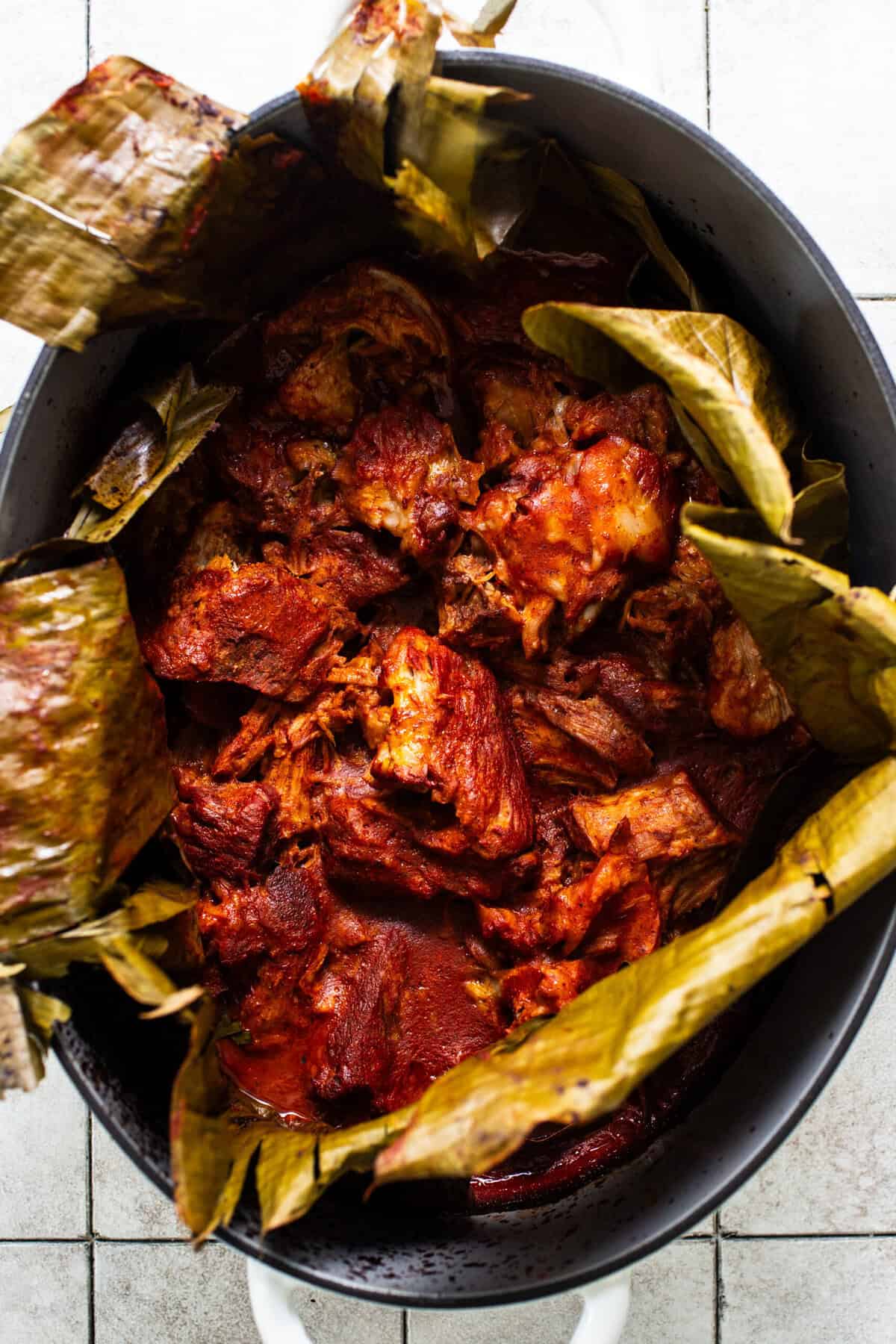
Cochinita Pibil Recipe
A traditional Yucatán dish featuring slow-cooked pork marinated in achiote, citrus, and spices, served with warm corn tortillas and pickled onions. This recipe is a must-try for any occasion.
🥘Ingredients
- 2 lbs pork shoulder (cut into 1-inch cubes)
- 1 cup achiote paste (or 1 tbsp ground annatto)
- 1 cup orange juice
- 1 cup pineapple juice
- 4 cloves garlic, minced
- 1 tsp ground cumin
- 1 tsp dried oregano
- 1 tsp smoked paprika
- 1 tsp salt
- ½ cup chopped fresh cilantro
- 8 corn tortillas
- 1 tbsp vegetable oil
- 1 red onion, thinly sliced
- ½ cup apple cider vinegar
- 1 tbsp sugar
- ½ tsp salt
👨🍳Directions
-
1
In a large bowl, combine achiote paste, orange juice, pineapple juice, garlic, cumin, oregano, smoked paprika, and salt. Mix well. -
2
Add pork cubes to the marinade and coat evenly. Let it marinate for at least 2 hours (or overnight for deeper flavor). -
3
Preheat oven to 350°F (175°C). Place the marinated pork in a slow cooker or Dutch oven. Cover with foil and cook on low for 3 hours. -
4
Remove pork from the slow cooker and let it rest for 10 minutes. Shred or cut into bite-sized pieces. Set aside. -
5
Heat oil in a skillet over medium heat. Warm the tortillas by cooking each one for 30 seconds per side. -
6
Prepare pickled onions by mixing vinegar, sugar, and salt. Let them sit for at least 15 minutes before serving. -
7
Serve the shredded pork with warm tortillas, pickled onions, and extra cilantro. -
undefined
undefined -
undefined
undefined -
undefined
undefined -
undefined
undefined
🔧Equipment
- Slow cooker or Dutch oven
- Mixing bowls
- Knife and cutting board
- Measuring cups and spoons
- Aluminum foil
📊Nutrition Facts (per serving)
📝Notes
- For extra tenderness, use a slow cooker on low for the entire 2.5 hours.
- Achieve vibrant red color by ensuring achiote paste is well incorporated.
- Substitute pineapple juice with orange juice for a slight variation.
- Serve with warm tortillas and a side of black beans for a complete meal.
Watch Video Of How Cochinita Pibil Recipe Works
❓ Frequently Asked Questions About Cochinita Pibil
What is the difference between cochinita pibil and other traditional Yucatecan dishes like pibil or cochinita en adobo?
Cochinita pibil is a distinct Yucatecan dish where pork is slow-cooked in a tangy, aromatic sauce made with achiote (annatto), vinegar, garlic, and spices, then wrapped in banana leaves. Unlike pibil, which is typically made with chicken or turkey, or cochinita en adobo (which uses adobo sauce), cochinita pibil is known for its tender, flavorful meat infused with the rich, earthy notes of achiote. The banana leaf wrapping also adds a subtle smoky flavor and helps retain moisture during cooking.
Why is banana leaf used in cochinita pibil, and can I substitute it?
Banana leaves are traditional for wrapping cochinita pibil because they help retain heat, keep the meat moist, and add a subtle smoky, slightly sweet flavor. However, if you can’t find banana leaves, you can use aluminum foil or even a plastic wrap (though foil may not provide the same level of moisture retention). For authenticity, look for large, unbleached banana leaves (like Plantação or Musa sapientum), but a good substitute is a heavy-duty foil lined with a thin layer of oil or achiote paste to mimic the wrapping effect.
How long should I marinate the pork for cochinita pibil, and what’s the best way to prepare it?
The marinade for cochinita pibil should be left on the pork for at least 4–6 hours (or overnight for best results), but the longer it marines, the more intense the flavor. Start by cutting the pork into large chunks (about 2–3 inches) to ensure even cooking. In a bowl, mix achiote paste (or ground annatto seeds), vinegar (white or apple cider), garlic, onion, cilantro, cumin, black pepper, and a pinch of salt. Coat the pork thoroughly, then place it in a slow cooker, banana leaf-wrapped or foil-wrapped, and cook on low heat for 6–8 hours (or until fork-tender). For extra tenderness, you can also bake it at 300°F (150°C) for 3–4 hours in an oven lined with banana leaves or foil.
Can I make cochinita pibil without fresh achiote paste, and what alternatives work best?
Yes, you can make cochinita pibil without achiote paste, but the flavor will be slightly different. If you don’t have fresh achiote paste, use ground annatto seeds (soaked in warm water for 10 minutes to release color) or turmeric (though it won’t have the same deep red hue). For the tangy base, increase the vinegar slightly (up to ½ cup) or add a splash of lime juice. If you want a richer, more authentic taste, try making your own paste by blending achiote seeds, vinegar, garlic, and a little oil until smooth. Avoid using paprika or other red spices—they won’t replicate the distinct Yucatecan flavor.
How do I serve cochinita pibil traditionally, and what sides pair best with it?
Traditionally, cochinita pibil is served with mole negro (a dark, complex sauce often made with chocolate, chiles, and spices), hominy (tortillas de maíz), and fresh cilantro, lime wedges, and pickled onions. Other classic sides include:
– Pineapple salsa (a sweet-tart topping)
– Black beans (frijoles negros)
– Cucumber salad (ensalada de cucumber)
– Fresh tortillas (made with corn or flour)
– Avocado slices
For a lighter meal, serve it with crispy plantains or yuca (cassava) fries. The key is balancing the rich, smoky pork with fresh, bright flavors—don’t forget the lime!


