
creamy horseradish sauce recipe

The Best creamy horseradish sauce recipe
What really makes this sauce special is how it brings people together. Whether it’s a holiday gathering or just a cozy family dinner, serving horseradish on the side lets everyone customize their plate. My husband always says it’s the one condiment that makes him feel like he’s dining at a restaurant, and honestly, it’s not too far off. The creamy texture masks the sharpness just enough so it’s not overwhelming, but the kick is there when you want it. Plus, it’s a great way to sneak in some extra veggies—horseradish root is packed with vitamins and minerals, and the sauce itself is just a simple blend of ingredients that don’t take long to prepare. It’s one of those recipes that feels like a little treat, but it’s also so practical you’ll want to keep it in your pantry all year long.
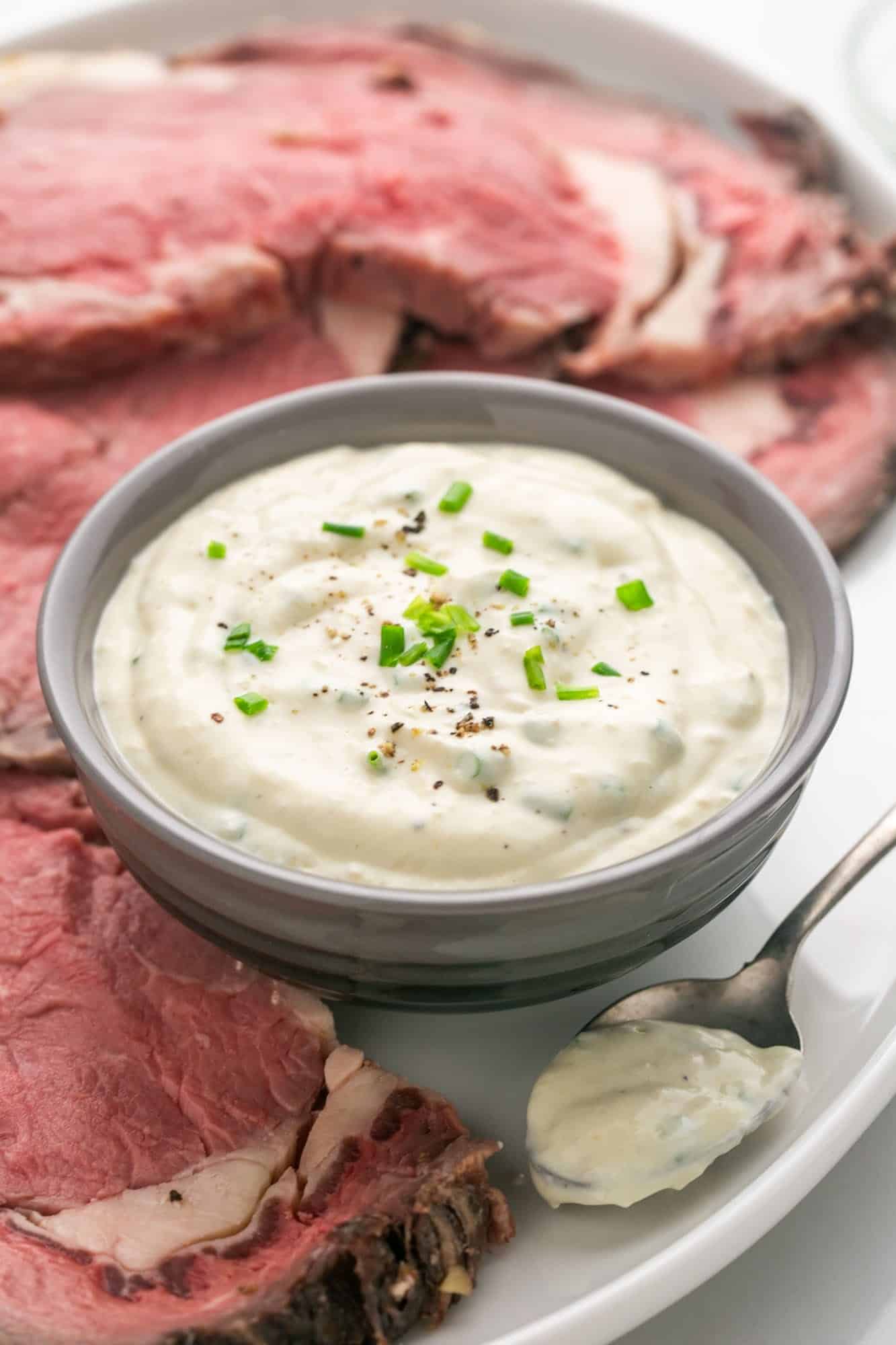
Creamy Horseradish Sauce
A zesty, creamy horseradish sauce perfect for enhancing the flavor of meats, fish, or as a dip. Its tangy kick balances rich proteins beautifully.
🥘Ingredients
- 1 cup mayonnaise (or Greek yogurt for a lighter option)
- 1/2 cup finely grated fresh horseradish (adjust to taste)
- 1/4 cup sour cream or crème fraîche
- 1 clove garlic, minced
- 1 tbsp lemon juice
- 1/2 tsp Dijon mustard
- Salt and black pepper to taste
👨🍳Directions
-
1
In a mixing bowl, combine mayonnaise, grated horseradish, sour cream, minced garlic, lemon juice, Dijon mustard, salt, and black pepper. -
2
Whisk until smooth and creamy. Adjust horseradish quantity to taste—start with 1/4 cup and add more if you prefer a stronger flavor.
🔧Equipment
- Mixing bowl
- Whisk
- Fine grater
📊Nutrition Facts (per serving)
📝Notes
Tips
- For a milder sauce, soak the horseradish in cold water for 15 minutes before grating.
- Use high-quality horseradish root for the best flavor.
- Store in an airtight container in the fridge for up to 5 days.
Watch Video Of How Creamy Horseradish Sauce Works
❓ Frequently Asked Questions About Creamy Horseradish Sauce
What is the best way to prepare fresh horseradish for creamy sauce?
To prepare fresh horseradish for creamy sauce, start by peeling the root using a vegetable peeler or knife, then grate it finely. For a smoother texture, blend the grated horseradish with a bit of cold water to thin it out. Avoid using pre-shredded horseradish, as it often contains additives that can alter the flavor.
—
How can I adjust the spiciness level of the creamy horseradish sauce?
The spiciness of the sauce can be adjusted by modifying the ratio of horseradish to cream. For a milder sauce, use less grated horseradish or add more sour cream, mayo, or Greek yogurt. If you want it hotter, increase the horseradish proportion or add extra red pepper flakes or hot sauce. Taste as you go!
—
What are common substitutes for sour cream in this recipe?
If you don’t have sour cream, you can use:
– Greek yogurt (plain, full-fat for best results)
– Mayonnaise (for a richer texture)
– Buttermilk (diluted slightly with milk for creaminess)
– Heavy cream (blended in for a lighter but still tangy option)
For extra richness, mix in a bit of butter or cream cheese.
—
Why does my creamy horseradish sauce separate or turn grainy?
Separation or graininess often happens due to:
– Overmixing after blending: Stop stirring once smooth to avoid breaking down the emulsions.
– Using too much liquid (e.g., too much water or milk): Reduce liquid slightly or strain the mixture for a smoother texture.
– Storing improperly: Keep the sauce refrigerated in an airtight container and consume within 3–4 days. Reheat gently if needed (microwave on low or warm gently in a saucepan).
For a smoother texture, strain the sauce through a fine-mesh sieve before serving.
—
Can I make this horseradish sauce ahead of time, and how should I store it?
Yes, you can prepare the sauce in advance! Store it in an airtight container in the refrigerator for up to 3–4 days. To prevent sogginess, let it sit at room temperature for 5–10 minutes before serving. If it’s too thick after storing, thin it with a splash of milk, cream, or water. For longer storage, consider freezing (though texture may change slightly).
