
curry rice recipe

The Best curry rice recipe
My kids are always asking for it, especially when they’re picky eaters—it’s the one dish that somehow manages to appeal to everyone, from the pickiest little one to the one who wants to try new things. I’ve found that the health benefits make it even more appealing. It’s packed with protein from the chicken or tofu, fiber from the rice and veggies, and healthy fats from the coconut milk—none of that heavy cream nonsense. It’s a balanced meal that doesn’t feel like a chore to prepare, and honestly, it’s one of those recipes that’s so easy to double or freeze that it’s always there when life gets busy. Plus, the way the spices caramelize and the rice soaks up the sauce makes it feel like a little treat, even if it’s just for everyday eating.
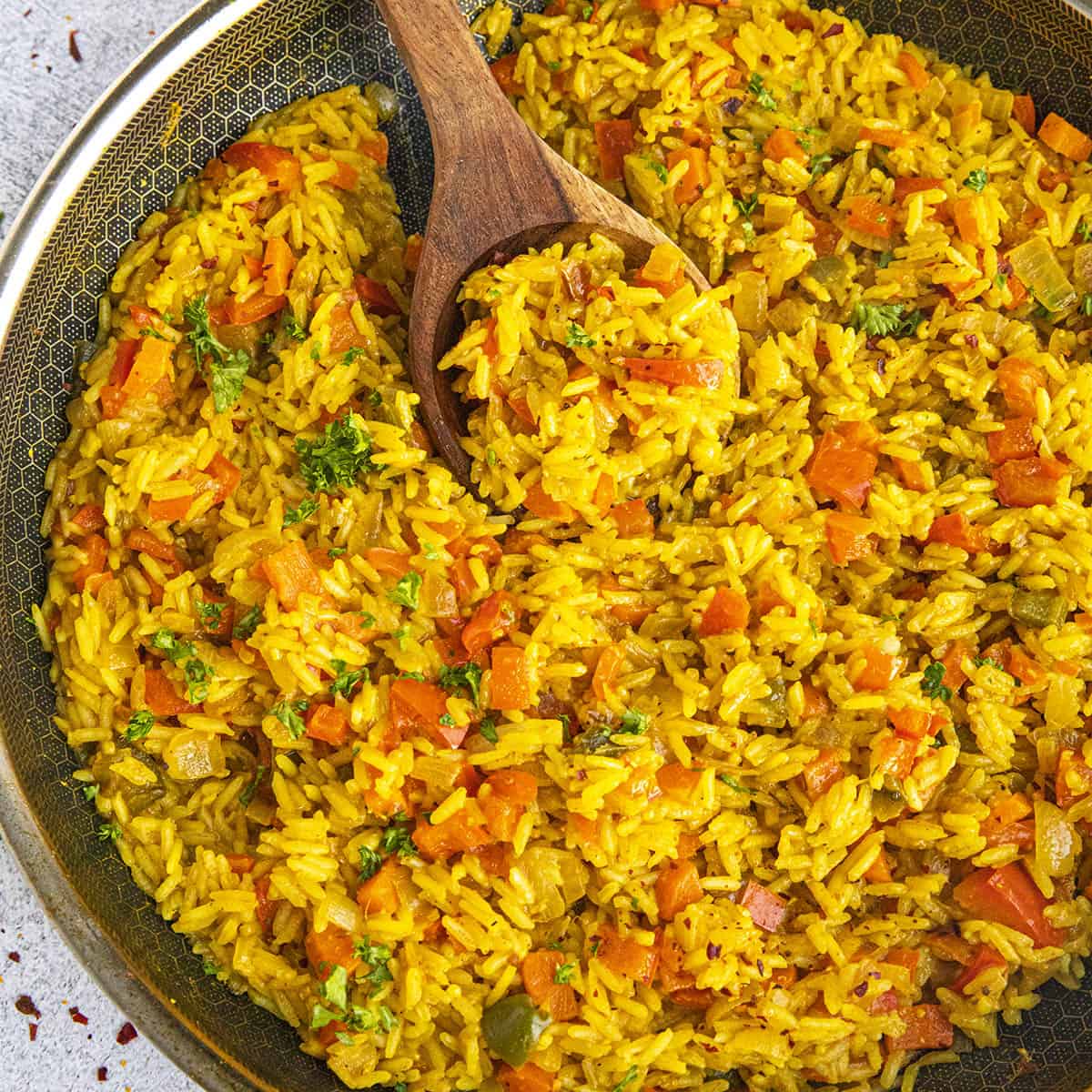
Thai Coconut Curry Rice
A flavorful and aromatic dish featuring a rich coconut curry sauce paired with fragrant basmati rice. Perfect for a comforting meal with protein of your choice.
🥘Ingredients
- 2 tbsp coconut oil
- 1 tbsp red curry paste
- 1 can (400ml) coconut milk
- 1 cup chicken or vegetable broth
- 1 cup diced tomatoes
- 1 red bell pepper, sliced
- 1 cup cherry tomatoes, halved
- 1 cup sliced mushrooms
- 1 cup cooked chicken or tofu (optional)
- 1 tbsp fish sauce (or soy sauce)
- 1 tsp sugar
- 1 stalk lemongrass, bruised and chopped
- 2 kaffir lime leaves, torn
- 1 tbsp lime juice
- 2 cups basmati rice, rinsed
- 1 cup water
👨🍳Directions
-
1
Rinse the basmati rice thoroughly under cold water until the water runs clear. Drain well. -
2
In a medium saucepan, heat coconut oil over medium heat. Add red curry paste and stir for 1 minute until fragrant. -
3
Pour in coconut milk, chicken or vegetable broth, and diced tomatoes. Stir well and bring to a gentle simmer. -
4
Add sliced bell pepper, cherry tomatoes, mushrooms, and lemongrass. Simmer for 5 minutes. -
5
Stir in fish sauce, sugar, kaffir lime leaves, and lime juice. Simmer for another 5 minutes. -
6
Add cooked chicken or tofu (if using) and simmer for 2-3 minutes to heat through. -
7
In a separate pot, bring water to a boil. Add rinsed rice and cook according to package instructions (usually 15-18 mins). Once cooked, fluff with a fork. -
8
Divide the cooked rice into serving bowls. Spoon the curry sauce over the rice and garnish with extra kaffir lime leaves and lime wedges if desired.
🔧Equipment
- Large pot
- Medium saucepan
- Wooden spoon
- Knife and cutting board
- Mixing bowls
- Steamer basket
- Serving platter
📊Nutrition Facts (per serving)
📝Notes
- For extra richness, add a splash of heavy cream or a fried egg on top.
- Substitute chicken with shrimp, chicken thighs, or plant-based proteins like tempeh.
- Ensure your curry paste is of good quality for the best flavor.
- Adjust the amount of curry paste to taste; more for spicier curry, less for milder.
Watch Video Of How Thai Coconut Curry Rice Works
❓ Frequently Asked Questions About Thai Coconut Curry Rice
What is the best way to cook the curry paste for curry rice to ensure it has the perfect balance of flavors?
To achieve the perfect balance, start by heating a small amount of oil in a pan over medium heat. Add the pre-made curry paste (or homemade blend) and cook it for about 2-3 minutes, stirring constantly to release the aromatics. Avoid burning the paste by keeping the heat just below medium. If using homemade paste, add a pinch of turmeric and a small amount of coconut milk to enhance the color and depth. Let it simmer for 1-2 minutes before adding the rest of the ingredients to prevent the paste from becoming too thick.
—
How can I make the curry rice extra creamy without using coconut milk?
For a creamy texture without coconut milk, you can use one of these substitutes:
– Cream of coconut: Blend ½ cup of coconut cream (from a can) with a little water to thin it out, then stir it into the curry.
– Heavy cream or whole milk: Use ½ cup of heavy cream or whole milk, simmered with the curry paste, to thicken the sauce naturally.
– Yogurt or Greek yogurt: Add ¼ cup of plain yogurt (or Greek yogurt for extra tang) at the end of cooking to thicken and enrich the dish.
– Coconut yogurt: If you have it, blending a bit of coconut yogurt with warm water can give a lighter, creamy consistency.
—
Can I use any type of rice for curry rice, and if so, which is the best?
Yes, you can use different types of rice, but the best options for curry rice are:
– Jasmine rice: Light and fragrant, it absorbs flavors well and holds up perfectly in curries. Rinse it thoroughly before cooking.
– Basmati rice: Long-grain and aromatic, it pairs beautifully with rich curries. Parboil it for 5 minutes before cooking to prevent mushiness.
– Short-grain rice (sushi rice): Slightly sticky, it works well if you prefer a firmer texture, but it can be slightly gummy if overcooked.
– Brown rice: Nutty and hearty, it’s a great option if you want extra fiber, but it may require longer cooking time.
Avoid using white rice that’s been overcooked or overly sticky varieties like glutinous rice unless you’re making a specific type of curry rice.
—
Why does my curry rice turn out mushy or undercooked, and how can I fix it?
Mushy or undercooked rice in curry rice usually happens due to these common mistakes:
– Overcooking the rice: If the rice absorbs too much liquid, it can turn mushy. To fix this, cook rice in a 1:1.5 ratio (rice to water) for basmati or jasmine, and simmer uncovered for the last 5 minutes to evaporate excess moisture.
– Not draining water properly: After boiling, drain the rice and rinse it under cold water to remove excess starch. Then, cook it in fresh water.
– Adding rice too early: If you add rice to the curry too soon, it won’t cook properly. Cook the rice separately first, then mix it in after the curry is done.
– Using the wrong rice variety: Long-grain rice (like jasmine or basmati) is less likely to turn mushy than short-grain rice. If using short-grain, reduce the water slightly and cook for a shorter time.
For undercooked rice, let it sit covered for 5–10 minutes after cooking to finish steaming.
—
How can I make the curry rice spicier without burning the flavors?
To enhance the spice without overpowering the dish, try these techniques:
– Gradual addition of chili: Start with a small amount of fresh chilies (like Thai bird’s eye or green chilies) or a pinch of red chili powder, then adjust to taste. Simmer the paste for 2–3 minutes before adding more.
– Use fresh chilies: Finely mince 1–2 fresh chilies (remove seeds for less heat) and stir them into the curry paste before cooking. Let them release their oils for 1–2 minutes before adding other ingredients.
– Add spice at the end: For a balanced heat, add a dash of chili powder or a pinch of cayenne pepper (½ tsp) at the very end of cooking.
– Balance with sweetness: A tiny bit of sugar or brown sugar (¼ tsp) can mellow out the heat from chili while adding depth.
– Use smoked paprika: A pinch (¼ tsp) of smoked paprika adds warmth without sharpness and pairs well with spicy curries.
If you prefer a gradual heat, blend dried chilies into the paste first before cooking.

