
curry sauce recipe

The Best curry sauce recipe
What really makes this curry sauce special is how it brings so much warmth and depth to whatever it’s paired with. It’s not just a sauce—it’s a flavor explosion that makes everything taste better. My family loves it because it’s easy to customize; you can adjust the heat, the spices, or even swap in different proteins or veggies to keep things fresh. And let’s be honest, kids don’t mind the spice if it’s wrapped up in something delicious, and honestly, the health benefits make it even more appealing. It’s packed with ingredients like turmeric, which has anti-inflammatory properties, and coconut milk that adds a creamy richness without being heavy. Plus, the spices aren’t just flavor—they’re good for you. It’s a recipe that’s as good for the soul as it is for the body, and honestly, that’s why we make it every chance we get.
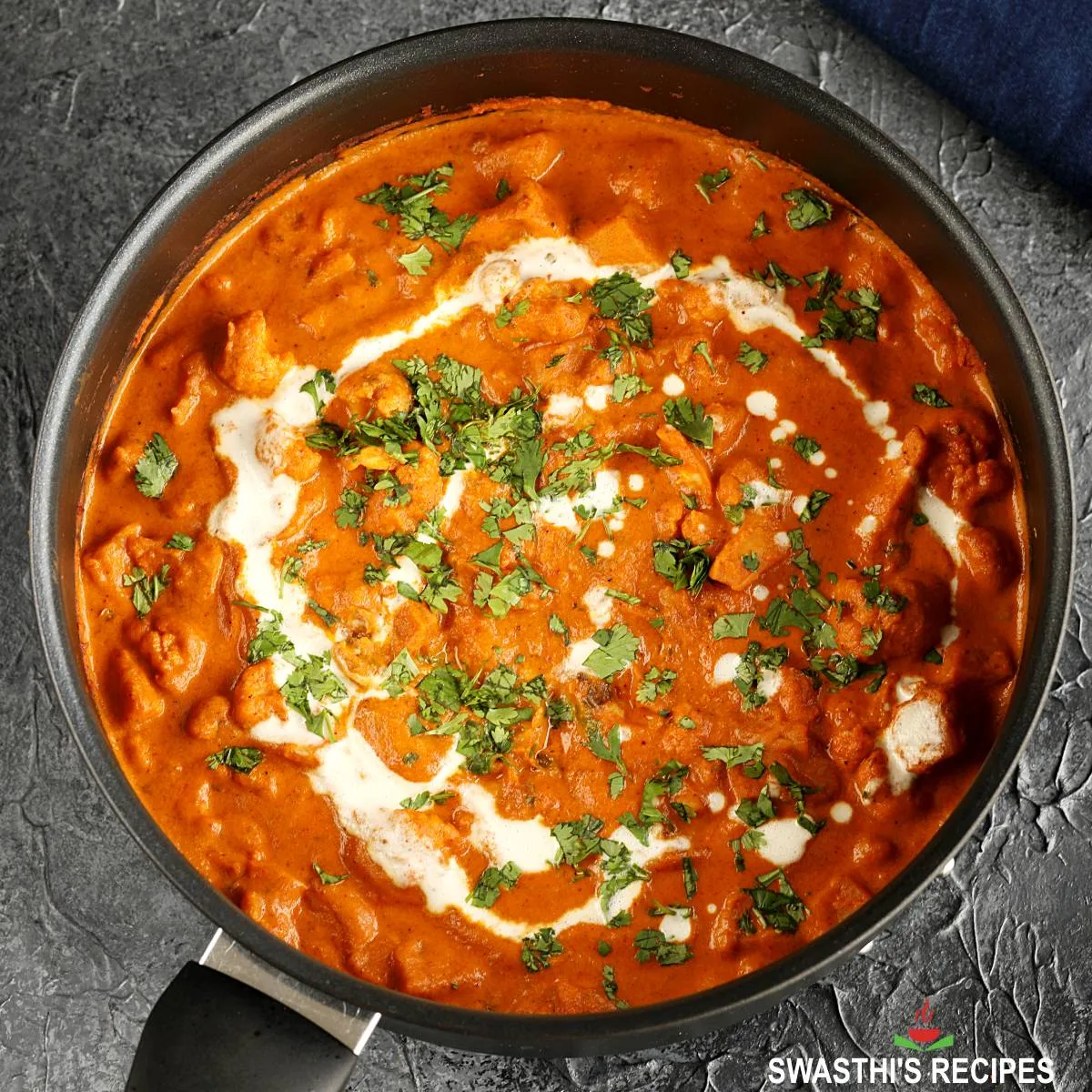
Thai Red Curry Sauce
A rich and aromatic Thai Red Curry Sauce perfect for pairing with rice and fresh vegetables or chicken and tofu. The vibrant red color comes from the use of red curry paste.
🥘Ingredients
- 2 tbsp red curry paste (or 1 tbsp red curry paste + 1 tbsp coconut milk)
- 1 tbsp coconut oil
- 1 can (14 oz) coconut milk
- 1 cup chicken or vegetable broth
- 1 cup tomato sauce
- 1 tbsp fish sauce (or soy sauce for vegetarian)
- 1 tbsp brown sugar or palm sugar
- 1 tsp garlic powder
- 1 tsp ginger powder
- 1 red bell pepper, sliced
- 1 cup green beans, trimmed
- 1 cup bamboo shoots, sliced (optional)
- 1 cup Thai basil leaves
👨🍳Directions
-
1
In a blender, combine red curry paste and coconut oil. Blend until smooth, then set aside. -
2
In a saucepan, heat coconut milk and broth over medium heat. Stir in tomato sauce, fish sauce, and brown sugar. Simmer for 5 minutes. -
3
Add the blended curry paste to the saucepan. Stir well and simmer for another 5 minutes. -
4
Add sliced red bell pepper, green beans, and bamboo shoots. Cook for 8-10 minutes until vegetables are tender. -
5
Remove from heat and stir in Thai basil leaves. Adjust seasoning with extra fish sauce or sugar if needed.
🔧Equipment
- Large saucepan
- Blender or food processor
- Knife and cutting board
- Measuring cups and spoons
- Wooden spoon
📊Nutrition Facts (per serving)
📝Notes
Tips
- For extra depth, add a pinch of chili flakes or sliced fresh chilies.
- Substitute coconut milk with light coconut milk for a lighter sauce.
- Use chicken, shrimp, or tofu as a protein base.
- For a vegetarian version, omit fish sauce and use extra vegetable broth and soy sauce.
Storage: Store in an airtight container in the fridge for up to 5 days. Reheat gently before serving.
Watch Video Of How Thai Red Curry Sauce Works
❓ Frequently Asked Questions About Thai Red Curry Sauce
What is the best way to balance the flavors in a homemade curry sauce?
The key to balancing a curry sauce lies in using a mix of aromatic spices, fresh herbs, and a touch of acidity or sweetness. Start with a base of coconut milk or light vegetable broth, then gradually add ground spices (turmeric, coriander, cumin, and garam masala) while stirring to avoid burning. For depth, incorporate fresh ginger, garlic, and onions sautéed until fragrant. Finish with lemon juice, lime, or yogurt to cut the richness, and a pinch of sugar or brown sugar to balance heat. Adjust salt and spice levels gradually—taste as you go!
—
Can I substitute coconut milk for another liquid in curry sauce, and if so, what’s the best alternative?
Yes! While coconut milk is traditional for curries, you can substitute it with light cream, cashew cream (blended soaked cashews), or even a mix of water and vegetable broth (for a lighter texture). For a dairy-free option, unsweetened almond milk or oat milk works but may require extra thickening (like a cornstarch slurry). If using cream, reduce the sauce slightly to avoid heaviness. For a richer alternative, blend toasted cashews or peanuts with water for a creamy base.
—
How do I prevent my curry sauce from becoming too thick or watery?
A curry sauce can thin out from overcooking, excessive liquid, or not enough thickening agents. To avoid this:
1. Simmer gently—don’t boil aggressively to prevent evaporation.
2. Use a roux (toasted oil + flour) at the start to build thickness (e.g., 1:1 oil-to-flour ratio).
3. Add a slurry of cornstarch, arrowroot, or tapioca starch (1 tbsp starch + 2 tbsp water) when the sauce is nearly done.
4. Balance with fat—reduce liquid by simmering longer or adding a splash of ghee, butter, or oil to emulsify.
5. Check consistency early—taste after 20 minutes of cooking and adjust with a pinch of salt or a thickener if needed.
—
What spices should I use for a basic curry sauce, and how do whole spices differ from ground?
A basic curry sauce typically uses:
– Whole spices (toasted and ground later): cinnamon, cardamom pods, cloves, black peppercorns, bay leaves, star anise.
– Ground spices: turmeric, coriander, cumin, ginger, garlic, red chili powder, garam masala.
– Key differences:
– Whole spices release more aromatic oils when toasted, adding depth. Grind them fresh (or store-bought) for best flavor.
– Ground spices are convenient but can lose potency if overused. Start with ½ tsp–1 tsp per serving and taste.
– Fresh ginger/garlic add brightness; dried can be used but need more quantity. For a mild curry, reduce ground chili powder; for heat, add fresh chilies or cayenne.
—
How do I incorporate fresh herbs into a curry sauce, and which herbs work best?
Fresh herbs elevate curry sauce with freshness and complexity. Best herbs for curries include:
– Coriander leaves (fresh, not stems) for brightness.
– Cilantro (coriander leaves)—adds a citrusy finish.
– Mint (especially in Thai or Indian curries) for a cooling effect.
– Lemongrass (thinly sliced) for a citrusy, floral note (common in Thai/Indian curries).
– Fresh ginger or turmeric (grated) for extra zing.
How to use:
– Add herbs at the end (5–10 minutes before serving) to preserve color and texture.
– For deep flavor, lightly fry herbs in oil before adding other ingredients.
– Avoid overcrowding—fold herbs gently into the sauce to avoid breaking them.

