
dandelion greens recipe

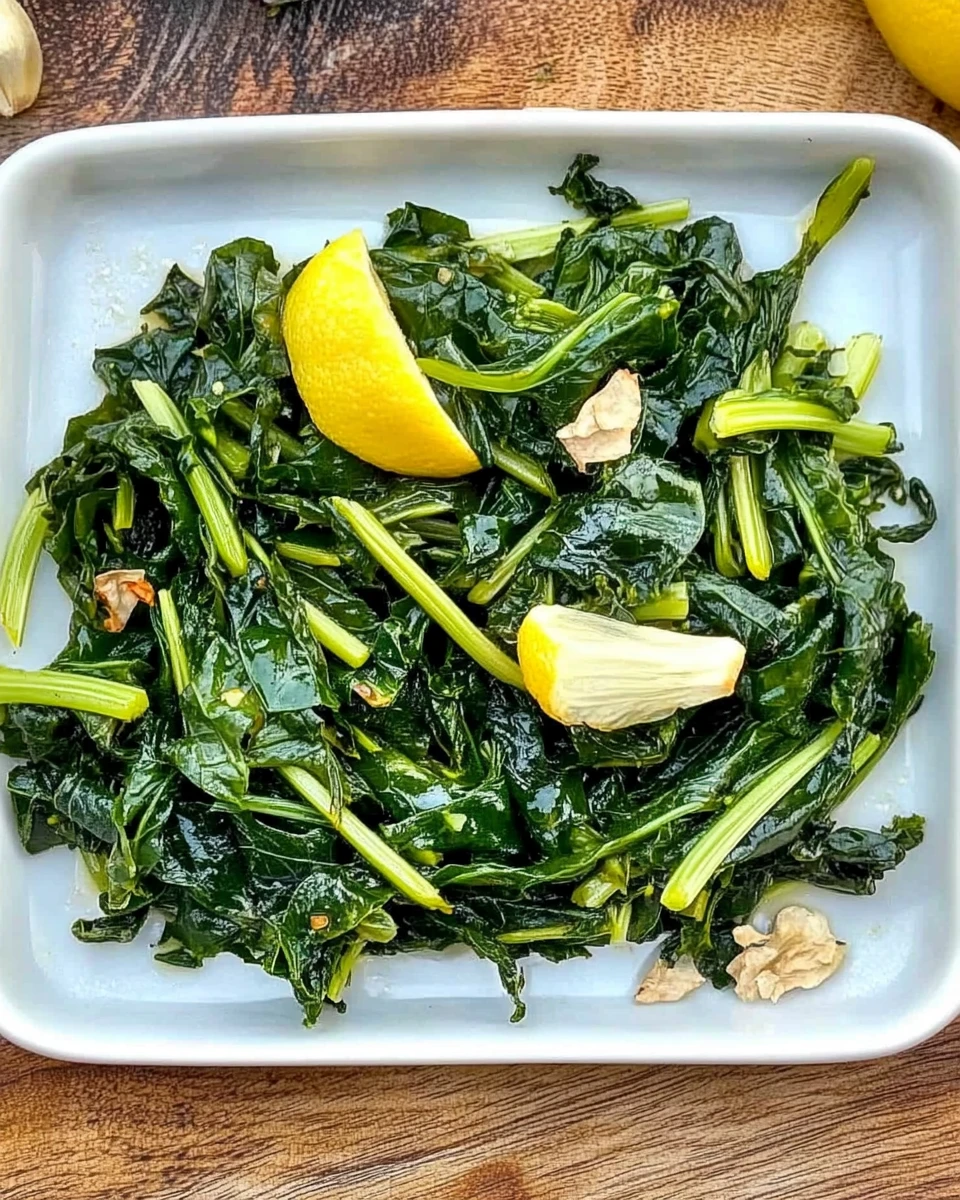
The Best dandelion greens recipe
I love this recipe because it’s so versatile—great for a quick salad, a hearty side dish, or even a smoothie if you’re feeling adventurous. My husband swears by it as a way to sneak in more greens without making it look like a health food platter. The kids love it when we serve it with a balsamic vinaigrette or a sprinkle of cheese, and it’s always a hit at potlucks because no one expects it to be this good. Plus, dandelion greens are packed with vitamins—lots of vitamin A, C, and K, plus minerals like calcium and iron. They’re also low in calories but high in fiber, so they keep you feeling full without weighing you down. It’s one of those recipes that feels like a no-brainer for everyday eating, but it also works perfectly for special occasions, like a brunch spread or a light dinner for guests. No one has to know it’s not just a garden weed—it’s a real, tasty part of the meal.
Wild Garlic & Dandelion Greens Pesto Pasta
A vibrant, nutrient-packed pasta dish featuring tender dandelion greens and wild garlic, infused with a creamy pesto base. Light yet flavorful, this dish highlights the earthy sweetness of dandelions and the aromatic punch of wild garlic.
🥘Ingredients
- 2 cups fresh dandelion greens (stems removed)
- 1 cup fresh wild garlic
- ½ cup pine nuts
- ¼ cup grated Parmesan cheese
- 3 tbsp olive oil
- 2 tbsp lemon juice
- Salt and pepper to taste
- 12 oz (340g) whole wheat or chickpea pasta
- 2 tbsp olive oil
- 1 small shallot, finely chopped
- 1 cup cherry tomatoes, halved
- ½ cup fresh parsley, chopped
- 1 tbsp balsamic vinegar
👨🍳Directions
-
1
Preheat oven to 200°C (390°F). Clean and trim the stems from the dandelion greens. Chop them finely. -
2
In a food processor, pulse pine nuts until finely chopped. Transfer to a mixing bowl. -
3
Add dandelion greens, wild garlic, Parmesan, olive oil, lemon juice, salt, and pepper. Pulse in the food processor until well combined and creamy. -
4
Cook pasta according to package instructions until al dente. Drain and rinse with cold water to stop cooking. -
5
Heat olive oil in a skillet over medium heat. Sauté shallot for 1 minute. Add cherry tomatoes and cook for 3-4 minutes until softened. Stir in parsley and balsamic vinegar, cook for 1 more minute. -
6
In a large bowl, combine cooked pasta with the pesto. Gently fold in the tomato mixture. Serve immediately.
🔧Equipment
- Large mixing bowl
- Food processor or mortar and pestle
- Kitchen shears
- Saucepan
- Colander
- Large skillet
- Wooden spoon
- Serving bowls
📊Nutrition Facts (per serving)
📝Notes
- Tip 1: Ensure dandelion greens are pesticide-free for the best flavor and nutrition.
- Tip 2: For extra protein, add cooked chickpeas or white beans to the pasta mixture.
- Tip 3: Store leftover pesto in an airtight container in the fridge for up to 5 days.
Watch Video Of How Wild Garlic & Dandelion Greens Pesto Pasta Works
❓ Frequently Asked Questions About Wild Garlic & Dandelion Greens Pesto Pasta
1. What are the best ways to prepare dandelion greens for cooking?
Dandelion greens can be prepared in several ways, but the best methods depend on their bitterness level. Start by washing them thoroughly to remove any dirt or debris. For mild preparation, you can blanch them in boiling water for 30 seconds, then cool in ice water to soften them. For more robust cooking, you can sauté them in olive oil with garlic, onions, or other vegetables. Another popular method is to use them in salads, either raw or lightly wilted. If you prefer a sweeter taste, you can remove the bitterest leaves and use them in dishes like soups or stir-fries.
—
2. How do I know if dandelion greens are safe to eat?
Dandelion greens (Taraxacum officinale) are generally safe to eat and are considered non-toxic. They are a common edible weed found in many parts of the world. However, always ensure they are fresh, picked from a clean environment (like a garden or a known pesticide-free area), and free from any signs of wilting, mold, or pest damage. Avoid consuming dandelion greens if you have a known allergy to plants in the Asteraceae family, as cross-reactivity may occur.
—
3. Can dandelion greens be eaten raw, and if so, what are the best ways to enjoy them?
Yes, dandelion greens can be eaten raw, though their bitterness may be more pronounced compared to cooked versions. To reduce bitterness, you can:
– Soak them in cold water for 10–15 minutes to draw out some of the bitter compounds.
– Blanch them briefly in boiling water, then cool and chop.
– Use them in salads with a tangy dressing (like lemon juice, vinegar, or a balsamic reduction).
– Pair them with sweet ingredients like honey, apples, or citrus to balance flavors.
– Try them in pesto or as a garnish in dishes like pasta or grilled meats.
—
4. What are the nutritional benefits of dandelion greens, and how do they compare to other leafy greens like spinach or kale?
Dandelion greens are nutrient-dense and offer several benefits:
– Rich in vitamins A, C, and K, as well as folate, iron, and calcium.
– High in fiber and antioxidants like quercetin, which supports immune function and inflammation reduction.
– Contains prebiotic compounds that promote gut health.
– Lower in oxalates compared to spinach or kale, making them a gentler option for those with oxalate-related kidney issues.
While spinach and kale are also packed with nutrients, dandelion greens tend to be slightly milder in flavor and may have a higher potassium content. They also retain more of their natural bitterness, which can be an advantage for those who enjoy bold flavors.
—
5. How should I store dandelion greens to keep them fresh longer?
To prolong the freshness of dandelion greens:
– Rinse them thoroughly in cold water and pat dry gently.
– Store them in an airtight container or resealable bag with a paper towel to absorb moisture.
– Keep them in the fridge, ideally in the crisper drawer, where they can last for about 5–7 days.
– For longer storage (up to 2 weeks), you can blanch them briefly, cool, and freeze them in water or oil.
– Avoid washing them until ready to use, as excess moisture speeds up spoilage.

