
puerto rican rice recipe

- The Best puerto rican rice recipe
- Rice con Habichuelas (Puerto Rican Rice with Beans)
- 🥘Ingredients
- 👨🍳Directions
- 🔧Equipment
- 📊Nutrition Facts (per serving)
- 📝Notes
- Watch Video Of How Rice con Habichuelas (Puerto Rican Rice with Beans) Works
- ❓ Frequently Asked Questions About Rice con Habichuelas (Puerto Rican Rice with Beans)
The Best puerto rican rice recipe
This recipe is perfect for so many reasons. It’s versatile enough to serve as a main dish or a side that ties everything else together, whether you’re grilling steak, roasting chicken, or just having a simple meal with beans and plantains. The health benefits are real too—it’s packed with fiber from the rice and vegetables, lean protein from the meat, and natural sugars from the tomatoes and onions. Plus, it’s easy to customize; swap out the meat for shrimp or chicken if you prefer, or add some black beans for extra protein. It’s not just food; it’s tradition, and it tastes even better when shared with loved ones. My husband and I always say it’s the kind of meal that makes you feel like you’re doing something good for your body and your soul.
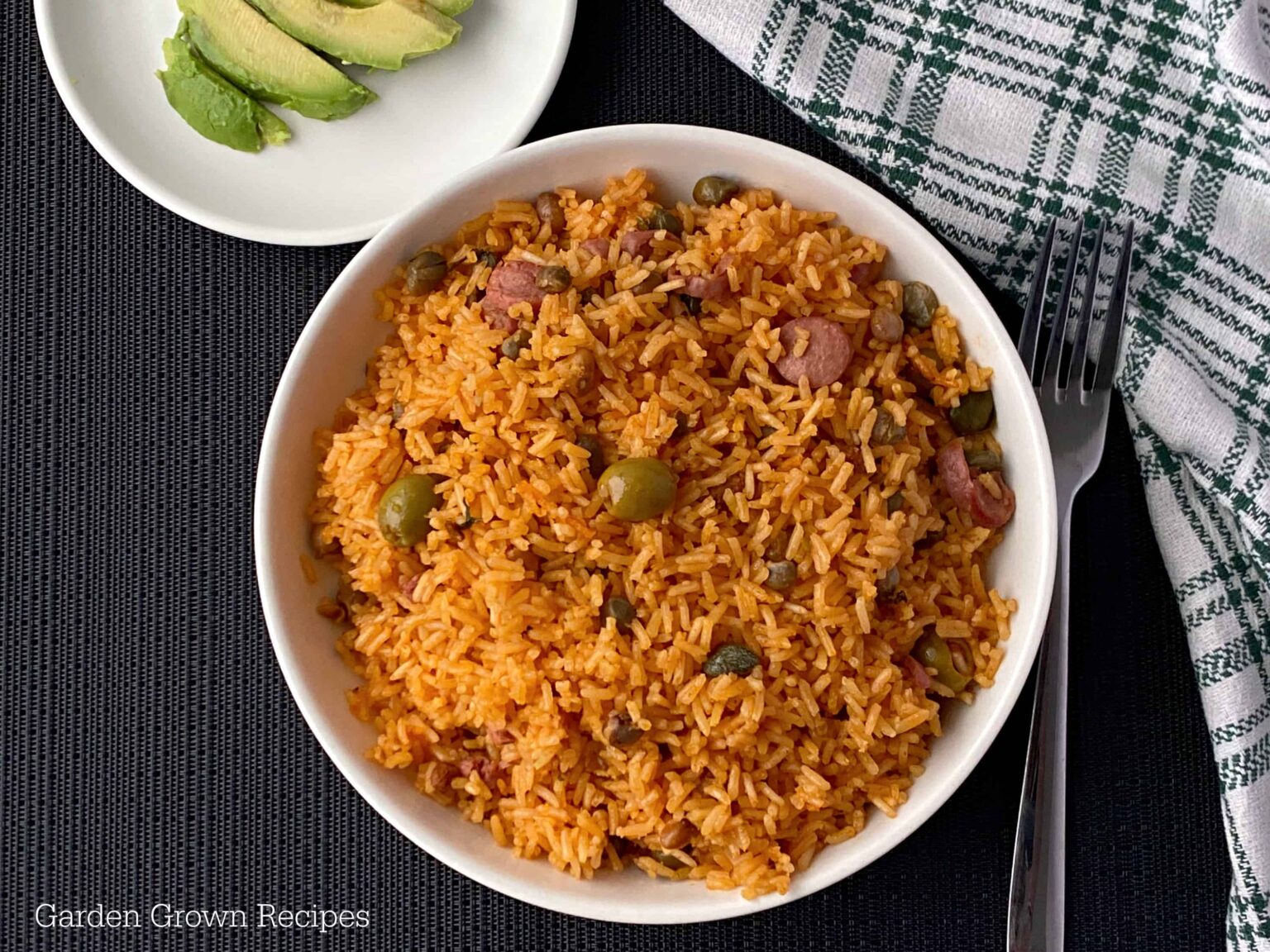
Rice con Habichuelas (Puerto Rican Rice with Beans)
A classic Puerto Rican dish featuring fragrant white rice cooked with a flavorful tomato-based sauce and tender beans. This hearty and comforting meal is a staple in Puerto Rican cuisine.
🥘Ingredients
- 2 cups white rice (long-grain)
- 4 cups water or chicken broth
- 1 tsp salt
- 1 tsp oil or butter
- 1 cup tomato sauce (or crushed tomatoes)
- 1 small onion, finely diced
- 2 cloves garlic, minced
- 1 bell pepper, diced (optional)
- 1 tsp ground cumin
- 1 tsp dried oregano
- ½ tsp black pepper
- 1 cup canned white beans (pinto or black, drained and rinsed)
- 1 cup shredded chicken (optional)
- 1 bay leaf
- 1 cup chopped cilantro (for garnish)
- Juice of ½ lime (optional)
👨🍳Directions
-
1
In a medium saucepan, sauté the diced onion, garlic, and bell pepper (if using) in oil or butter over medium heat until softened (~5 mins). -
2
Add the tomato sauce, cumin, oregano, black pepper, and bay leaf. Stir well and simmer for 5 minutes. -
3
Add the drained beans and shredded chicken (if using). Simmer for another 5 minutes. -
4
In a large pot, combine rice, water or broth, and salt. Bring to a boil, then reduce heat to low, cover, and simmer for 15 minutes. -
5
After 15 minutes, turn off the heat and let the rice sit covered for another 10 minutes. -
6
Fluff the rice gently with a fork and mix in the sauce from the saucepan. Adjust seasoning if needed.
🔧Equipment
- Large pot or rice cooker
- Medium saucepan
- Wooden spoon
- Mixing bowls
- Knife and cutting board
📊Nutrition Facts (per serving)
📝Notes
Tips
- For extra flavor, add a pinch of sugar to the tomato sauce.
- Use a rice cooker for perfectly fluffy rice.
- Substitute chicken with extra beans for a vegetarian version.
- Garnish with chopped cilantro and lime juice before serving.
Variations
- Some recipes include a touch of sofrito (blended peppers, onions, garlic, and scotch bonnet pepper).
- Add a fried egg on top for a breakfast-style dish.
Watch Video Of How Rice con Habichuelas (Puerto Rican Rice with Beans) Works
❓ Frequently Asked Questions About Rice con Habichuelas (Puerto Rican Rice with Beans)
What is the key difference between Puerto Rican rice and other types of rice dishes like Cuban or Mexican rice?
The key difference lies in the ingredients and preparation method. Puerto Rican rice (arroz con pollo or arroz con gandules) typically includes sofrito (a blend of tomatoes, onions, garlic, peppers, and cilantro), bell peppers, and often uses chicken, pork, or sausage. It’s cooked in a rich tomato-based broth and often served with beans, fried plantains, and a side of meat. Unlike Cuban arroz con pollo (which may include more spices like cumin) or Mexican arroz rojo (which uses more tomato sauce and sometimes corn), Puerto Rican rice is heartier and more flavorful due to its sofrito base and sometimes the addition of gandules (sweet peas).
—
Why does Puerto Rican rice have a slightly sweet or earthy flavor, and how does the sofrito contribute to this taste?
The sweet or earthy undertones in Puerto Rican rice come from the sofrito, which includes ingredients like tomatoes, bell peppers, and sometimes sweet plantains or gandules. The tomatoes add natural sweetness and acidity, while the peppers (like jalapeños or bell peppers) contribute a mild, slightly sweet heat. The cilantro and garlic also enhance depth, balancing the dish with savory and aromatic notes. If using gandules, the peas add a subtle sweetness, making the rice richer and more complex.
—
Can I substitute any ingredients in the traditional Puerto Rican rice recipe, and what are the best alternatives?
Yes, you can adjust ingredients for dietary preferences or availability, but some substitutions may alter the flavor. Here are common swaps:
– Chicken → Use ground turkey, shrimp, or even tofu for a vegetarian version.
– Sausage → Substitute with chorizo (Puerto Rican-style) or Italian sausage.
– Bell peppers → If unavailable, use green bell peppers or omit them (the sofrito will still be flavorful).
– Tomatoes → Use fresh or canned diced tomatoes; crushed tomatoes work well for a thicker sauce.
– Gandules (sweet peas) → Skip or replace with black beans for a heartier texture.
– Rice → Use long-grain white rice (like Basmati or jasmine) or short-grain rice for stickier texture.
– Broth → Use chicken or vegetable broth, but avoid adding extra salt if the sofrito is already salty.
—
How do I prevent the rice from becoming mushy or sticking together when cooking?
To keep Puerto Rican rice tender and separate, follow these tips:
1. Use the right rice-to-water ratio – Typically 1:1.5 (1 cup rice to 1 ½ cups water or broth). Avoid overcrowding the pot.
2. Toast the rice first – Rinse rice until water runs clear, then toast it in a dry pan for 1–2 minutes to remove excess starch.
3. Cook in batches – If your pot is too large, cook in smaller portions to avoid overcooking.
4. Use a lid (but not too tight) – Cover the pot with a lid (slightly ajar for steam) and cook on low to medium heat for 15–18 minutes. Avoid high heat, which can make rice grainy.
5. Rest the rice – Let it sit covered for 5–10 minutes after cooking to absorb moisture evenly.
6. Add broth gradually – If the rice is sticking, stir gently and add a splash of broth or water to loosen it.
7. Avoid stirring – Stirring too much breaks the grains and makes the rice mushy.
—
What are the best sides to serve with Puerto Rican rice, and how do them complement the dish?
Puerto Rican rice pairs beautifully with these classic sides, each adding texture and flavor:
– Black beans (frijoles negros) – The protein-rich beans balance the rice’s richness and add heartiness.
– Fried plantains (plátanos fritos) – Sweet and crispy, they contrast the savory rice and soak up flavors.
– Grilled or fried meat – Chicken (pollo a la parrilla), pork (carne asada), or morcilla (blood sausage) add protein and smoky depth.
– Slaw or coleslaw – A tangy, crunchy side (like ensalada de repollo) cuts through the richness.
– Pickled vegetables – Quick-pickled onions, jalapeños, or guayaba (guava) add acidity and brightness.
– Fried or grilled vegetables – Zucchini, bell peppers, or camote (sweet potatoes) for extra veggies.
– Aguacate (avocado) – Sliced avocado on top adds creaminess and healthy fats.
– Coffee or café con leche – A traditional pairing (especially with arroz con gandules) to cut through the richness.
The key is to serve sides that either complement (e.g., beans, plantains) or refresh (e.g., slaw, avocado) the dish.


