
deer backstrap recipe

The Best deer backstrap recipe
What I love most about this recipe is how adaptable it is. You can make it as simple as rubbing it with garlic, salt, and a splash of apple cider vinegar, or go all out with a deep, spiced marinade that includes smoked paprika, brown sugar, and a touch of cayenne for a little kick. It’s perfect for meal prep too—cook a big batch on Sunday and reheat it with some fresh herbs and a drizzle of olive oil for lunch the next day. And the health benefits? Well, deer meat is leaner than beef but still packed with iron, zinc, and protein, so it’s a great way to get more nutrients without the extra fat. My kids and I eat it often because it’s filling without being heavy, and it keeps us full longer than processed meats. Plus, it’s a great way to use up any leftover deer meat from hunting trips or even just a good source of protein when you’re feeling ambitious in the kitchen. It’s that kind of dish that makes you feel proud to cook, and it’s always a crowd-pleaser.
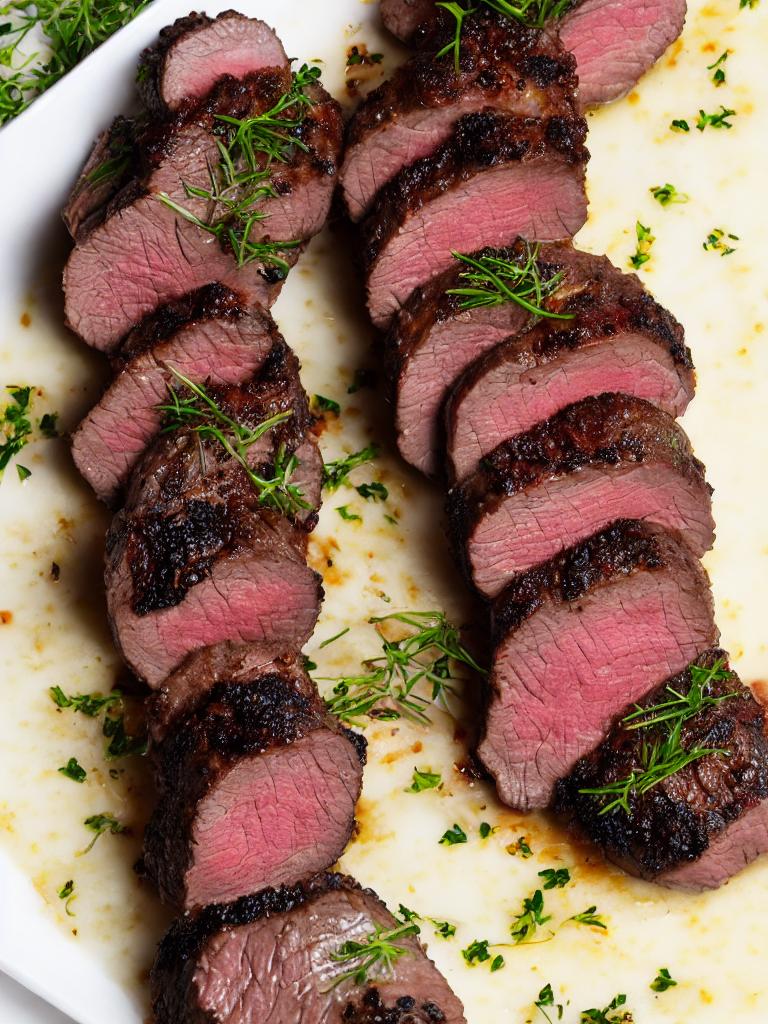
Deer Backstrap with Herb Butter Sauce
A rich, tender recipe for deer backstrap braised in a savory herb butter sauce, perfect for a hearty and flavorful meal. This recipe is a must-try for any occasion.
🥘Ingredients
- 2 lbs deer backstrap (thinly sliced)
- 2 tbsp olive oil
- 2 tbsp kosher salt
- 1 tbsp black pepper
- 2 tbsp garlic powder
- 2 tbsp onion powder
- 1 tbsp dried rosemary
- 1 tbsp dried thyme
- 1 cup unsalted butter
- 4 cloves garlic, minced
- 1 cup fresh parsley, chopped
- 1 cup fresh thyme leaves
- 1 cup fresh rosemary, chopped
- 1 cup beef or deer stock
- 1 tbsp Worcestershire sauce
- 1 tsp Dijon mustard
- Salt and pepper to taste
👨🍳Directions
-
1
Preheat oven to 325°F (165°C). In a large bowl, combine sliced deer backstrap with olive oil, salt, pepper, garlic powder, onion powder, dried rosemary, and dried thyme. Mix well to coat evenly. -
2
Transfer the deer backstrap to the oven-safe skillet or Dutch oven. Place it in the oven and cook for 1 hour, turning occasionally, until the meat is tender and cooked through. -
3
While the deer is cooking, melt butter in a saucepan over medium heat. Add minced garlic and sauté until fragrant (about 1 minute). Stir in chopped parsley, thyme, and rosemary, cooking for another 30 seconds until the herbs are fragrant. -
4
Pour the beef or deer stock into the skillet with the deer backstrap. Add Worcestershire sauce and Dijon mustard. Bring the mixture to a simmer and reduce heat to low. Cover and let it simmer for 45 minutes. -
5
Remove the skillet from the oven and let the deer backstrap rest for 10 minutes before serving. Adjust seasoning with salt and pepper if needed.
🔧Equipment
- Large oven-safe skillet or Dutch oven
- Mixing bowls
- Knife and cutting board
- Measuring cups and spoons
- Wooden spoon
- Oven
📊Nutrition Facts (per serving)
📝Notes
Tips
- Ensure the deer meat is properly thawed before cooking.
- For extra flavor, marinate the deer backstrap in the herb butter sauce mixture for at least 1 hour before cooking.
- Adjust the seasoning to taste, as deer meat can be lean and may require additional salt and pepper.
Substitutions
- Use beef stock if deer stock is unavailable.
- Replace dried herbs with fresh herbs if desired.
Watch Video Of How Deer Backstrap with Herb Butter Sauce Works
❓ Frequently Asked Questions About Deer Backstrap with Herb Butter Sauce
What is the origin of the deer backstrap recipe?
The deer backstrap recipe is a traditional method used by many Indigenous cultures across North America, particularly among the Plains tribes like the Lakota, Cheyenne, and Blackfoot. It was historically used for preserving meat and making it more tender during storage. The technique involves stretching the meat over a frame to dry it out, which enhances its flavor and texture.
Why is the deer backstrap considered a traditional preservation method?
Deer backstrap is considered a traditional preservation method because it effectively slows down bacterial growth while allowing the meat to dry naturally. The stretching process removes moisture, which makes the meat less prone to spoilage. This method was crucial for survival in cold climates where fresh meat would quickly deteriorate, making it a reliable way to store meat for extended periods without refrigeration.
How long does it take to properly dry a deer backstrap?
The drying time for a deer backstrap depends on several factors, including humidity, temperature, and the size of the meat. Generally, it takes 3 to 5 days under ideal conditions (dry, warm weather, low humidity). If the environment is humid or cool, drying may take longer—sometimes up to a week or more. Properly dried backstrap should feel leathery and firm to the touch.
What are the key steps to preparing a deer backstrap for drying?
The key steps involve:
1. Cleaning and trimming – Remove excess fat, connective tissue, and skin, leaving only the lean backstrap.
2. Cutting into strips – Slice the meat into ½-inch to 1-inch thick strips (long enough to wrap around a frame).
3. Setting up the drying frame – Use a sturdy wooden or metal frame (like a deer rack or a DIY structure) with evenly spaced supports.
4. Wrapping the meat – Secure strips around the frame with parchment paper or cheesecloth to prevent direct contact with the wood, then tie with twine or string.
5. Drying location – Place the frame in a shady, well-ventilated area (like a barn or porch) with good airflow. Avoid direct sunlight or damp conditions.
Can deer backstrap be used for cooking, or is it only for preservation?
Yes, deer backstrap can be used for both preservation and cooking! Once fully dried, it can be rehydrated and cooked like jerky or used in stews, soups, or slow-cooked dishes. The drying process enhances its flavor and tenderness, making it a versatile ingredient in traditional and modern recipes. Just ensure it’s stored properly (in a cool, dry place) to maintain freshness.


