
dirt and worms recipe

The Best dirt and worms recipe
I love this recipe because it’s versatile. We make it for casual afternoons when we’re hungry but don’t want to cook much, and it’s also great for special occasions—like when we’re hosting friends or just want to impress someone with something unexpected. It’s not fancy, but it’s filling and packed with good stuff. My husband says it’s like a little protein boost in a bite, and honestly? He’s not wrong. The kids think it’s fun to dig into, and honestly, so do I sometimes. It’s one of those recipes that feels like a little bit of whimsy without being too much trouble. Plus, it’s something you can make ahead and keep in the fridge, so it’s always ready when you need it. It’s that kind of no-nonsense, practical dish that just works for real life.
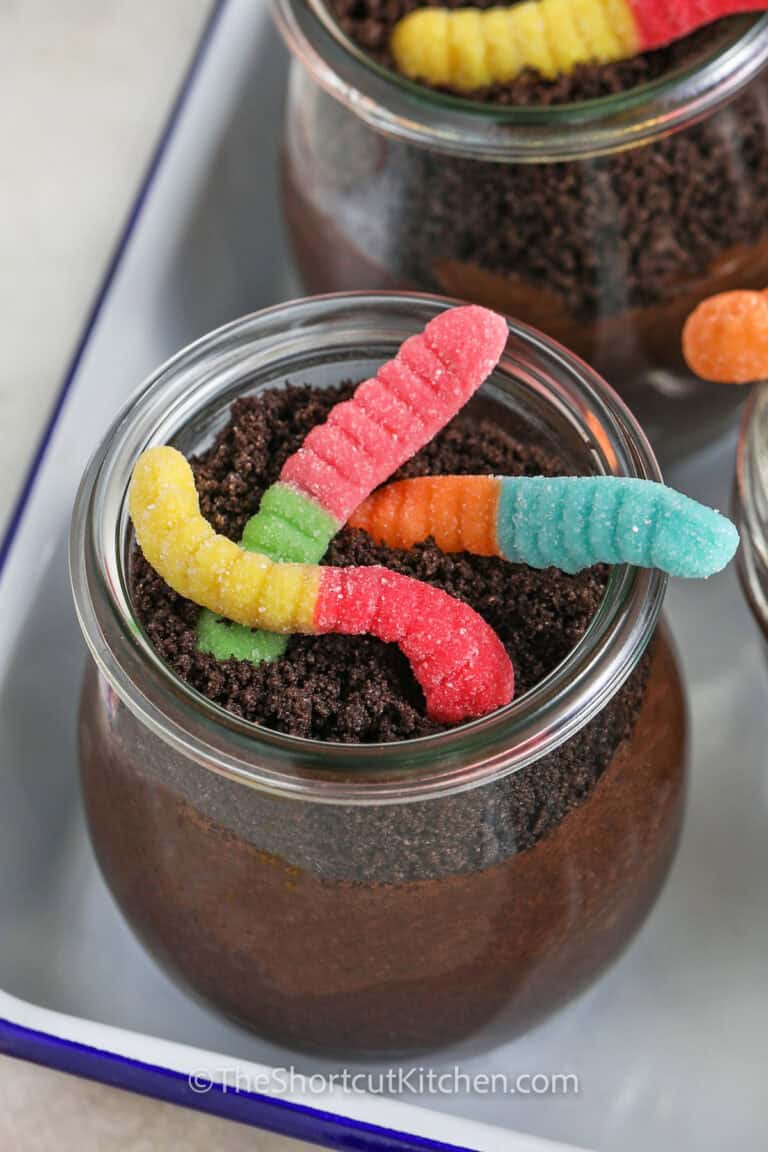
Earthy Worm & Dirt Stuffed Pasta
A playful yet nutritious pasta dish featuring a savory tomato-worm mixture baked into a dough, inspired by the earthy flavors of nature. Perfect for a unique and wholesome meal!
🥘Ingredients
- 1 cup whole wheat flour
- ½ cup all-purpose flour
- 1 tsp salt
- 1 egg
- 1 tbsp olive oil
- ½ cup cooked black beans (mashed)
- ¼ cup finely chopped spinach
- 2 cloves garlic, minced
- 1 tbsp tomato paste
- ½ tsp smoked paprika
- ¼ cup unsweetened applesauce (for moisture)
- 1 tbsp chopped fresh parsley
- 1 tbsp ground flaxseed (optional, for texture)
- ½ cup crushed tomatoes
- 1 tbsp tomato paste
- ½ tsp dried oregano
- ¼ tsp black pepper
- 1 tbsp olive oil
👨🍳Directions
-
1
Preheat oven to 375°F (190°C). In a large bowl, mix whole wheat flour, all-purpose flour, salt, and egg until a dough forms. Knead lightly, add olive oil, and roll into a smooth ball. Cover and rest for 10 minutes. -
2
In a separate bowl, combine mashed black beans, spinach, garlic, tomato paste, smoked paprika, applesauce, and parsley. Set aside. -
3
Preheat a small pot of water to boil for the pasta. Roll the dough into thin sheets (about ¼-inch thick) using a rolling pin or food processor. Cut into 2-inch squares. -
4
In a baking dish, spread a thin layer of tomato sauce. Place a square of dough on top, spoon a small amount of the worm mixture, then cover with another square of dough. Repeat until all filling is used. -
5
Bake for 20 minutes. Brush with extra olive oil, sprinkle with parsley, and return to the oven for another 10–15 minutes until golden. -
6
While baking, cook pasta al dente. Once baked, transfer stuffed pasta to a plate, top with sauce, and serve with pasta.
🔧Equipment
- Mixing bowls
- Food processor or rolling pin
- Baking sheet
- Oven
- Pasta pot
- Measuring cups/spoons
- Knife and cutting board
📊Nutrition Facts (per serving)
📝Notes
Tips
- For a vegan option, replace the egg with 1 tbsp flaxseed meal + 3 tbsp water (let sit 5 mins).
- Use cooked earthworms (if available) for a more authentic
- true
- dirt flavor—blend finely for texture.
- Add a sprinkle of nutritional yeast for a cheesy, umami boost.
- Pair with a side of roasted vegetables or a simple arugula salad.
Adjustments: {“lessFilling”:”Reduce black bean mixture by ¼ for lighter stuffed pasta.”,”moreCrunch”:”Add crushed roasted chickpeas or sunflower seeds to the dough.”}
Watch Video Of How Earthy Worm & Dirt Stuffed Pasta Works
❓ Frequently Asked Questions About Earthy Worm & Dirt Stuffed Pasta
What is the primary purpose of using dirt and worms in gardening?
The primary purpose of using dirt and worms in gardening is to improve soil health. Dirt (soil) provides essential nutrients, structure, and moisture retention for plants, while worms act as natural fertilizers by breaking down organic matter, enhancing aeration, and promoting beneficial microbial activity. Together, they create a fertile environment that supports robust plant growth.
How do I properly prepare the dirt for adding worms?
To prepare dirt for adding worms, start by ensuring the soil is well-aerated and free of large debris. Mix in compost or aged manure to enrich it with organic matter. Avoid using recently tilled or chemically treated soil, as it may harm worms. A good rule of thumb is to use a mix of garden soil, compost, and a small amount of leaf litter or shredded bark to create a welcoming environment for worms.
What types of worms are best for gardening, and how do them in the soil?
The most beneficial worms for gardening are earthworms (like the red wigglers or Eisenia fetida). These worms thrive in moist, organic-rich soil and aerate it while consuming organic debris, releasing nutrient-rich castings. To encourage them, keep the soil consistently damp (not soggy), avoid pesticides, and provide a mix of coarse and fine organic matter. Avoid overwatering or compacting the soil, as it can suffocate worms.
How often should I add dirt and worms to my garden bed?
The frequency depends on your garden’s needs, but a general guideline is to add a thin layer of compost or worm castings every 2–4 weeks during the growing season. For worms, introduce them gradually—start with a small batch (e.g., 1–2 pounds per 100 sq ft) and monitor their activity. If you’re using a worm bin (vermicomposting), transfer mature compost to your garden every few months. Overloading can stress worms, so balance is key.
Can I use store-bought worm castings directly in my garden, or should I wait to compost them further?
You can use store-bought worm castings directly in your garden, but they’re best applied after allowing them to mature for at least 4–6 weeks if possible. This ensures full decomposition and nutrient stabilization. If you’re in a hurry, mix them into the top 2–3 inches of soil to avoid burning plant roots. For best results, distribute them evenly and water lightly afterward to help them integrate into the soil.
