
dog food cake recipe

The Best dog food cake recipe
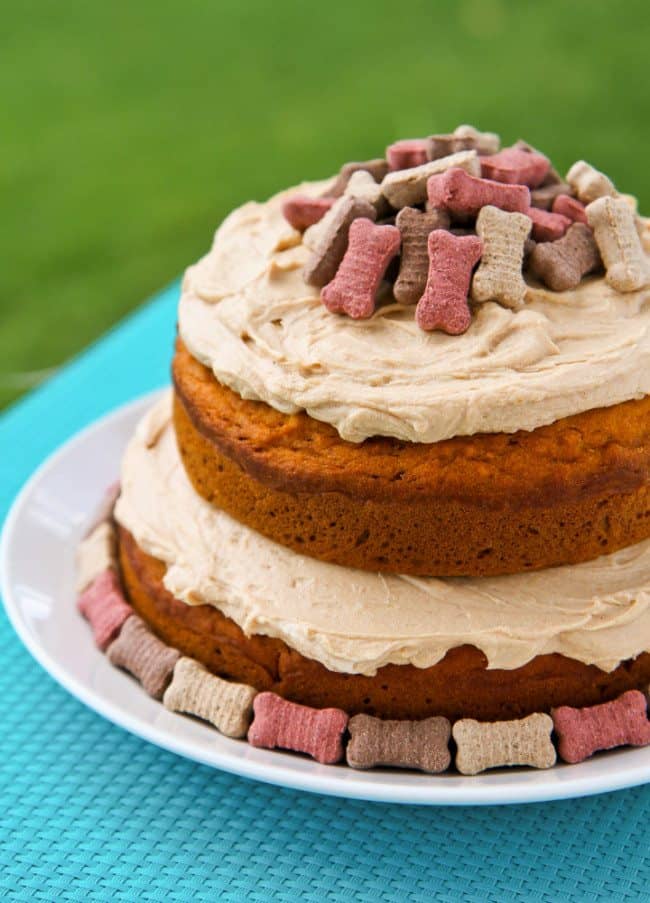
Dog Food Cake
A wholesome and nutritious homemade dog cake made with safe, dog-friendly ingredients to provide a tasty treat or light meal. This recipe is a must-try for any occasion.
🥘Ingredients
- 1 cup whole wheat flour (or oat flour)
- 1 cup cooked and mashed pumpkin (plain, no spices)
- 1 large egg (or flax egg for vegan option)
- 1/2 cup unsweetened applesauce
- 1/4 cup plain yogurt (unsweetened)
- 1/2 tsp baking powder
- 1/4 tsp salt
- 1/2 cup shredded cooked chicken breast (or plain cooked turkey)
- 1/4 cup finely chopped green beans (steamed)
- 1/4 cup finely chopped carrots (steamed)
👨🍳Directions
-
1
Preheat the oven to 350°F (175°C). Line a baking sheet with parchment paper. -
2
In a large bowl, mix the whole wheat flour, baking powder, and salt. -
3
In a separate bowl, combine the mashed pumpkin, egg, applesauce, and yogurt. Mix well. -
4
Pour the wet ingredients into the dry ingredients and stir until a dough forms. If too sticky, add a bit more flour. -
5
Roll the dough into a ball and place it on the prepared baking sheet. Flatten it into a 1-inch thick circle. -
6
For the optional topping, mix shredded chicken, green beans, and carrots in a small bowl. Sprinkle evenly over the dough. -
7
Bake in the preheated oven for 25-30 minutes, or until the cake is firm and lightly golden.
🔧Equipment
- Mixing bowls
- Measuring cups and spoons
- Whisk or fork
- Baking sheet
- Oven
- Mixing spoon
- Food processor (optional, for finely chopping veggies)
📊Nutrition Facts (per serving)
📝Notes
- Always ensure the ingredients are safe and appropriate for your dog’s diet. Avoid onions, garlic, grapes, raisins, chocolate, and xylitol.
- For extra protein, you can add a small amount of cooked lean meat (like chicken or beef) to the dough.
- Store the cake in an airtight container in the refrigerator for up to 5 days or freeze for up to 3 months.
- Cut into small, manageable pieces to serve as treats or offer as a small portion of a meal.
Watch Video Of How Dog Food Cake Works
❓ Frequently Asked Questions About Dog Food Cake
What ingredients should I use for the homemade dog food cake recipe?
For the best homemade dog food cake, use high-quality ingredients like 1 cup of cooked and mashed pumpkin (plain, no spices), 1 cup of cooked and mashed sweet potato, ½ cup of plain Greek yogurt (unsweetened), ½ cup of finely chopped cooked chicken or turkey breast (boneless and skinless), ¼ cup of unsweetened applesauce (for moisture), and 1 egg (for binding). Always ensure no seasoning, onions, garlic, or xylitol is included.
—
How do I ensure the recipe is safe for my dog?
To keep the dog food cake safe, avoid toxic ingredients like chocolate, grapes, raisins, onions, garlic, macadamia nuts, and xylitol. Stick to plain, cooked proteins (chicken, turkey, or fish), safe veggies (pumpkin, sweet potato, carrots), and avoid added salt, sugar, or artificial sweeteners. If your dog has dietary restrictions (like grain sensitivities), adjust accordingly.
—
How long can I store the homemade dog food cake?
The homemade dog food cake should be stored in an airtight container in the fridge for up to 5 days or frozen for up to 3 months. Always check for signs of spoilage (mold, off smells, or sliminess) before serving. Reheat gently in the microwave or oven if frozen.
—
Can I make the dog food cake recipe without any grains?
Yes! You can modify the recipe to be grain-free by replacing the Greek yogurt with plain coconut yogurt or unsweetened almond milk (if your dog tolerates dairy alternatives). Use a ground meat or fish base (like chicken or salmon) and ensure no fillers like oats or rice. Always test small amounts first to check for digestive sensitivities.
—
What’s the best way to serve the dog food cake to my dog?
Serve the dog food cake as a small portion (about 1–2 tbsp per 10 lbs of body weight) alongside their regular meals. Mix it into their regular food for variety or serve it as a training treat. Avoid overfeeding to prevent weight gain. If your dog has health issues (like pancreatitis), consult your vet before introducing new foods.
