
dumplings recipe korean


- The Best dumplings recipe korean
- Korean Gyeran Jjim (Korean Steamed Dumplings with Garlic Sauce)
- 🥘Ingredients
- 👨🍳Directions
- 🔧Equipment
- 📊Nutrition Facts (per serving)
- 📝Notes
- Watch Video Of How Korean Gyeran Jjim (Korean Steamed Dumplings with Garlic Sauce) Works
- ❓ Frequently Asked Questions About Korean Gyeran Jjim (Korean Steamed Dumplings with Garlic Sauce)
The Best dumplings recipe korean
What I love most about Korean dumplings is how adaptable they are. You can make them for a special occasion like a Korean New Year’s feast or a simple weeknight dinner when everyone is tired but still hungry. They’re versatile enough to be filled with ground pork, spicy shrimp, or even just a simple mix of veggies and cheese if you’re watching what you eat. My husband swears by the version with the tangy gochujang sauce—it’s like a little burst of heat that makes everything taste better. And the kids love the ones with the soft, chewy texture, which is why I always keep a stash in the freezer. They’re easy to reheat, so they’re perfect for meal prep too. Plus, there’s something comforting about knowing you’ve made something that’s not only delicious but also good for you—fiber from the wrappers, protein from the filling, and vitamins from the veggies if you add them. It’s a win-win for everyone.
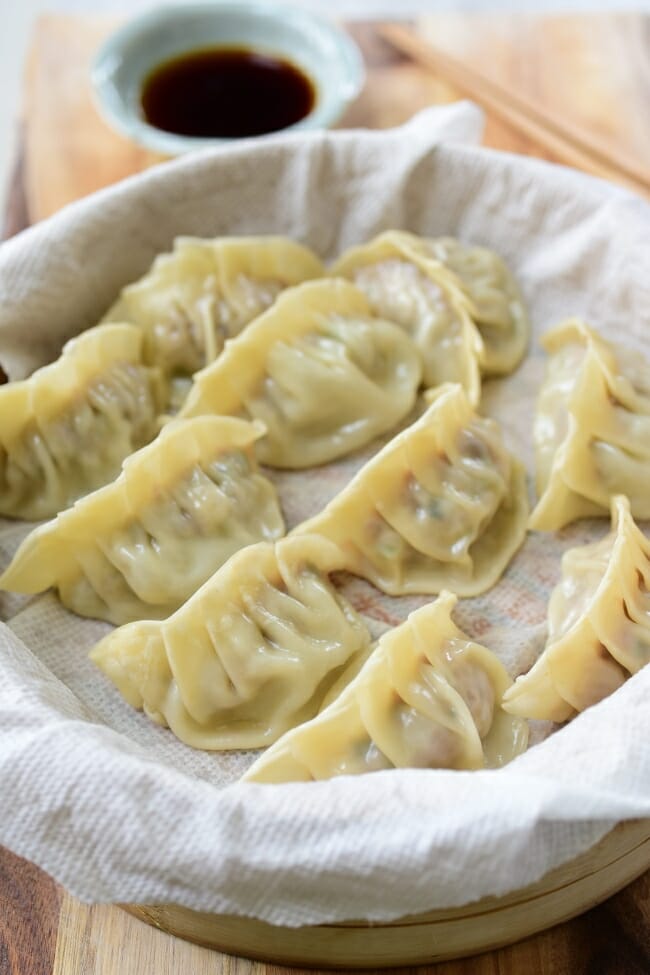
Korean Gyeran Jjim (Korean Steamed Dumplings with Garlic Sauce)
A comforting Korean dish featuring soft, steamed dumplings filled with savory pork and vegetables, served with a rich garlic sauce. Perfect for a cozy meal!
🥘Ingredients
- 2 cups all-purpose flour
- 1 tsp salt
- 1/2 cup cold water
- 1 lb ground pork
- 1 small carrot, julienned
- 1 cup spinach, chopped
- 2 green onions, chopped
- 1 tbsp soy sauce
- 1 tbsp sesame oil
- 1 tsp sugar
- 2 tbsp soy sauce
- 1 tbsp sesame oil
- 3 cloves garlic, minced
- 1 tbsp honey
- 1 tsp grated ginger
- 1/2 cup water
👨🍳Directions
-
1
Mix flour, salt, and cold water in a bowl to form a dough. Knead until smooth and elastic, then rest for 15 minutes. -
2
In another bowl, combine ground pork, carrot, spinach, green onions, soy sauce, sesame oil, and sugar. Mix well. -
3
Roll the dough into a thin sheet (about 1/8 inch thick). Cut into small circles (about 3 inches in diameter). Place 1 tbsp of filling in the center of each circle, fold the edges to seal. -
4
Tie each dumpling with kitchen twine to keep them together. Place in a steamer basket lined with parchment paper. -
5
Bring water to a boil in a saucepan, add dumplings, and steam for 15-20 minutes until cooked through. -
6
While dumplings steam, prepare the sauce by sautéing garlic, ginger, and honey in sesame oil. Add soy sauce and water, simmer for 2-3 minutes. -
7
Serve steamed dumplings with the garlic sauce on top.
🔧Equipment
- Mixing bowls
- Rolling pin
- Steamer basket
- Kitchen twine or string
- Small saucepan
- Wooden spoon
📊Nutrition Facts (per serving)
📝Notes
Tips
- Ensure the dough is not too sticky while rolling. If needed, add a little more flour.
- For extra flavor, add a pinch of black pepper or a dash of fish sauce to the filling.
- You can substitute pork with chicken or tofu for a vegetarian version.
Adjustments: {“vegetarian”:”Replace pork with mushrooms or tofu”,”gluten-free”:”Use gluten-free flour blend”}
Watch Video Of How Korean Gyeran Jjim (Korean Steamed Dumplings with Garlic Sauce) Works
❓ Frequently Asked Questions About Korean Gyeran Jjim (Korean Steamed Dumplings with Garlic Sauce)
What is the key difference between Korean mandu and Western-style dumplings?
The main differences lie in filling, wrapping, and cooking methods. Korean mandu typically uses a thin, slightly chewy wrappers filled with a savory mix of meat (pork, beef, or shrimp), vegetables (spinach, cabbage, mushrooms), and sometimes tofu, often seasoned with soy sauce, sesame oil, or garlic. Unlike Western dumplings, which are often boiled or pan-fried, Korean mandu can be steamed (mandu-jjim), boiled (mandu-bap), or pan-fried (mandu-gukbap), and sometimes served in soups like mandu-jjim. The wrappers are usually thinner and more delicate, while fillings are more diverse and flavorful.
—
How do I make the perfect mandu wrapper dough?
The ideal wrapper dough should be thin, pliable, and slightly chewy. Start by mixing 1 cup (120g) all-purpose flour with ½ cup (120ml) cold water and a pinch of salt. Gradually add water while kneading until smooth and elastic (about 5–7 minutes). Cover with a damp towel and rest for 30 minutes to relax the gluten. Divide into 12–16 pieces and roll each into a thin disc (about ½-inch thick). For extra flexibility, chill the dough for 30 minutes before use.
—
What are the best fillings for traditional Korean mandu, and how do I balance flavors?
Classic fillings include a mix of ground pork or beef, shrimp, mushrooms (shiitake or enoki), spinach, carrots, and sometimes cabbage. For a rich flavor, use soy sauce, sesame oil, garlic, ginger, and green onions. To balance flavors, season the filling lightly before wrapping—over-seasoning can make the dumplings tough. For a vegetarian version, replace meat with tofu, mushrooms, and kimchi. A common trick is to mix ½ cup of cooked rice into the filling for moisture and tenderness.
—
How do I steam mandu without them falling apart?
Steaming is key for a tender texture. First, boil a pot of water with ½ cup rice flour or cornstarch to create a light steam barrier (this prevents sogginess). Roll out your mandu wrappers thinly (about 0.2–0.3 cm thick) and place them in a steamer basket or directly on a tray. Steam over high heat for 8–10 minutes until the wrappers turn translucent and the filling is cooked through. Avoid overcrowding—use a steamer with a lid to trap steam. For extra crispiness, pan-fry the mandu briefly before steaming.
—
What’s the secret to making mandu filling taste even better?
The secret lies in layered seasoning and texture. For a deep umami flavor, mix 1 tbsp soy sauce, 1 tbsp sesame oil, 1 tsp sugar, 1 tsp minced garlic, ½ tsp black pepper, and 1 tbsp grated ginger into the meat mixture. For extra richness, add 1 tbsp butter or sesame paste before forming the dumplings. If using fresh vegetables, lightly sauté them in 1 tbsp oil with a pinch of salt to soften them before mixing. Finally, sprinkle toasted sesame seeds or a drizzle of gochujang (Korean chili paste) on top before serving for a burst of flavor.

