
easy orange marmalade recipe


The Best easy orange marmalade recipe
I love this recipe because it’s so versatile. You can spread it on bread for breakfast, drizzle it over yogurt or oatmeal, or use it as a topping for pancakes or muffins. It’s also perfect for special occasions—think brunch with friends or a simple dessert table where people can grab a spoonful and enjoy it straight from the jar. And let’s not forget the health perks: oranges are packed with vitamin C, fiber, and antioxidants, so this isn’t just a sweet treat—it’s a little boost for your body too. It’s the kind of recipe that feels like a little extra effort, but it’s worth it.
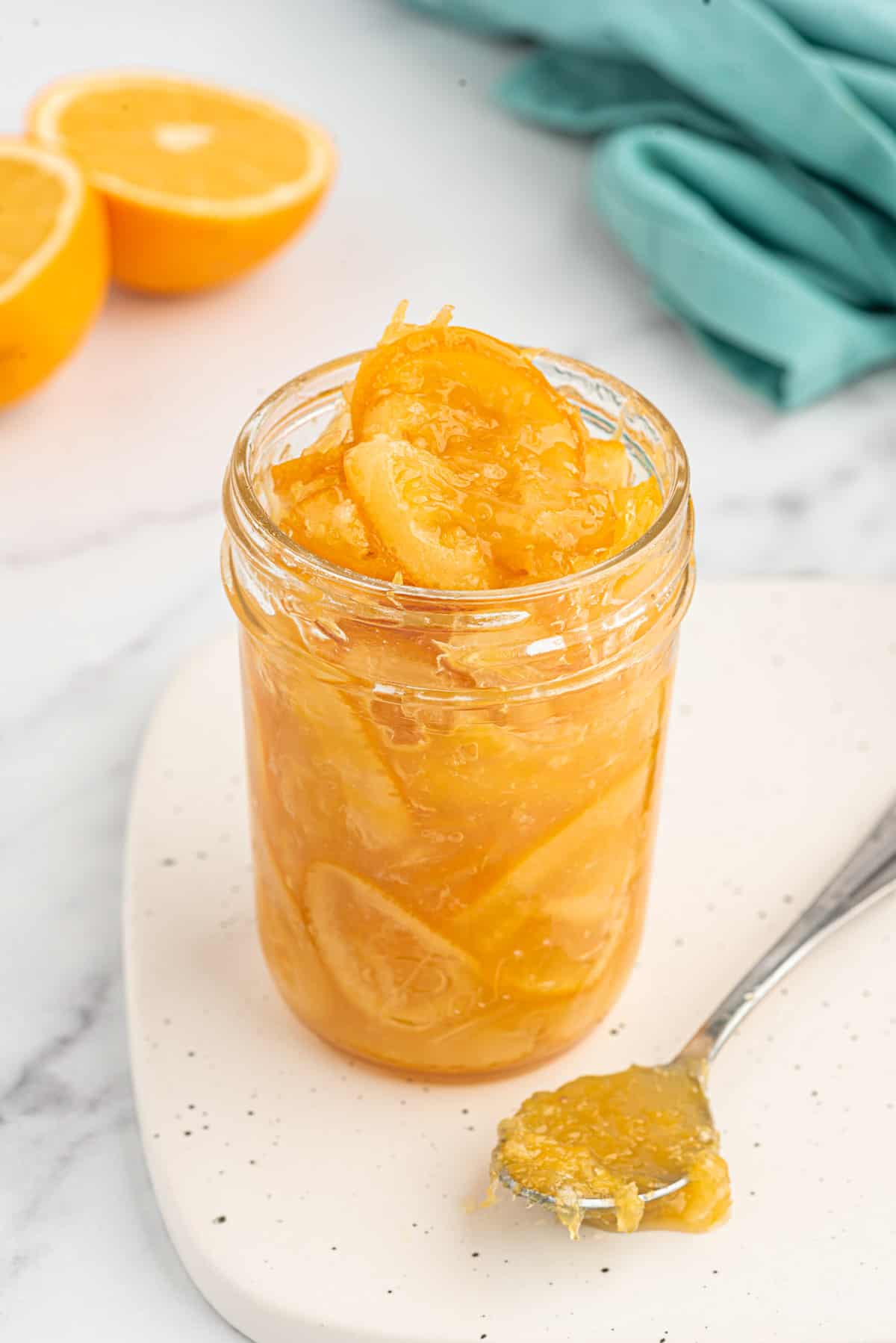
Classic Orange Marmalade
A bright, tangy marmalade perfect for toast, cheese boards, or drizzling over yogurt. This recipe yields a thick, flavorful spread with no added sugar.
🥘Ingredients
- 8 large navel oranges (peeled, seeded, and sliced into wedges)
- 1 cup water
- 4 cups granulated sugar
- 1 tsp lemon juice
👨🍳Directions
-
1
Place sliced oranges and water in a stockpot. Bring to a boil over medium-high heat. -
2
Reduce heat to low, cover, and simmer for 30 minutes until oranges soften. -
3
Strain the liquid through a fine-mesh sieve into a clean pot, discarding seeds and pulp. -
4
Return the strained liquid to the pot and add sugar. Stir until fully dissolved. -
5
Bring to a full rolling boil, then reduce heat to a gentle simmer. Cook uncovered for 45–60 minutes, stirring often, until the mixture thickens enough to coat the back of a spoon. -
6
Add lemon juice and simmer for another 5 minutes. Test consistency by dropping a spoonful onto a chilled plate—it should hold its shape. -
7
Pour marmalade into sterilized jars, leaving ¼ inch headspace. Seal immediately and store in a cool, dark place.
🔧Equipment
- Large stockpot
- Fine-mesh strainer
- Clean jars and lids
- Baking sheet
📊Nutrition Facts (per serving)
📝Notes
Watch Video Of How Classic Orange Marmalade Works
❓ Frequently Asked Questions About Orange Marmalade
How do I adjust the sweetness if my fruit isn’t quite ripe?
Yes, you can adjust sweetness by adding a little more sugar—start with an extra ½ cup and taste as you go. If the fruit is very tart, let it sit in the pan for a few minutes before adding the sugar to soften its flavor. For a less sweet marmalade, reduce the sugar by ¼ cup.
Can I use a different citrus fruit instead of oranges?
While oranges are classic, you can experiment with lemons or limes, but the flavor will differ. Lemons will make a sharper, tangier marmalade, while limes add a bright, citrusy zest. Adjust the sugar slightly based on the fruit’s natural sweetness.
What if I don’t have a citrus peeler?
Skip the peeler—just cut the fruit into wedges or slices and use the peel as-is. The zest will still add flavor, though it may be slightly thicker. For a smoother texture, finely grate the peel with a microplane if available.
How should I store the marmalade to keep it fresh?
Store in a clean, airtight jar at room temperature for up to 2 weeks. For longer storage, refrigerate for up to 3 months or freeze in portions for up to 6 months. Always let it sit at room temperature for 10–15 minutes before serving to avoid condensation.
Why does my marmalade turn grainy or chunky?
Graininess often happens when the fruit isn’t fully softened in the pan. Stir often and cook until the fruit breaks down into a smooth, jelly-like consistency. If chunks remain, blend briefly with an immersion blender before storing.
