
filipino ube dessert recipe

The Best filipino ube dessert recipe
I’ve made it for holidays and everyday treats, and honestly, it’s a staple in my kitchen. It’s easy to make, but the real magic is in how it brings people together—whether you’re serving it at a potluck or enjoying a quiet afternoon with a cup of coffee. Plus, ube isn’t just delicious; it’s also packed with antioxidants and vitamins, making it a healthier treat than many other sweets. My family loves how it’s versatile—you can eat it straight from the bowl, mix it into ice cream, or even use it in baked goods. It’s that kind of dessert that feels special but isn’t too complicated.
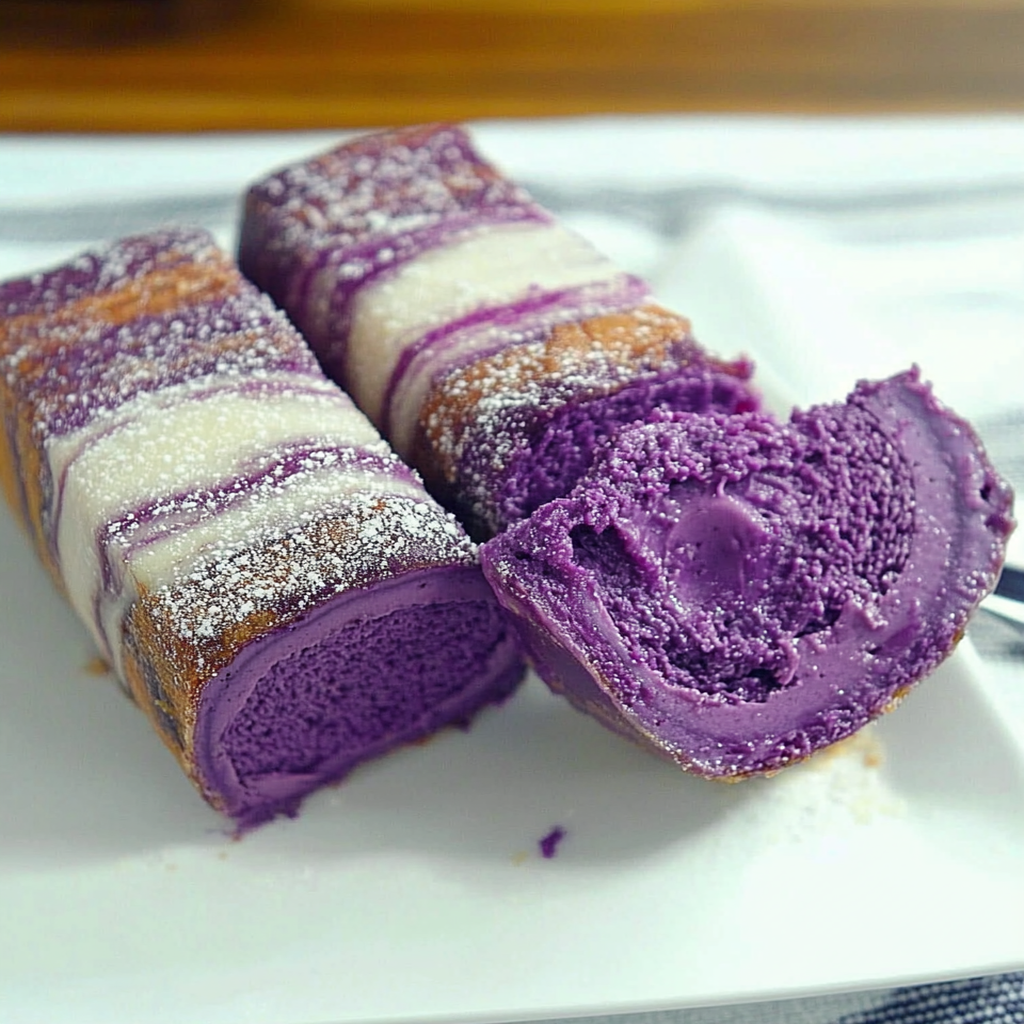
Classic Filipino Ube Halaya with Pandesal
A creamy, vibrant dessert made with purple yam paste (ube halaya) served warm with soft pandesal bread. Perfect for Filipino gatherings or a comforting treat.
🥘Ingredients
- 2 cups ube halaya (purple yam paste)
- 1 cup coconut milk
- 1 tsp vanilla extract
- Pinch of salt
- 12 pandesal rolls (or soft white bread)
- 1/2 cup butter, softened
- Powdered sugar (for dusting)
👨🍳Directions
-
1
In a saucepan, combine ube halaya and coconut milk. Bring to a gentle simmer over medium heat. -
2
Whisk in vanilla extract and salt. Simmer uncovered for 15–20 minutes, stirring occasionally, until thickened and glossy. Remove from heat. -
3
Cut pandesal into halves or quarters. Brush lightly with softened butter, then dust with powdered sugar. -
4
Serve warm ube halaya in bowls, topped with buttered pandesal pieces.
🔧Equipment
- Medium saucepan
- Whisk
- Mixing bowls
- Plate
📊Nutrition Facts (per serving)
📝Notes
- For extra richness, stir in 1 tbsp coconut cream at the end of simmering.
- Store leftovers in an airtight container for up to 3 days. Reheat gently before serving.
Watch Video Of How Classic Filipino Ube Halaya with Pandesal Works
❓ Frequently Asked Questions About Filipino Ube Halaya with Pandesal
1. What is the difference between ube halaya and ube ice cream?
Ube halaya is a thick, caramel-like spread made from cooked ube purée, sugar, and sometimes coconut milk, while ube ice cream incorporates ube flavor into a creamy frozen dessert. Halaya is typically served as a filling or topping, whereas ice cream is eaten on its own or with other desserts.
2. Can I substitute regular yellow sweet potato for ube in this recipe?
No, ube is a unique purple sweet potato with a distinct flavor and texture. Using regular yellow sweet potatoes will result in a different taste and color—ube’s earthy sweetness and deep purple hue are essential to this dish.
3. How do I know when the ube is fully cooked and soft enough for blending?
The ube should be soft enough to mash easily with a fork when fully cooked. If it’s still firm, continue cooking for another 5–7 minutes until it reaches a mushy consistency. Overcooking can make it grainy, so check frequently.
4. Can I make this dessert ahead of time?
Yes, ube halaya can be made a day ahead and stored in an airtight container in the fridge for up to three days. For best texture, let it sit at room temperature for 15–20 minutes before serving.
