
flaky pie crust recipe

The Best flaky pie crust recipe
I love this recipe because it’s versatile enough to work for every occasion—whether you’re hosting a dinner party with friends or just feeding the family after a long day. My husband swears by it for his holiday pies, and my kids will eat it straight from the pan if I let them, which is always a win. The health benefits are kind of a bonus too, even though it’s still indulgent. The crust is made with whole wheat flour and a touch of honey or sugar, so it’s not just rich and flaky—it’s also a little lighter than traditional recipes. My husband says it’s the only pie crust he’ll ever use because it’s just so satisfying, and honestly, I agree. It’s the kind of recipe that feels like a little love in every bite, and that’s what makes it worth the effort. Plus, there’s something comforting about knowing that no matter how many times you make it, the crust will always rise to the occasion.
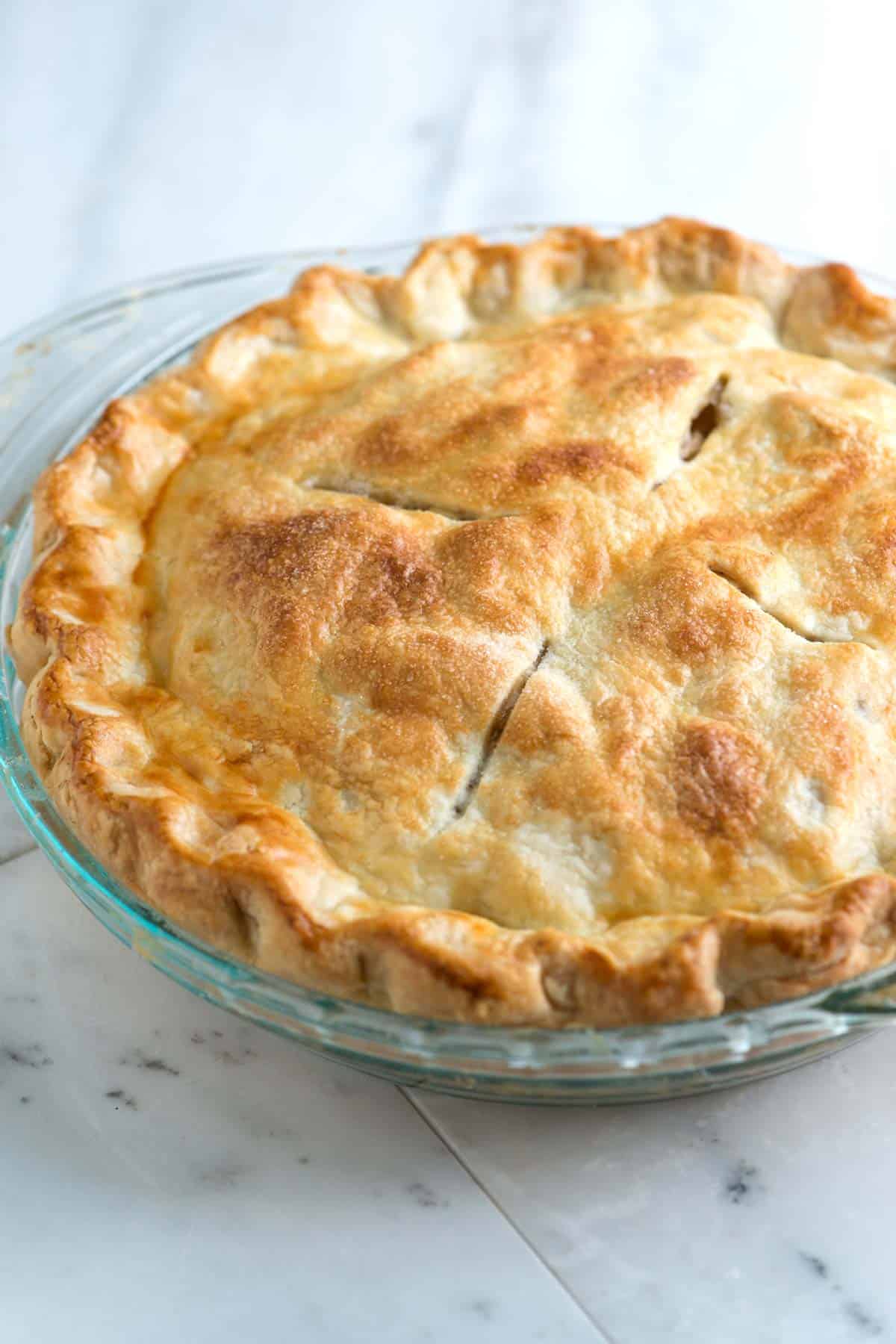
Classic Flaky Pie Crust Recipe
A buttery, flaky pie crust perfect for any dessert or savory pie, offering a crisp and tender texture. This recipe is a must-try for any occasion.
🥘Ingredients
- 2 1/2 cups all-purpose flour
- 1 tsp salt
- 1 tbsp granulated sugar
- 1 tbsp cold unsalted butter, cubed
- 1 large egg yolk
- 1 tbsp ice water
- 1 tsp dried thyme or rosemary (for savory pies)
- 1/2 tsp ground cinnamon (for sweet pies)
👨🍳Directions
-
1
Preheat oven to 425°F (220°C). Line a baking sheet with parchment paper. -
2
In a large bowl, combine flour, salt, and sugar. Cut in the cold butter with a pastry cutter or your fingers until the mixture resembles coarse crumbs with some pea-sized butter pieces. -
3
Add the egg yolk and ice water, mixing just until the dough comes together. Do not overmix. -
4
Divide the dough into two equal pieces. Wrap each piece in plastic wrap and chill in the refrigerator for at least 1 hour. -
5
Preheat oven to 425°F (220°C). Roll out one dough piece on a lightly floured surface into a 12-inch circle. Transfer to a pie dish, pressing edges gently to fit. Trim excess dough. -
6
Brush the bottom crust with a little water and fold the second dough piece over the top crust, sealing edges. Trim and crimp the edges with your fingers or a fork. -
7
Cut 4-5 slits in the top crust to allow steam to escape. Bake for 15 minutes. Reduce heat to 375°F (190°C) and bake for another 10-15 minutes until golden brown.
🔧Equipment
- Mixing bowl
- Rolling pin
- Pie dish (9-inch)
- Pastry brush
- Oven
📊Nutrition Facts (per serving)
📝Notes
- Add herbs or spices as directed for flavor variations.
Watch Video Of How Classic Flaky Pie Crust Recipe Works
❓ Frequently Asked Questions About Flaky Pie Crust
Why does my pie crust turn out flaky if I use cold butter?
Cold butter is essential for creating flaky layers in pie crust because it creates pockets of steam when melted, causing the dough to expand and separate. However, if the butter is too cold or too hard (e.g., frozen butter chunks), it can make the dough difficult to handle and may prevent proper folding. Use butter that is just soft enough to be pliable but not warm—about 65°F (18°C) is ideal.
What’s the best way to handle the butter to ensure a flaky crust?
To maximize flakiness, cut cold butter into small, pea-sized pieces rather than large chunks. This ensures even distribution and prevents the butter from melting too quickly. When folding the butter into the dough, do so gently but firmly in short, quick strokes—this creates the necessary layers without overworking the dough. Avoid pressing or patting the dough too much, as this can compact the butter and reduce flakiness.
Why does my pie crust crack or tear when rolling it out?
Cracks or tears in pie crust often happen due to uneven rolling, overworking the dough, or temperature mismatches. To prevent this, ensure your work surface is cold and floured well. Roll the dough evenly in one direction, pressing gently but consistently. If the crust tears, trim the excess carefully and re-roll the remaining dough. Also, avoid using a rolling pin that’s too heavy, as it can cause uneven stretching. For a thicker crust, roll it slightly thicker before trimming.
How can I fix a pie crust that’s too tough or dense?
A tough or dense crust can occur if the butter melted too quickly, the dough was overworked, or the flour wasn’t properly mixed. To fix it, try these steps:
– Refresh the dough: Cut it into small pieces and let it sit in the fridge for 10–15 minutes to re-soften slightly.
– Add a little moisture: Mix in 1–2 tbsp of cold water or milk to help bind the dough.
– Re-roll and trim: Roll out a new piece of dough and use the old one for a filling or topping.
– Pre-bake the crust: If possible, blind-bake a slightly underbaked crust to help it crisp up and reduce toughness.
What’s the secret to achieving a golden-brown crust?
A golden-brown crust comes from proper baking technique:
1. Preheat oven to 425°F (220°C) and use a pie dish that fits snugly to prevent over-browning edges.
2. Pre-bake the crust (blind-bake) by lining it with parchment and filling with pie weights or dried beans. Bake for 15 minutes, then remove weights and bake 5–10 more minutes until golden.
3. Brush with egg wash before baking for extra shine and browning.
4. Bake until fully set—check with a toothpick to ensure no moisture remains inside.
5. Cool completely before adding fillings to prevent a soggy crust.
