
flounder healthy recipe

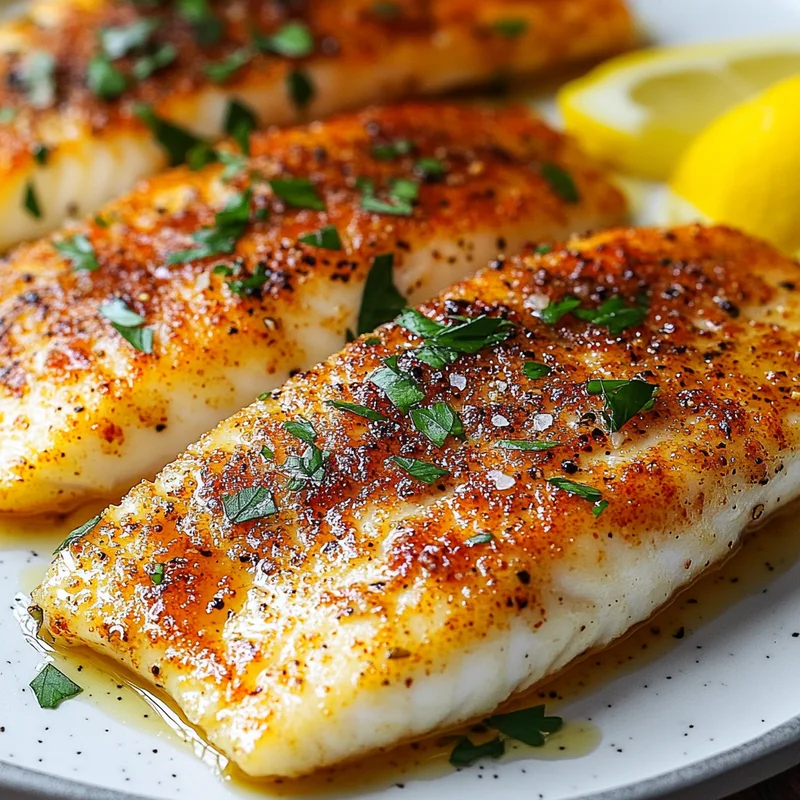
- The Best flounder healthy recipe
- Baked Lemon Garlic Flounder with Quinoa & Asparagus
- 🥘Ingredients
- 👨🍳Directions
- 🔧Equipment
- 📊Nutrition Facts (per serving)
- 📝Notes
- Watch Video Of How Baked Lemon Garlic Flounder with Quinoa & Asparagus Works
- ❓ Frequently Asked Questions About Baked Lemon Garlic Flounder with Quinoa & Asparagus
The Best flounder healthy recipe
What I love most about this recipe is how balanced it is. Flounder is low in calories but packed with protein and omega-3s, which are great for heart health and keeping energy levels steady. I usually serve it with roasted asparagus or a simple quinoa salad, so the whole meal feels satisfying without being heavy. It’s also one of those dishes that feels special enough for company but easy enough for a Tuesday night. The best part? Leftovers (if there are any) reheat beautifully, so I’ll often make extra for lunches the next day. If you’re looking for a healthy, no-fuss fish recipe that the whole family will actually eat, this is the one to try.
Baked Lemon Garlic Flounder with Quinoa & Asparagus
A light and nutritious flounder recipe featuring zesty lemon, aromatic garlic, and tender asparagus. Paired with protein-rich quinoa, this dish is perfect for a healthy weeknight dinner.
🥘Ingredients
- 4 flounder fillets (6 oz each)
- 2 tbsp olive oil
- 3 cloves garlic, minced
- 1 lemon (zested and juiced)
- 1 tsp dried oregano
- ½ tsp salt
- ¼ tsp black pepper
- 2 tbsp fresh parsley, chopped
- 1 cup quinoa, rinsed
- 2 cups low-sodium vegetable broth
- 1 tbsp olive oil
- ½ tsp salt
- 1 lb asparagus, trimmed
- 1 tbsp olive oil
- ¼ tsp salt
- ¼ tsp black pepper
👨🍳Directions
-
1
Preheat the oven to 400°F (200°C) and line a baking sheet with parchment paper. -
2
In a small bowl, whisk together olive oil, minced garlic, lemon zest, lemon juice, oregano, salt, and black pepper. Set aside. -
3
Place flounder fillets on the prepared baking sheet. Brush the lemon-garlic mixture evenly over the fillets and let marinate for 5 minutes. -
4
In a saucepan, bring vegetable broth to a boil. Add quinoa and salt, reduce heat to low, cover, and simmer for 15 minutes or until liquid is absorbed. Remove from heat and let sit covered for 5 minutes. Fluff with a fork and stir in olive oil. -
5
Toss asparagus with olive oil, salt, and pepper. Arrange on the baking sheet alongside the flounder. -
6
Bake for 12-15 minutes or until the flounder flakes easily with a fork and the asparagus is tender. -
7
Garnish flounder with fresh parsley and serve with quinoa and asparagus.
🔧Equipment
- Mixing bowl
- Baking sheet
- Saucepan with lid
- Chef’s knife
- Cutting board
- Measuring cups and spoons
📊Nutrition Facts (per serving)
📝Notes
Watch Video Of How Baked Lemon Garlic Flounder with Quinoa & Asparagus Works
❓ Frequently Asked Questions About Baked Lemon Garlic Flounder with Quinoa & Asparagus
1. Is flounder a healthy fish to include in my diet?
Yes, flounder is a highly nutritious fish that’s low in calories and fat but rich in high-quality protein, omega-3 fatty acids, and essential vitamins and minerals like vitamin B12, selenium, and phosphorus. It’s an excellent choice for heart health, brain function, and maintaining a balanced diet.
2. What are the best cooking methods for a healthy flounder recipe?
For a healthy flounder recipe, opt for light cooking methods like baking, grilling, steaming, or poaching. These methods preserve the fish’s nutrients without adding excess fats or oils. Avoid deep-frying, as it can increase calorie and unhealthy fat content.
3. Can I use frozen flounder for this recipe, or is fresh better?
Both fresh and frozen flounder work well in healthy recipes. If using frozen, thaw it properly in the refrigerator overnight to maintain texture and flavor. Fresh flounder may have a slightly better taste and texture, but frozen is a convenient and equally nutritious alternative.
4. What are some healthy side dishes to pair with flounder?
Great healthy pairings include steamed or roasted vegetables (like asparagus, broccoli, or zucchini), quinoa, brown rice, or a fresh salad with a light vinaigrette. These sides add fiber, vitamins, and balance to your meal without overpowering the flounder’s delicate flavor.
5. How can I tell if flounder is cooked properly?
Flounder is done when its flesh turns opaque and flakes easily with a fork. The internal temperature should reach 145°F (63°C). Overcooking can make it dry, so keep an eye on it—most recipes take just 10-15 minutes depending on the cooking method.


