
fresh mayonnaise recipe

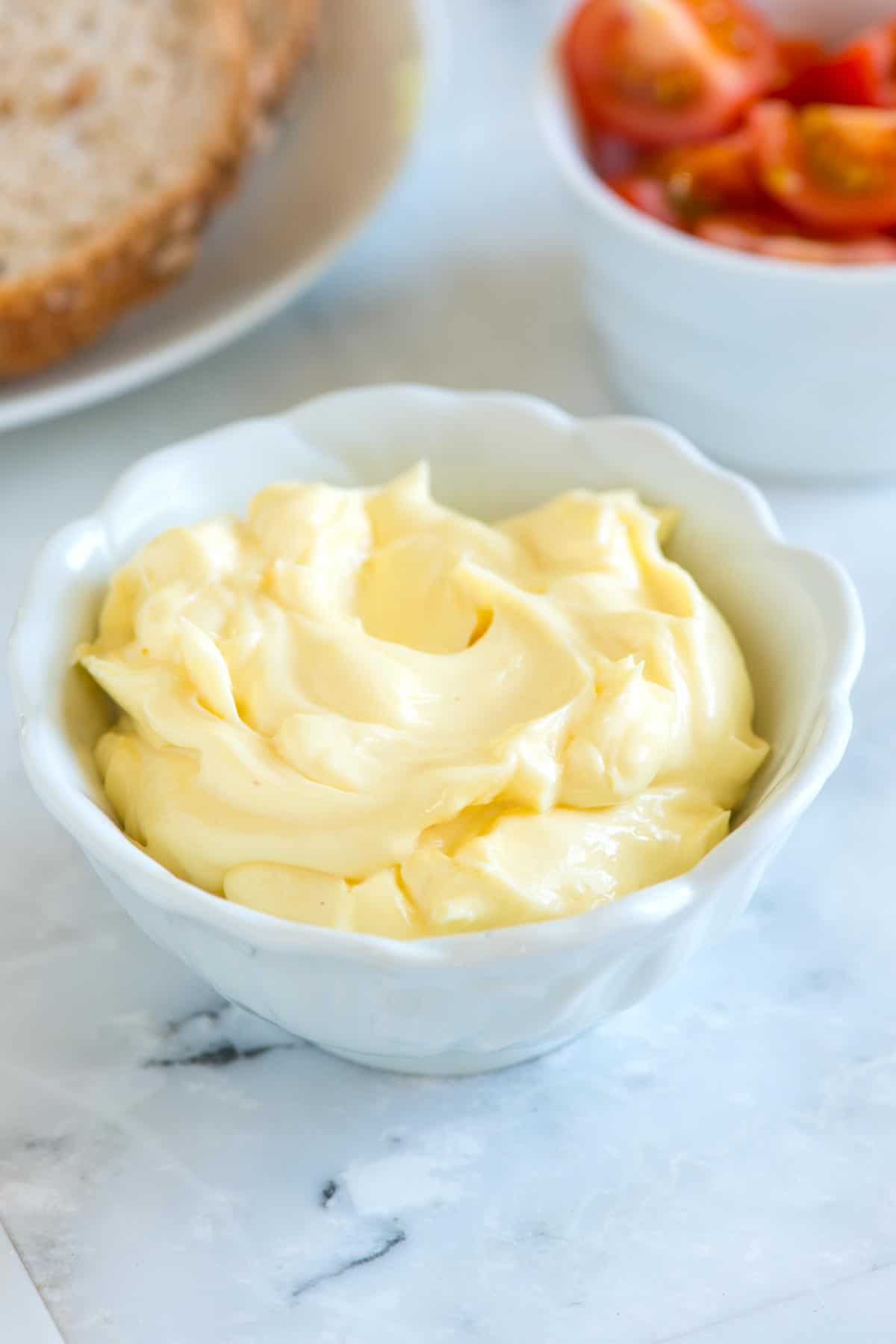
The Best fresh mayonnaise recipe
What I love most about making mayonnaise from scratch is knowing exactly what’s in it. No preservatives, no weird additives—just real eggs, good oil, a little mustard, and lemon juice. It’s lighter than the jarred stuff, and you can adjust the flavor to your liking, whether you prefer it a little sharper with extra vinegar or smoother with more oil. Plus, it’s packed with healthy fats from the eggs and oil, which keep you full and satisfied. This recipe has become a staple in our house because it’s versatile, quick, and always tastes better than anything you can buy.
Classic Homemade Mayonnaise
A rich and creamy homemade mayonnaise that’s far superior to store-bought versions. This easy recipe requires just a few ingredients and comes together in minutes for a silky, flavorful condiment perfect for sandwiches, dips, or dressings.
🥘Ingredients
- 1 large egg yolk (room temperature)
- 1 whole egg (room temperature)
- 1 tbsp Dijon mustard
- 1 tbsp lemon juice or white vinegar
- 1 cup neutral oil (like avocado, grapeseed, or light olive oil)
- ½ tsp salt
- ½ tsp white pepper (optional)
- 1 tsp garlic powder (for aioli)
- 1 tbsp chopped fresh herbs (tarragon, chives, or dill)
- ½ tsp smoked paprika
👨🍳Directions
-
1
In a medium bowl, whisk together the egg yolk, whole egg, Dijon mustard, lemon juice, salt, and white pepper (if using) until well combined and slightly thickened. -
2
While whisking constantly (or blending with an immersion blender), very slowly drizzle in the oil—start with just a few drops at a time. This step is crucial for emulsifying the mixture. -
3
Once about half the oil is incorporated and the mixture begins to thicken, you can gradually increase the oil flow to a thin stream while continuing to whisk or blend. -
4
Once all the oil is added and the mayonnaise is thick and creamy, taste and adjust seasoning with more salt, lemon juice, or mustard if needed. -
5
Transfer the mayonnaise to a jar or airtight container and refrigerate for up to 1 week. Stir before using if separation occurs.
🔧Equipment
- Medium mixing bowl
- Whisk or immersion blender
- Measuring spoons
- Small jar or squeeze bottle (for storage)
📊Nutrition Facts (per serving)
📝Notes
Watch Video Of How Classic Homemade Mayonnaise Works
❓ Frequently Asked Questions About Mayonnaise
1. Can I make fresh mayonnaise without a whisk or mixer?
Yes, you can make fresh mayonnaise by hand using a whisk, but it requires patience and consistent whisking to emulsify the oil into the egg yolks. A fork or a sturdy spoon can work in a pinch, though it may take longer. For best results, use a bowl with a non-slip base to prevent spills.
2. Why did my homemade mayonnaise turn out runny or separate?
Mayonnaise can become runny or separate if the oil is added too quickly or if the mixture isn’t whisked vigorously enough. To fix it, start with a new egg yolk in a clean bowl and slowly whisk in the separated mayonnaise as if it were oil. Alternatively, a splash of hot water can help re-emulsify the mixture.
3. How long does fresh mayonnaise last in the refrigerator?
Fresh homemade mayonnaise typically lasts 3 to 5 days in the refrigerator when stored in an airtight container. Since it contains raw eggs, it’s important to keep it chilled and discard it if it develops an off smell or texture. For longer shelf life, consider using pasteurized eggs.
4. Can I use a different type of oil for mayonnaise?
Yes, but the flavor and texture will vary. Neutral oils like canola, vegetable, or light olive oil work best for a classic taste. Extra-virgin olive oil can be used but may impart a stronger, bitter flavor. Avoid unrefined or nut oils (like walnut or sesame) unless you want a distinct taste.
5. Is it safe to eat raw egg mayonnaise?
Homemade mayonnaise made with raw eggs carries a slight risk of salmonella. To minimize risk, use the freshest eggs possible, preferably pasteurized. If you’re serving it to young children, elderly individuals, or those with weakened immune systems, consider using a pasteurized egg product or a cooked egg base (like in some European-style mayo recipes).

