
trifle dish recipe

The Best trifle dish recipe
The best part? It’s not just a treat for the palate—it’s also a little bit of a health boost. The fruit adds natural sweetness and fiber, while the light cake layers keep things balanced. You don’t have to worry about heavy, sugary desserts here, either. It’s the kind of dish that lets you enjoy the flavors without feeling guilty, and it’s easy to customize with whatever fruit you have on hand. Plus, it’s perfect for meal prep because you can assemble it ahead of time and let the flavors meld together overnight. It’s that kind of dish that feels like a little celebration every time you serve it.
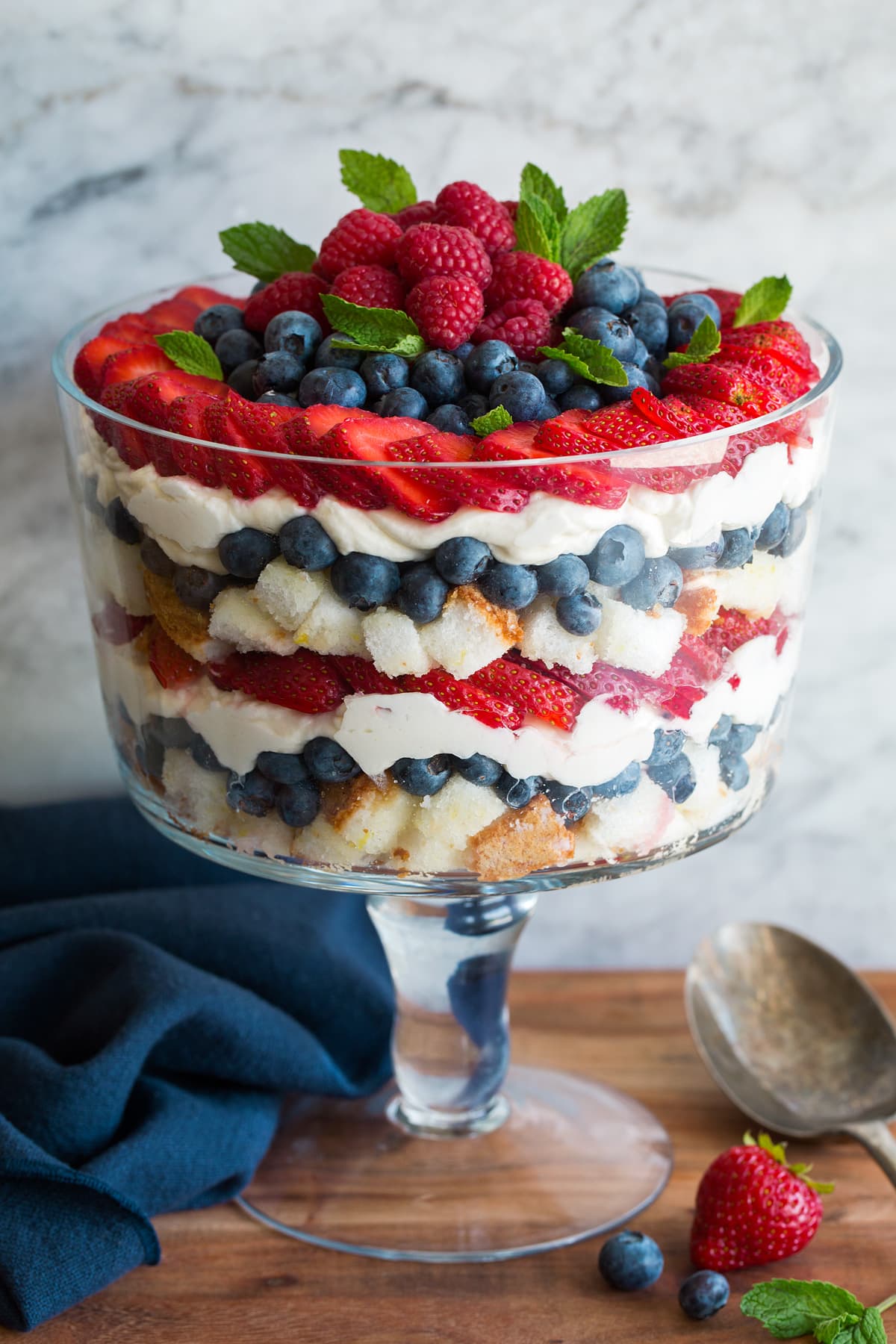
Classic Layered Vanilla Trifle
A refreshing, crowd-pleasing trifle with layers of light sponge cake, creamy custard, and fresh fruit. Perfect for potlucks or a cozy dessert after dinner.
🥘Ingredients
- 1 ½ cups all-purpose flour
- 2 large eggs, room temperature
- 1 tablespoon granulated sugar
- 1 teaspoon vanilla extract
- 1 tablespoon unsalted butter, melted
- 2 cups whole milk
- ½ cup granulated sugar
- 4 egg yolks
- 1 teaspoon vanilla extract
- 1 pinch salt
- 1 cup mixed berries (strawberries, blueberries, raspberries)
- ½ cup fresh or canned sliced peaches
- 1 tablespoon honey or maple syrup
- 2 cups heavy whipping cream, chilled
- 1 tablespoon powdered sugar
- ½ teaspoon vanilla extract
👨🍳Directions
-
1
Preheat oven to 350°F. Grease an 8-inch round baking dish and line the bottom with parchment paper. -
2
In a large bowl, whisk together flour, sugar, and salt. Add eggs one at a time, whisking well after each. Stir in melted butter and vanilla until smooth. -
3
Pour batter evenly into the prepared dish and bake for 20–25 minutes, or until a toothpick inserted comes out clean. Let cool completely. -
4
While the cake bakes, heat milk in a saucepan over medium heat until steaming. Remove from heat, stir in sugar, egg yolks, vanilla, and salt. Cook, stirring constantly, until thickened (about 5 minutes). Cool slightly before pouring over the cake. -
5
Prepare the fruit layer by tossing berries and peaches with honey. Spread half the fruit over the cake in the dish. -
6
Pour the cooled custard evenly over the fruit. Repeat with the remaining fruit layer. -
7
Chill trifle in the refrigerator for at least 4 hours or overnight. Just before serving, whip the cream with powdered sugar and vanilla until soft peaks form. Spoon over the trifle.
🔧Equipment
- Mixing bowls
- Whisk
- Stand mixer or hand mixer
- Parchment paper
- 8-inch round baking dish
📊Nutrition Facts (per serving)
📝Notes
Watch Video Of How Classic Layered Vanilla Trifle Works
❓ Frequently Asked Questions About Layered Vanilla Trifle
What’s the best way to layer trifle for even distribution?
Use a deep, rectangular baking dish or trifle bowl to ensure each layer sits flat. Pour each ingredient—sponge cake, custard, whipped cream, and berries—generously but evenly, pressing lightly into the bottom of the dish with a spatula. Avoid overcrowding to prevent spillage.
Can I substitute store-bought custard for homemade?
Yes, but for the most authentic texture, use a high-quality vanilla custard or custard powder mixed with warm milk. Avoid pre-made puddings—they can be too thick or overly sweet. If using a powder, follow the package instructions for a light, fluffy consistency.
How long should trifle sit before serving?
Let trifle chill in the fridge for at least 2 hours (or overnight) so flavors meld and layers firm up. If serving immediately, press a plate directly into the dish to avoid disturbing the layers.
What if I don’t have fresh berries?
Strawberries, raspberries, or even canned mixed berries work well. For a lighter texture, drain excess juice before adding. If using frozen berries, thaw them first and pat dry to avoid sogginess.
Can I make trifle ahead of time, and how do I reheat it?
Yes, trifle is best made 1–2 days ahead. Store in an airtight container. To reheat, transfer to a microwave-safe dish and warm in 30-second intervals, stirring between each, until the custard and cream soften slightly. Avoid overheating to prevent the layers from separating.

