
fufu recipe cassava

The Best fufu recipe cassava
I love how versatile fufu is. You can make it with just cassava, but I’ve also experimented with adding potatoes or plantains for extra richness. It’s naturally gluten-free and packed with fiber, which makes it a solid choice for a balanced meal. Plus, it’s forgiving—even if you don’t measure perfectly, it’ll still turn out good. That’s why I keep it in my rotation. Whether it’s for a Sunday dinner, a potluck, or just a lazy weeknight when you want something satisfying without stressing over complicated prep.
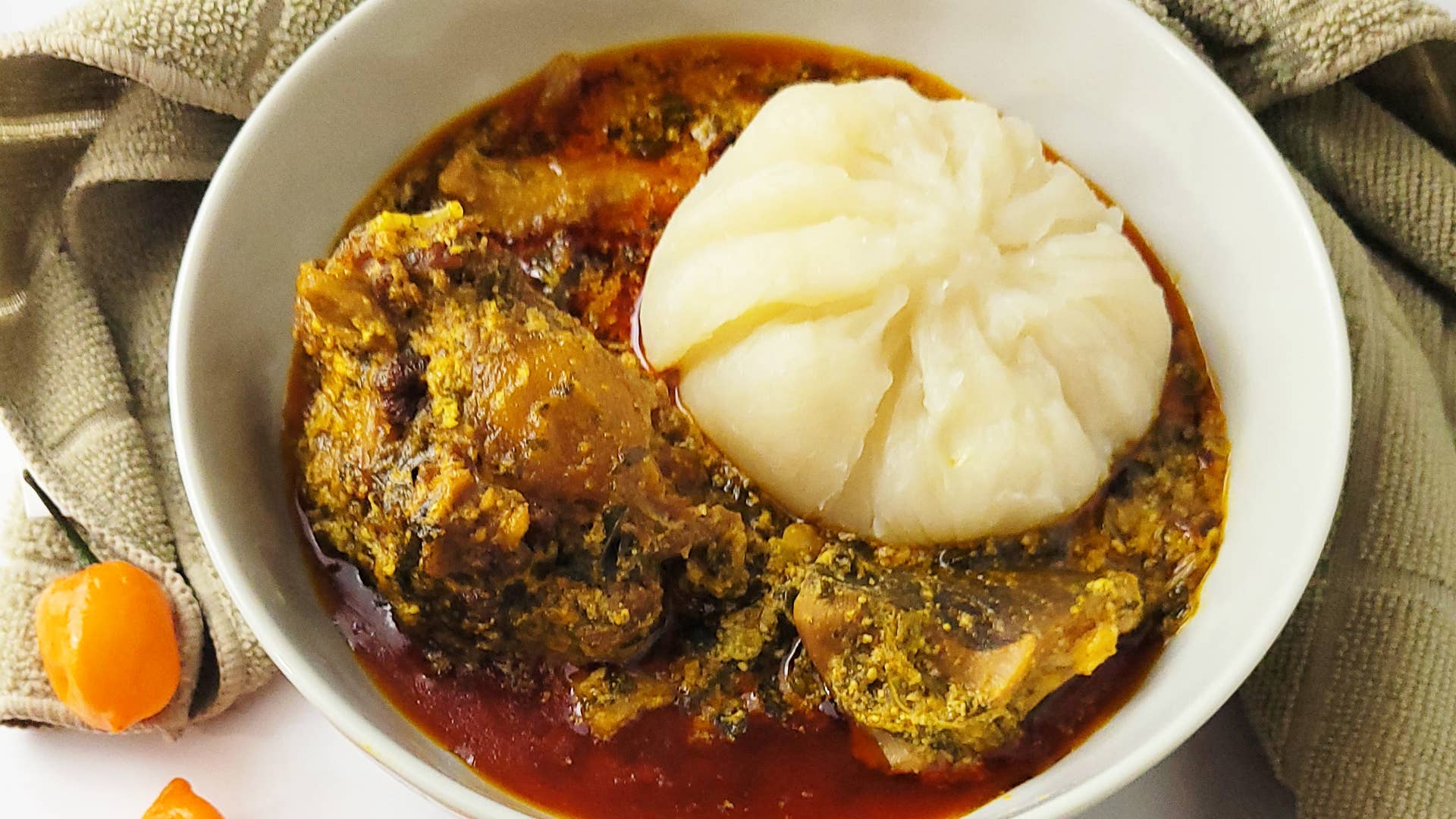
Classic Cassava Fufu with Tomato Sauce
A hearty, versatile West African dish made from cassava flour and tomato-based sauce, perfect for pairing with stews or grilled meats. This recipe is a must-try for any occasion.
🥘Ingredients
- 2 cups cassava flour
- 1 tsp salt
- 1 cup blended tomatoes
- 2 cloves garlic
- 1 tbsp vegetable oil
- ½ tsp red pepper flakes (optional)
👨🍳Directions
-
1
Blend tomatoes, garlic, oil, and red pepper flakes into a smooth sauce. Heat in a pot over medium heat until thickened (about 10 mins). -
2
Mix cassava flour and salt in a large bowl until smooth. Knead into a firm dough, adding water gradually if needed. -
3
Steam the dough for 15–20 mins until soft and pliable. Cut into 8 even pieces. -
4
Serve hot with the tomato sauce, scooping pieces onto a plate and dipping into the sauce.
🔧Equipment
- Mixing bowls
- Kneading surface
- Steamer basket
- Cooking pot
📊Nutrition Facts (per serving)
📝Notes
Watch Video Of How Classic Cassava Fufu with Tomato Sauce Works
❓ Frequently Asked Questions About Cassava Fufu with Tomato Sauce
What is cassava, and why is it used in fufu?
Cassava is a starchy root vegetable native to South America but widely grown in Africa, Asia, and the Caribbean. It’s a staple in many cultures, including West African cuisine, where it’s a key ingredient in fufu. Fufu is made by pounding cassava (or other starchy ingredients like plantains or yams) into a smooth dough. Cassava’s natural starchiness makes it ideal for creating this versatile, dough-like texture.
—
How should I prepare cassava for making fufu?
First, peel the cassava and cut it into even-sized chunks. Boil the chunks in salted water until they’re fork-tender—about 30 to 45 minutes, depending on size. Drain the water and let the cassava cool slightly. Peel off the skin, then chop the flesh into small, even pieces. For best texture, soak the chopped cassava in cold water for at least 2 hours to remove bitterness and excess starch.
—
Can I use other ingredients besides cassava to make fufu?
Yes! While cassava is traditional, you can blend it with other starchy ingredients for variety. Common substitutes include:
– Plantains (ripe, sweet ones work best)
– Yams (similar texture to cassava)
– Sweet potatoes (for a slightly sweeter taste)
– Cornmeal or flour (for a gluten-free version)
Mixing two or three of these gives a richer, more flavorful fufu. Just ensure they’re all starchy and easy to pound into a smooth dough.
—
How do I know if my fufu is cooked properly?
Fufu is ready when it’s soft, smooth, and slightly sticky to the touch. It should pull away from the bowl when you lift it gently. Overcooking makes it dry and crumbly, while undercooking leaves it gummy. For extra smoothness, let the cooked cassava rest in the water for 10 minutes before pounding—this helps remove excess starch.
—
What’s the best way to serve fufu, and how should I pair it with soups or stews?
Fufu’s neutral flavor makes it a perfect canvas for bold soups and stews. Traditional pairings include:
– African soups like egusi (melon seed) soup, okra stew, or tomato-based stews.
– West African dishes like pepper soup, egusi soup, or grilled fish with fufu.
– Light soups like pumpkin soup or coconut milk-based stews for a milder contrast.
To serve, scoop the fufu into a bowl and spoon the soup or stew over it. The heat from the liquid will help soften it further.


