
gluten free pizza crust recipe

The Best gluten free pizza crust recipe
What I love most about this recipe is how versatile it is. You can make it thin and crispy, thick and doughy, or even roll it out for personal-sized pizzas. It’s also packed with better-for-you ingredients—almond flour for protein, tapioca starch for that perfect chew, and a touch of psyllium husk to bind it all together without xanthan gum. Plus, it’s naturally lower in carbs than traditional pizza dough, so I don’t feel guilty letting the kids have seconds. Whether you’re gluten-free by necessity or just looking to switch things up, this crust delivers without any of the usual compromises. It’s the kind of recipe that makes you forget you’re eating something “healthier” because it just tastes good.
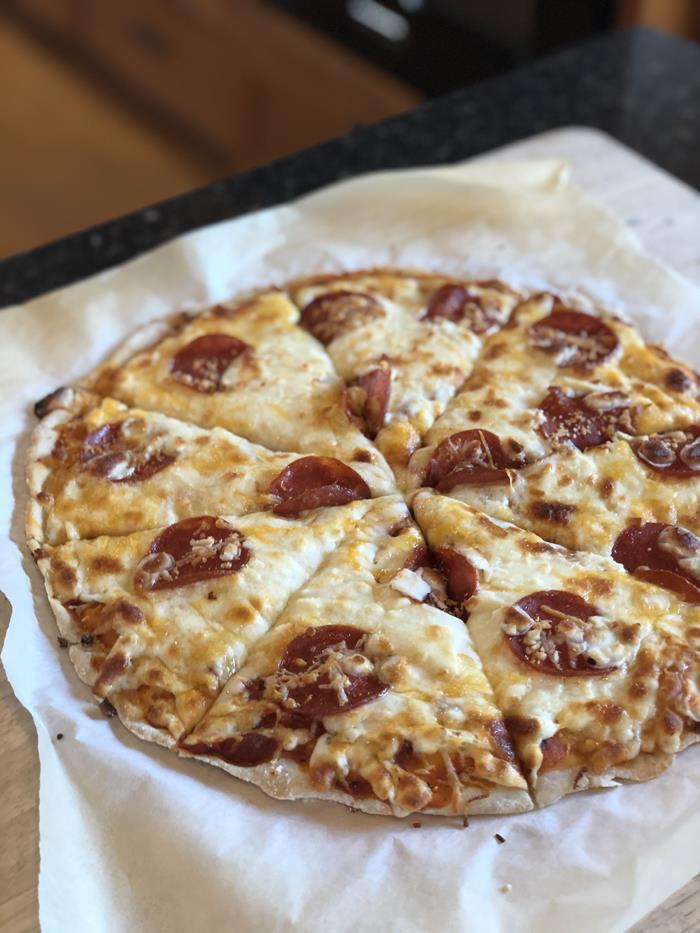
Gluten-Free Pizza Crust
A crispy and flavorful gluten-free pizza crust that holds toppings beautifully. Perfect for those avoiding gluten but still craving a delicious homemade pizza.
🥘Ingredients
- 1 ½ cups gluten-free all-purpose flour blend (with xanthan gum)
- ½ cup almond flour
- 1 tsp baking powder
- 1 tsp salt
- 1 tsp Italian seasoning (optional)
- 1 large egg (or flax egg for vegan option)
- 1 tbsp olive oil
- ¾ cup warm water
- ½ cup gluten-free pizza sauce
- 1 cup shredded mozzarella cheese (or dairy-free alternative)
- Toppings of choice (pepperoni, vegetables, etc.)
👨🍳Directions
-
1
Preheat your oven to 425°F (220°C) and line a baking sheet with parchment paper. -
2
In a large mixing bowl, whisk together the gluten-free flour blend, almond flour, baking powder, salt, and Italian seasoning (if using). -
3
Make a well in the center of the dry ingredients and add the egg, olive oil, and warm water. Mix until a soft dough forms. If the dough is too sticky, add 1-2 tbsp more gluten-free flour. -
4
Place the dough on a piece of parchment paper and press it into a ¼-inch thick circle using your hands or a rolling pin. For a crispier crust, roll it thinner. -
5
Transfer the parchment paper with the dough onto the baking sheet. Pre-bake the crust for 8-10 minutes until it starts to firm up. -
6
Remove the crust from the oven and add your desired toppings, starting with sauce, then cheese, and finally any other toppings. -
7
Return the pizza to the oven and bake for an additional 7-10 minutes, or until the cheese is melted and bubbly and the crust is golden. -
8
Let the pizza cool for 2-3 minutes before slicing and serving.
🔧Equipment
- Mixing bowl
- Whisk or fork
- Rolling pin (or a wine bottle)
- Parchment paper
- Baking sheet or pizza stone
- Oven
📊Nutrition Facts (per serving)
📝Notes
Watch Video Of How Gluten-Free Pizza Crust Works
❓ Frequently Asked Questions About Gluten-Free Pizza Crust
1. Can I make the gluten-free pizza crust ahead of time?
Yes! You can prepare the gluten-free pizza crust dough ahead of time and store it in the refrigerator for up to 24 hours. Simply wrap the dough tightly in plastic wrap or place it in an airtight container. When you’re ready to use it, let the dough sit at room temperature for about 30 minutes before shaping and baking. You can also freeze the dough for up to 3 months—just thaw it in the refrigerator overnight before using.
2. Why is my gluten-free pizza crust crumbly or falling apart?
Gluten-free pizza crust can be crumbly if the dough is too dry or lacks proper binding ingredients. To prevent this, ensure you’re using a blend of gluten-free flours (like rice flour, tapioca starch, and almond flour) along with a binder such as xanthan gum or psyllium husk. Also, don’t skip the eggs or egg substitute, as they help hold the dough together. If the dough feels too dry, add a little more liquid (water or milk) until it’s pliable but not sticky.
3. Can I use a different flour blend for this recipe?
Yes, you can experiment with different gluten-free flour blends, but the texture and flavor may vary. A 1:1 gluten-free baking flour (like Bob’s Red Mill or King Arthur) often works well as a substitute. If you’re using a single flour (like almond or coconut flour), you may need to adjust the liquid and binding agents since these flours absorb moisture differently. For best results, stick to a blend that includes starches (like tapioca or potato starch) for a lighter crust.
4. How do I get a crispier gluten-free pizza crust?
To achieve a crispier crust, pre-bake the dough for 5–10 minutes before adding toppings. This helps evaporate excess moisture. You can also brush the crust with olive oil before baking and bake it on a preheated pizza stone or baking steel for even heat distribution. Baking at a higher temperature (around 425°F/220°C or higher) and placing the pizza on the lower rack of the oven can also help crisp it up.
5. Is this gluten-free pizza crust vegan-friendly?
The basic recipe can be made vegan by substituting the eggs with flax eggs (1 tbsp ground flaxseed + 3 tbsp water per egg) or a commercial egg replacer. Additionally, ensure any dairy-based ingredients (like cheese) are replaced with vegan alternatives if needed. Some gluten-free flour blends may contain dairy, so always check the labels if you’re avoiding all animal products.
