
grape leaves recipe

The Best grape leaves recipe
What really gets me is how nutritious they are. Grape leaves are loaded with vitamins, minerals, and antioxidants, and they’re low in calories but high in fiber and plant-based protein. My kids have eaten them since they were little, and they never complain—mostly because they don’t taste like they’re eating something “healthy.” The leaves are soft and flavorful, especially when they’re cooked just right, and the filling inside is usually something hearty like rice, herbs, and spices. It’s a way to feed your family without feeling like you’re doing any kind of “dieting.” Plus, it’s a great way to use up whatever fresh herbs or veggies you have on hand, which is always a win in my book. Whether it’s a lazy Sunday afternoon or a gathering with friends, grape leaves are that one dish that feels like a little treat without the fuss.
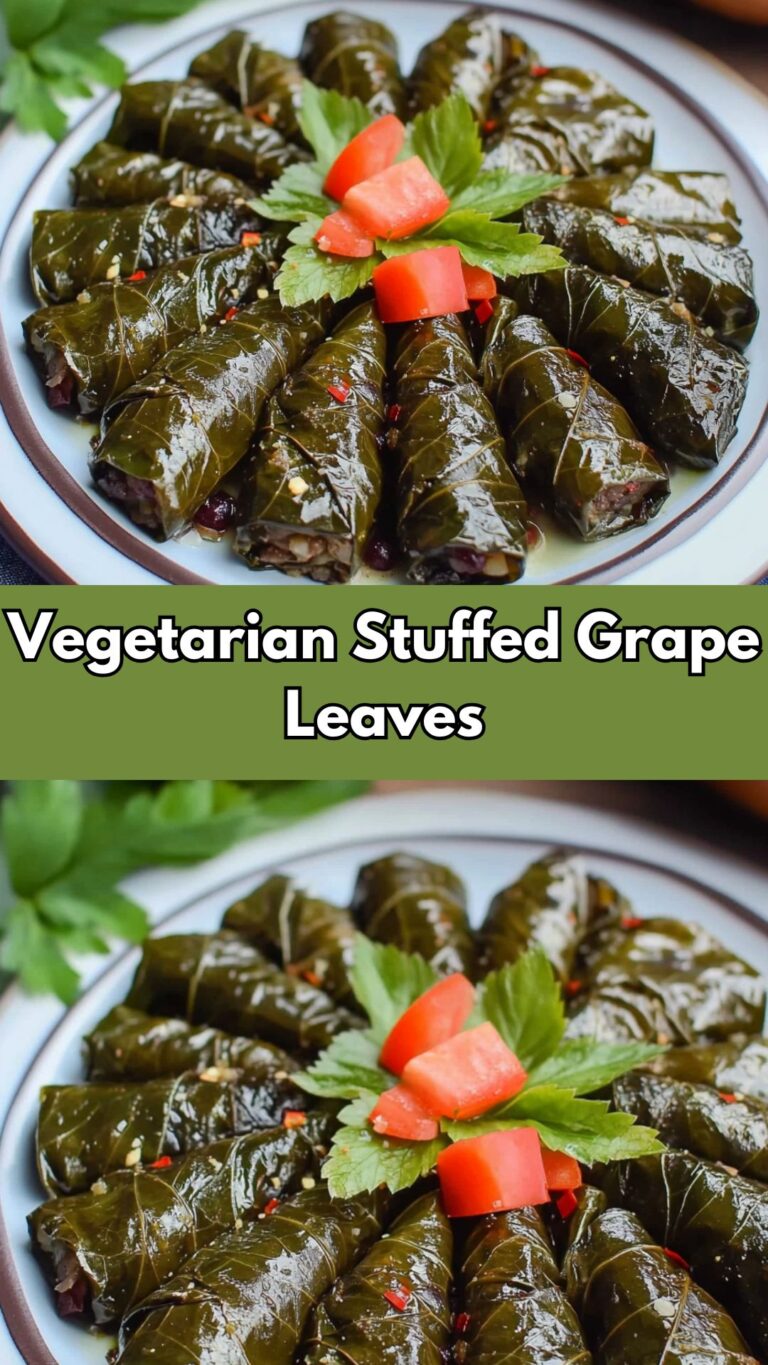
Stuffed Grape Leaves (Dolma)
A traditional Middle Eastern and Mediterranean dish featuring tender grape leaves stuffed with a flavorful mixture of herbs, rice, and spices, then baked to perfection. Perfect for a festive meal or a comforting weeknight dinner.
🥘Ingredients
- 1 lb (450g) fresh grape leaves (parchment-like, not bitter)
- 1 cup rice (basmati or short-grain)
- 2 tbsp olive oil
- 1 tsp salt
- 1 cup cooked rice (pre-cooked and cooled)
- 1/2 cup finely chopped fresh parsley
- 1/2 cup finely chopped fresh mint
- 1/2 cup finely chopped fresh dill
- 3 cloves garlic, minced
- 1/2 cup finely chopped red onion
- 1/2 cup tomato paste
- 1 tbsp lemon juice
- 1/2 tsp red pepper flakes (optional)
- 1/2 tsp ground cumin
- 1/2 tsp ground allspice
- 1/2 tsp ground cinnamon
- 1/2 tsp ground coriander
- 1/2 tsp dried oregano
- 1/2 cup chopped fresh tomatoes
- 1 tbsp olive oil
- 1 onion, finely chopped
- 2 cloves garlic, minced
- 1 can (14 oz) crushed tomatoes
- 1 tsp dried basil
- 1/2 tsp dried thyme
- Salt and pepper to taste
👨🍳Directions
-
1
Prepare the grape leaves: Rinse the grape leaves thoroughly under cold water to remove any dirt or bitter taste. Soak them in cold water for 30 minutes to soften. Drain and pat dry with a clean towel. -
2
Prepare the filling: In a large bowl, combine cooked rice, parsley, mint, dill, garlic, red onion, tomato paste, lemon juice, red pepper flakes, cumin, allspice, cinnamon, coriander, oregano, and chopped tomatoes. Mix well. -
3
Prepare the sauce: Heat olive oil in a saucepan over medium heat. Sauté onion until soft, then add garlic and cook for 30 seconds. Stir in crushed tomatoes, basil, thyme, salt, and pepper. Simmer for 10 minutes. -
4
Stuff the grape leaves: Take a grape leaf and place it in a bowl of cold water. Add a spoonful of the rice mixture to the center. Fold the sides inward and roll tightly into a neat cylinder. Place in a greased baking dish, ensuring they are sealed tightly. Repeat with remaining leaves. -
5
Prepare for baking: Pour the tomato sauce over the stuffed grape leaves. Cover the baking dish tightly with plastic wrap or aluminum foil and refrigerate for at least 2 hours (or overnight). -
6
Bake: Preheat the oven to 375°F (190°C). Remove the dolma from the refrigerator and let it sit at room temperature for 15 minutes. Bake uncovered for 45-50 minutes or until the leaves are tender and the filling is cooked through.
🔧Equipment
- Mixing bowls
- Cutting board
- Sharp knife
- Measuring cups and spoons
- Baking sheet
- Oven
- Small saucepan
- Wooden spoon or tongs
- Plastic wrap or aluminum foil
📊Nutrition Facts (per serving)
📝Notes
Tips
- Ensure grape leaves are fresh and pliable; avoid bitter leaves.
- For extra flavor, add a pinch of bay leaf to the filling.
- Serve with a side of yogurt or lemon wedges for a refreshing contrast.
- You can also bake dolma in a water bath for a more traditional method.
Substitutions
- Use calabrian olives instead of grape leaves for a variation called ‘olive leaves dolma’.
- For a gluten-free option, ensure the rice is certified gluten-free.
Watch Video Of How Stuffed Grape Leaves (Dolma) Works
❓ Frequently Asked Questions About Stuffed Grape Leaves (Dolma)
What is the traditional preparation method for grape leaves (dolmas) and what are the key ingredients?
Grape leaves, or dolmas, are typically stuffed with a mix of rice, herbs (such as parsley, mint, and dill), minced meat (like ground lamb or chicken), and sometimes onions, garlic, and tomatoes. The key ingredients can vary by region, but a classic preparation involves fresh grape leaves, a filling of rice, finely chopped fresh herbs, and a flavorful sauce made from tomatoes, olive oil, and spices. The leaves are rolled tightly around the filling and then boiled or baked until tender.
Can I use canned grape leaves instead of fresh ones, and if so, what should I be aware of?
Yes, you can use canned grape leaves (also called kalamata or grape leaves in brine), but there are some important considerations. Canned leaves are usually pre-cooked and have a slightly different texture and flavor than fresh ones. They are often softer and may require less cooking time. However, they may lack the vibrant green color and crispness of fresh leaves. To use them, rinse them well to remove excess salt and brine, then proceed with stuffing and cooking as you would with fresh leaves.
How long should I cook grape leaves (dolmas) to ensure they are fully tender and safe to eat?
The cooking time for grape leaves depends on whether you are using fresh or canned leaves, as well as the method (boiling or baking). For fresh grape leaves stuffed with rice, cook them in boiling water for 20–30 minutes until they soften and the filling is tender. If using canned grape leaves, they may only need 10–15 minutes of boiling. For baked dolmas, a typical time is 40–50 minutes at 375°F (190°C) until the leaves are pliable and the filling is cooked through. Always check for doneness by gently pressing a leaf—it should yield slightly but not tear.
What are some common variations of grape leaf filling beyond the classic rice-and-meat combination?
Beyond the traditional rice-and-meat filling, grape leaves (dolmas) can be stuffed with numerous variations depending on cultural and regional preferences. Some popular alternatives include:
– Rice and herbs (parsley, mint, dill, and sometimes coriander or basil) with a touch of lemon zest.
– Spinach and rice (a vegetarian option, often seasoned with garlic, cumin, and a splash of tomato sauce).
– Potato and cheese (a creamy filling, sometimes with walnuts or pine nuts for texture).
– Stuffed grape leaves with walnuts and herbs (a Middle Eastern style, often served cold or at room temperature).
– Stuffed grape leaves with lentils and rice (a hearty, protein-rich option).
– Stuffed grape leaves with mushrooms and onions (a vegetarian or vegan alternative).
– Stuffed grape leaves with spiced ground meat (such as beef or chicken with spices like cinnamon, allspice, or sumac).
– Stuffed grape leaves with eggplant and rice (a lighter, flavorful variation).
Some recipes also incorporate nuts (walnuts, pine nuts, or pistachios) for crunch, or a blend of fresh and dried herbs for depth of flavor.
How can I prevent grape leaves from becoming soggy or falling apart while cooking?
To keep grape leaves from turning mushy or falling apart, follow these tips:
1. Use fresh leaves – Canned leaves are softer and may not hold shape as well. If using fresh, ensure they are pliable but not overly wilted.
2. Pat leaves dry – Before stuffing, gently pat the leaves dry with a clean towel to remove excess moisture, which can make them slippery and harder to roll.
3. Stuff lightly – Overstuffing leads to bulging leaves that may burst open during cooking. Fill them snugly but not to the point of stretching.
4. Use a small amount of water or broth – When rolling, add a tiny bit of water or broth to the bottom of the leaf to help it seal. This prevents leaks.
5. Cook in a sealed pot or covered container – If boiling, place a heavy object (like a wooden spoon) on top of the dolmas to keep them submerged and prevent them from unrolling.
6. Avoid overcooking – Fresh leaves should be cooked for 20–30 minutes, while canned leaves may only need 10–15 minutes. Remove them from heat as soon as they soften.
7. Prevent overstuffing in baking – If baking, ensure the dolmas are tightly packed in a baking dish with a bit of water or broth in the bottom to steam them gently.
8. Use a non-stick pan or parchment paper – If grilling or pan-frying, line the pan with parchment to prevent sticking and ensure even cooking.

