
greek food and recipe

- The Best greek food and recipe
- Classic Greek Spanakopita (Spinach and Feta Phyllo Pie)
- 🥘Ingredients
- 👨🍳Directions
- 🔧Equipment
- 📊Nutrition Facts (per serving)
- 📝Notes
- Watch Video Of How Classic Greek Spanakopita (Spinach and Feta Phyllo Pie) Works
- ❓ Frequently Asked Questions About Greek Spanakopita (Spinach and Feta Phyllo Pie)
The Best greek food and recipe
I’ve been making Greek recipes for years, and nothing beats the way my kids—especially my picky eaters—will devour a bowl of Greek yogurt with honey and walnuts or a plate of grilled halloumi with roasted veggies. It’s one of those dishes that feels like a no-fuss meal, but it’s also a way to sneak in healthy fats, lean proteins, and fiber without anyone noticing. Plus, the flavors are so bright and satisfying that you don’t even need a lot of extra sugar or salt. It’s the kind of food that makes you feel good, both inside and out. And honestly? It’s the kind of dish that works for any occasion—whether you’re hosting a small dinner party or just treating yourself to something special.
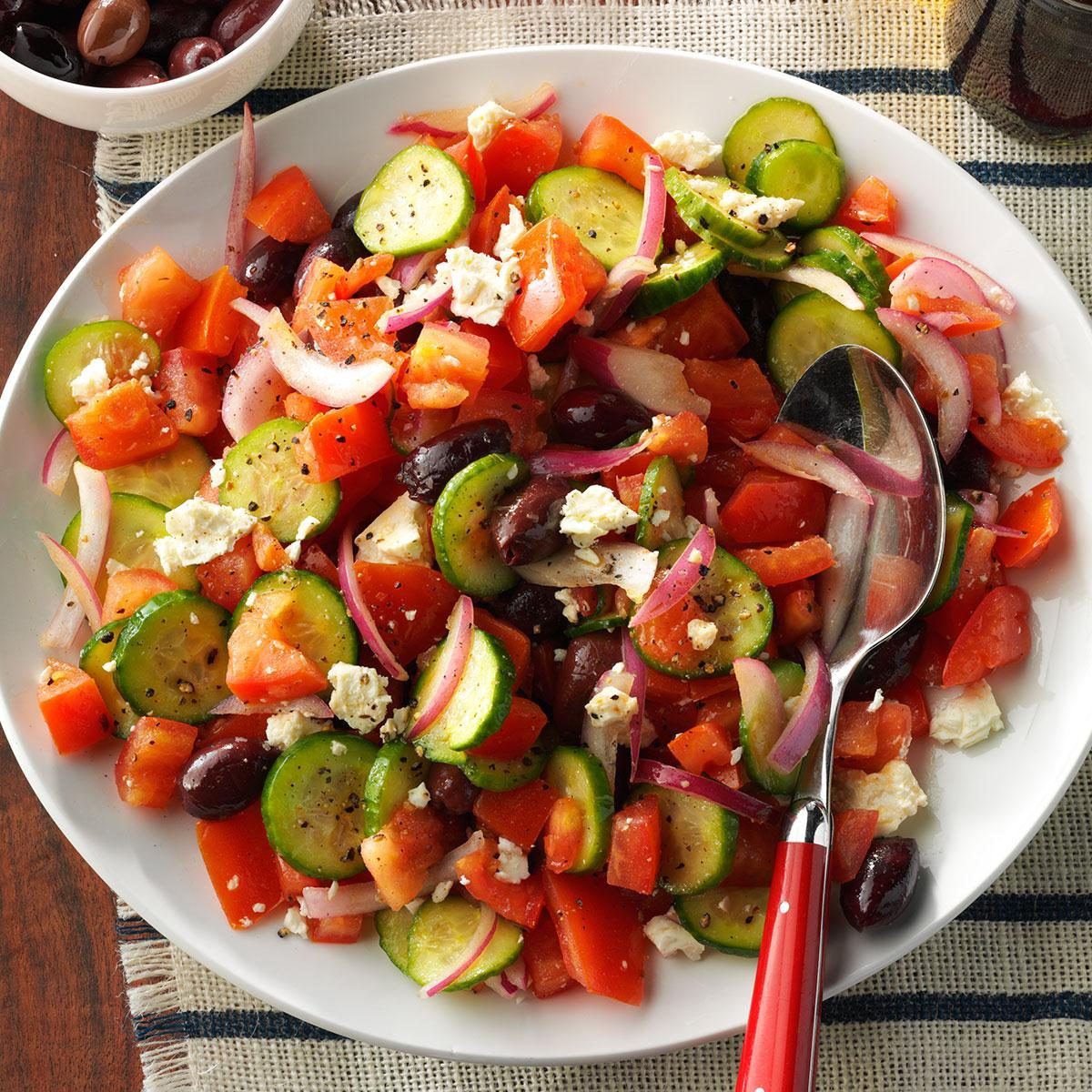
Classic Greek Spanakopita (Spinach and Feta Phyllo Pie)
A flaky, golden pie packed with tender spinach and savory feta, perfect for a comforting Greek meal. Lightly sweetened with a touch of honey, this pie balances fresh flavors with crisp layers.
🥘Ingredients
- 16 sheets phyllo dough (thawed if frozen)
- 1 cup unsalted butter, softened
- 1 tsp salt
- 2 cups fresh spinach, finely chopped
- 1/2 cup crumbled feta cheese
- 1/2 cup grated Parmesan cheese
- 2 cloves garlic, minced
- 1/4 cup olive oil
- 1 egg, lightly beaten
- 1 tbsp lemon juice
- 1/2 tsp dried oregano
👨🍳Directions
-
1
Preheat oven to 375°F. Lightly brush a pie dish with olive oil to prevent sticking. -
2
In a bowl, mix softened butter with salt until smooth. Spread the mixture evenly over the bottom of the pie dish, then layer one sheet of phyllo dough on top. Brush with a little water, then repeat with three more layers of phyllo. -
3
In a separate bowl, sauté chopped garlic in olive oil over medium heat until fragrant (about 1 minute). Add chopped spinach and cook until wilted (2–3 minutes). Stir in feta, Parmesan, egg, lemon juice, and oregano. Let cool slightly. -
4
Spread the spinach mixture evenly over the phyllo layers. Cover with two more sheets of phyllo, brushing each with water. Cut slits in the top to allow steam to escape. -
5
Bake for 35–40 minutes until golden and crisp. Let cool before slicing.
🔧Equipment
- Mixing bowls
- Cutting board
- Pastry brush
- Oven-safe pie dish
📊Nutrition Facts (per serving)
📝Notes
Watch Video Of How Classic Greek Spanakopita (Spinach and Feta Phyllo Pie) Works
❓ Frequently Asked Questions About Greek Spanakopita (Spinach and Feta Phyllo Pie)
What is the cultural significance of Greek cuisine in modern dining?
Greek cuisine is deeply rooted in the country’s history and traditions, reflecting its Mediterranean heritage. It emphasizes fresh, seasonal ingredients like olive oil, herbs, tomatoes, and citrus, shaped by centuries of trade, agriculture, and coastal living. While modern dining has globalized Greek flavors, the dishes remain tied to regional variations—from the island specialties of feta and wild greens to the hearty stews of mainland Greece. Many traditional recipes are passed down through generations, preserving both culinary identity and communal bonding.
—
How can I adapt Greek recipes to accommodate dietary restrictions like gluten-free or vegan?
Gluten-free: Replace wheat-based ingredients like pita bread or pasta with certified gluten-free versions. Use chickpea or lentil-based flatbreads instead of regular pita, and opt for tamari or coconut aminos in sauces. For vegan: Skip dairy in dishes like spanakopita (spinach pie) by using vegan cheese or feta alternatives, and ensure olive oil is plant-based. Many Greek recipes naturally lean vegan if you avoid yogurt and butter, focusing on tomatoes, herbs, and legumes.
—
What are the best ways to store Greek yogurt to keep it fresh longer?
Greek yogurt can last up to two weeks in the fridge if stored properly. Transfer it to an airtight container after opening to minimize exposure to air, which speeds up spoilage. Refrigerate it at or below 40°F (4°C) to slow bacterial growth. For longer storage, freeze it in portions—thaw overnight in the fridge before use. If the yogurt develops a slight tang or separation, it’s still safe to eat; just stir it well before serving.
—
Why does my homemade Greek salad sometimes taste bland, and how can I enhance the flavor?
A bland Greek salad often lacks acidity, salt, or richness. Boost flavor by adding a squeeze of lemon juice or vinegar (red wine or apple cider) to cut through the greens. Increase saltiness with extra olive oil, a sprinkle of flaky sea salt, or a pinch of oregano. For creaminess, include a small amount of crumbled feta or a drizzle of balsamic glaze. Fresh herbs like dill or parsley also add brightness, so don’t skip them—use them generously.
—
Can I substitute olive oil for butter in Greek recipes, and how does it change the texture?
Yes, olive oil can replace butter in Greek recipes, but the results differ slightly. Olive oil adds a distinct, fruity flavor and a lighter texture, especially in baking or frying. For example, in dishes like baklava or muffins, olive oil keeps the dough tender and prevents excessive browning. In savory dishes like moussaka, it replaces butter in the béchamel sauce, creating a richer, oil-based consistency. For best results, use a high-quality extra-virgin olive oil.


