
haddock recipe oven

The Best haddock recipe oven
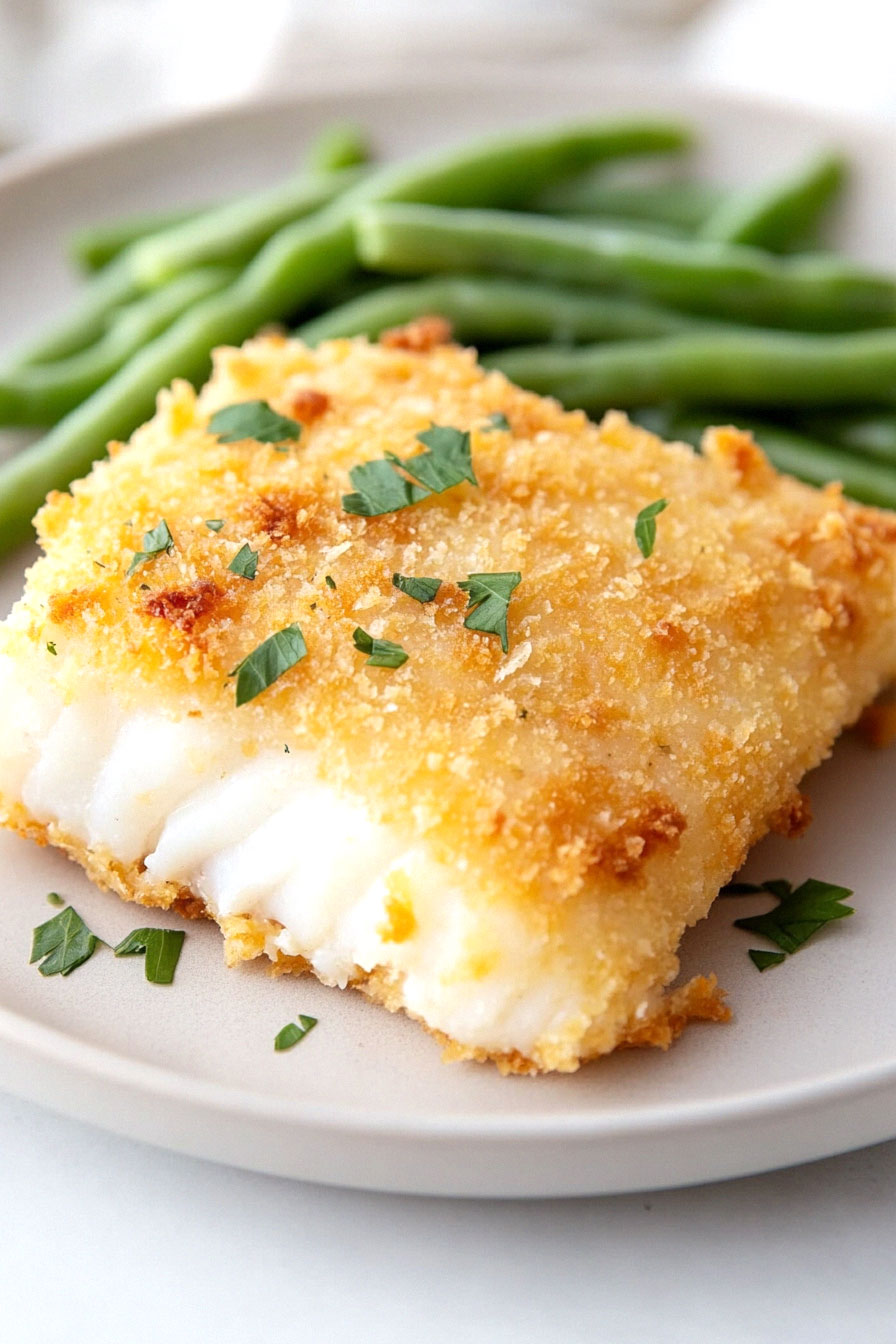
Haddock with Lemon Butter Bake
A tender baked haddock dish with a zesty lemon butter sauce, perfect for a light yet flavorful meal. The fish absorbs the sauce beautifully, making it both satisfying and easy to prepare.
🥘Ingredients
- 4 fresh haddock fillets (about 6 oz each)
- 1 tbsp olive oil
- 1 tsp salt
- ½ tsp black pepper
- ½ tsp paprika
- 3 tbsp unsalted butter
- Zest and juice of 1 lemon
- 2 cloves garlic, minced
- 1 tbsp fresh parsley, chopped
- ½ cup heavy cream (or half-and-half)
- 1 tbsp Dijon mustard
👨🍳Directions
-
1
Preheat oven to 400°F (200°C). Line a baking dish with parchment paper. -
2
Pat haddock fillets dry with paper towels. Season with salt, pepper, and paprika. Drizzle with olive oil and place in the prepared baking dish. -
3
In a small bowl, melt butter in a saucepan over medium heat. Add minced garlic and cook for 30 seconds. Remove from heat, stir in lemon zest, juice, parsley, heavy cream, and Dijon mustard. Set aside. -
4
Pour the lemon butter sauce over the haddock fillets. Cover the baking dish with foil and bake for 12 minutes. -
5
Remove foil and bake for another 8 minutes until the fish is opaque and flakes easily with a fork.
🔧Equipment
- Mixing bowl
- Baking dish (8×8-inch)
- Oven
- Knife and cutting board
- Measuring spoons
📊Nutrition Facts (per serving)
📝Notes
Tips
- For extra flavor, add a pinch of red pepper flakes to the sauce.
- Use fresh lemon juice instead of bottled for the best taste.
- Substitute haddock with cod or halibut if preferred.
Serving Suggestions
- Serve with a side of steamed green beans or a simple salad.
- Pair with crusty whole-grain bread for dipping.
Watch Video Of How Haddock with Lemon Butter Bake Works
❓ Frequently Asked Questions About Haddock with Lemon Butter Bake
What are the best cooking methods for preparing haddock in the oven?
The best oven cooking methods for haddock include baking, roasting, or grilling. For baking, preheat your oven to 400°F (200°C), place fillets on a lined baking sheet, season with salt, pepper, and optional herbs like parsley or dill, then bake for 12-15 minutes. For roasting, use a higher temperature (around 425°F/220°C) and cook for 10-12 minutes to achieve a crispy skin. Grilling works well on medium heat for 6-8 minutes per side.
How do I ensure my haddock stays moist while cooking in the oven?
To keep haddock moist, avoid overcooking—it dries out quickly. Pat the fillets dry before seasoning, then lightly oil them to prevent sticking. Baste with butter or olive oil during cooking for added moisture. For extra tenderness, consider adding a splash of lemon juice or a small amount of water to the baking tray. Cooking at a slightly lower temperature (around 375°F/190°C) also helps retain juiciness.
Can I use frozen haddock for oven cooking, and how do I thaw it properly?
Yes, you can use frozen haddock, but thawing it properly is key. The best methods are:
– Refrigerator thawing: Place the frozen fillets in a sealed bag on the coldest shelf for 12-24 hours.
– Cold water method: Seal the bag, submerge it in cold water (change the water every 30 minutes), and thaw for 1-2 hours.
– Microwave thawing: Use the defrost setting (follow package instructions) for quick results, but handle carefully to avoid overcooking.
What are some great seasoning and flavor combinations for oven-baked haddock?
Haddock pairs well with a variety of flavors. Here are some delicious combos:
– Classic Lemon & Herb: Zest and juice of ½ lemon, minced garlic, fresh dill, parsley, salt, and pepper.
– Garlic Butter & Parmesan: Melted butter with minced garlic, grated Parmesan, and a pinch of red pepper flakes.
– Spicy Cajun: Mix Cajun seasoning with olive oil, paprika, and a touch of cayenne for a bold twist.
– Citrus & Honey Glaze: Drizzle with honey, soy sauce, and a squeeze of orange juice for a sweet-savory glaze.
– Asian-Inspired: Use a mix of soy sauce, sesame oil, ginger, and a little brown sugar for a quick marinade.
How do I know if my haddock is cooked properly and safe to eat?
Haddock is fully cooked when it reaches an internal temperature of 145°F (63°C) (or 160°F/71°C for thicker cuts). Use a meat thermometer for accuracy. The fish should flake easily with a fork and have a white, opaque center. Avoid overcooking, as it can make the texture rubbery. If unsure, slightly undercook and serve with a bright sauce (like tartar or lemon-dill) to enhance the flavor.
