
healthy asian recipe

- The Best healthy asian recipe
- Healthy Korean Kimchi Fried Rice (Kimchi Bokkeumbap)
- 🥘Ingredients
- 👨🍳Directions
- 🔧Equipment
- 📊Nutrition Facts (per serving)
- 📝Notes
- Watch Video Of How Healthy Korean Kimchi Fried Rice (Kimchi Bokkeumbap) Works
- ❓ Frequently Asked Questions About Healthy Korean Kimchi Fried Rice (Kimchi Bokkeumbap)
The Best healthy asian recipe
What really makes this recipe stand out is how it’s so versatile. You can adjust the proteins—chicken, tofu, shrimp, or even pork—and swap out the veggies based on what’s on sale or what your family likes. It’s also great for meal prep because it keeps well for a few days in the fridge, and when you reheat it, it just gets even better. My kids swear by this dish because it’s not only delicious but also feels like a healthy choice—something they can actually look forward to eating without feeling like they’re missing out on all the fun of takeout. Plus, the health benefits? Oh, it’s a win-win. It’s packed with lean protein, fiber from the veggies, and all those good-for-you vitamins that keep everyone feeling energized without the heavy, greasy stuff. It’s the kind of meal that makes you feel good about what you’re putting on the table, whether it’s for a quick weeknight dinner or a little celebration with family.
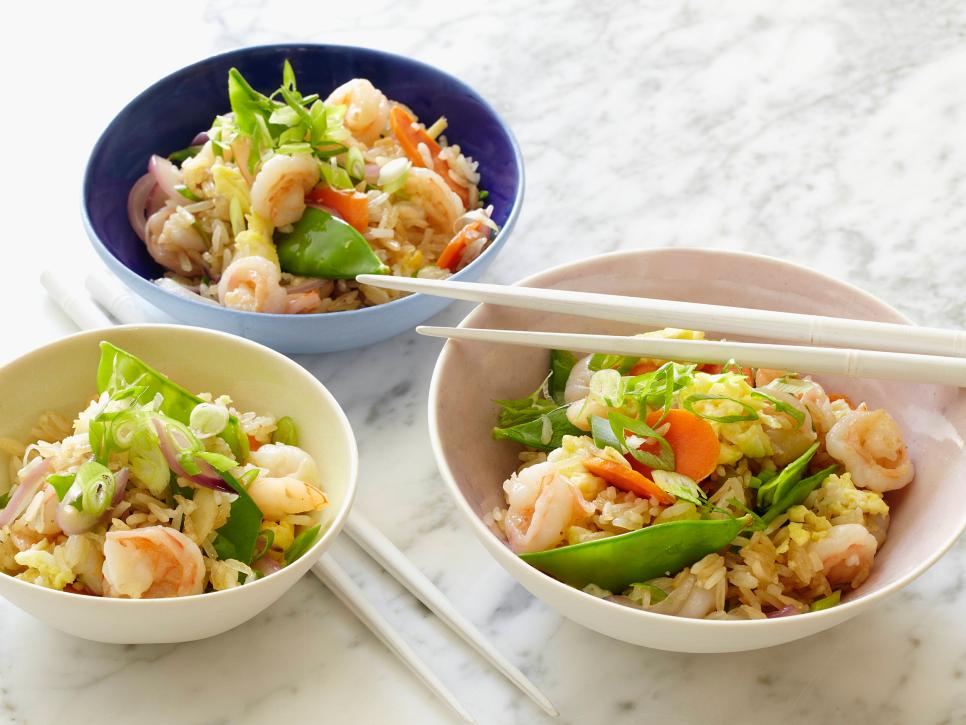
Healthy Korean Kimchi Fried Rice (Kimchi Bokkeumbap)
A flavorful and nutritious twist on classic fried rice, infused with spicy fermented kimchi and packed with vegetables for a balanced meal. This recipe is a must-try for any occasion.
🥘Ingredients
- 1 cup kimchi, chopped
- 1 tbsp gochujang (Korean red pepper paste)
- 1 tbsp rice vinegar
- 1 tsp sesame oil
- 2 cups cooked and cooled jasmine rice
- 1/2 cup low-sodium soy sauce
- 1/4 cup vegetable broth
- 1 tbsp honey or maple syrup
- 1 tsp grated ginger
- 1/2 lb (225g) shrimp, peeled and chopped
- 1/2 cup snap peas
- 1/2 cup carrots, julienned
- 1/2 bell pepper, sliced
- 1 clove garlic, minced
- 1 tsp toasted sesame seeds
👨🍳Directions
-
1
In a bowl, mix kimchi with gochujang, rice vinegar, and sesame oil. Set aside. -
2
In another bowl, combine soy sauce, vegetable broth, honey, and ginger. Stir well. -
3
In a skillet, heat 1 tbsp oil over medium-high heat. Add shrimp and cook until pink (~3 mins). Remove and set aside. -
4
In the same skillet, add 1 tbsp oil. Sauté garlic for 30 seconds. Add bell pepper, carrots, and snap peas. Cook for 3-4 mins. -
5
Add cooked rice to the skillet. Stir-fry for 2 mins. Pour the sauce mixture over the rice and mix well. -
6
Return shrimp to the skillet. Mix in the kimchi sauce. Cook for another 2 mins. Sprinkle sesame seeds on top.
🔧Equipment
- Large skillet or wok
- Mixing bowls
- Knife and cutting board
- Measuring cups and spoons
📊Nutrition Facts (per serving)
📝Notes
- For extra protein, add tofu or chicken instead of shrimp.
- Use low-sodium soy sauce to reduce sodium content.
- Serve with steamed broccoli or a side of miso soup for a complete meal.
Watch Video Of How Healthy Korean Kimchi Fried Rice (Kimchi Bokkeumbap) Works
❓ Frequently Asked Questions About Healthy Korean Kimchi Fried Rice (Kimchi Bokkeumbap)
What are some key ingredients commonly used in healthy Asian recipes?
Healthy Asian recipes often feature fresh, nutrient-dense ingredients like turmeric, ginger, garlic, lemongrass, green onions, and various types of vegetables (such as bok choy, spinach, carrots, and mushrooms). Lean proteins like tofu, tempeh, shrimp, chicken breast, and fish are staples, while healthy fats from sesame oil, coconut milk, avocado, and nuts are used in moderation. Fermented foods like kimchi, miso, and natto add probiotics for gut health, and whole grains like brown rice, quinoa, and sushi rice provide fiber and energy.
—
How can I make my Asian-inspired meals more balanced and nutrient-rich?
To maximize nutrition, focus on macronutrient balance: include half your plate with colorful vegetables (leafy greens, cruciferous veggies, root veggies), one-quarter lean protein, and one-quarter complex carbs (whole grains). Add healthy fats like avocado, nuts, or seeds for satiety and omega-3s. Incorporate fermented foods (kimchi, miso) for gut health, and use anti-inflammatory spices (turmeric, black pepper) to boost immunity. For example, a stir-fry could include brown rice, tofu, broccoli, snap peas, and a drizzle of sesame oil instead of heavy sauces.
—
Can you suggest some easy, healthy Asian recipes for beginners?
Absolutely! Here are simple, beginner-friendly recipes:
1. Lemon Garlic Shrimp Stir-Fry – Sauté shrimp with garlic, ginger, lemon juice, and a touch of soy sauce in olive oil, then add frozen mixed veggies (bell peppers, snap peas). Serve over cauliflower rice or brown rice.
2. Turmeric Chickpea Salad – Mix chickpeas with chopped cucumber, cherry tomatoes, red onion, lemon-tahini dressing (tahini + lemon + garlic + water), and a pinch of turmeric for anti-inflammatory benefits.
3. Quick Miso Soup with Tofu & Greens – Simmer white miso paste in dashi broth, add silken tofu, wakame seaweed, and shiitake mushrooms. Top with scallions and a sprinkle of sesame seeds.
4. Stir-Fried Bok Choy with Peanut Sauce – Blend peanut butter, soy sauce, lime juice, garlic, and a little honey into a sauce, then stir-fry bok choy and brown rice in the sauce.
5. Sushi Rolls with Avocado & Cucumber – Use sushi rice, nori sheets, and fillings like avocado, cucumber, and smoked salmon (or tofu for a vegan option). Roll tightly and slice into bite-sized pieces.
—
How do I adapt traditional Asian recipes to be lower in calories or sugar?
To reduce calories or sugar in classic dishes:
– Swap refined carbs for whole grains (e.g., switch white rice to brown rice or cauliflower rice).
– Cut sugar by using natural sweeteners like stevia, monk fruit, or a little honey in small amounts (e.g., in sweet-and-sour tofu instead of heavy syrup).
– Reduce oil by using non-stick pans, steaming, or air-frying (e.g., stir-fry with 1 tsp oil instead of 2–3).
– Boost flavor with herbs/spices instead of sugar (e.g., add ginger, chili flakes, or lime to dishes like sweet chili tofu).
– Use lower-fat proteins like extra-lean chicken breast, shrimp, or tempeh instead of fatty cuts.
– Opt for broth-based soups (e.g., kimchi kimchi-jjigae with less oil) instead of creamy or heavy sauces.
—
What are some healthy Asian snack ideas that are quick to prepare?
Here are 5-minute, nutrient-packed Asian-inspired snacks:
1. Edamame with Sea Salt – Steam or microwave frozen edamame (podded or shelled) and sprinkle with flaky sea salt for a protein-rich crunch.
2. Roasted Seaweed Snacks – Toss dried seaweed sheets with a little olive oil and roast at 375°F (190°C) for 5–7 minutes until crispy. Season with sesame seeds and chili powder.
3. Spicy Roasted Chickpeas – Toss chickpeas with olive oil, turmeric, cumin, paprika, and a pinch of cayenne. Roast at 400°F (200°C) for 20–25 minutes until crispy.
4. Mango & Coconut Smoothie – Blend frozen mango chunks, coconut water, a handful of spinach, and chia seeds for a tropical, fiber-rich snack.
5. Kimchi Chips – Thinly slice kimchi (drain excess liquid), spread on a baking sheet, and bake at 200°F (95°C) for 10–12 minutes until crispy. Sprinkle with sesame seeds for crunch.
6. Ginger-Lime Rice Crackers – Mix cooked and cooled rice with grated ginger, lime zest, and a little salt, then spread thinly on a tray and bake at 350°F (175°C) for 10–12 minutes. Cut into triangles.
