
hibachi sauce recipe

The Best hibachi sauce recipe
What I love most about this sauce is how easy it’s to customize. You can adjust the sweetness or heat to match what you’re cooking, and it’s always a crowd-pleaser whether you’re serving it for a casual weeknight dinner or a little family gathering. My kids love it because it’s not too heavy, and it makes their food taste fresh and exciting. And honestly, it’s a great way to sneak in a little extra flavor without feeling like you’re overdoing it. Plus, the health benefits are pretty solid—it’s got natural sugars from the honey or maple syrup, a little bit of vinegar for acidity, and some spices that add depth without being overly processed. It’s a way to keep things flavorful without sacrificing nutrition, which is always a win in my book.
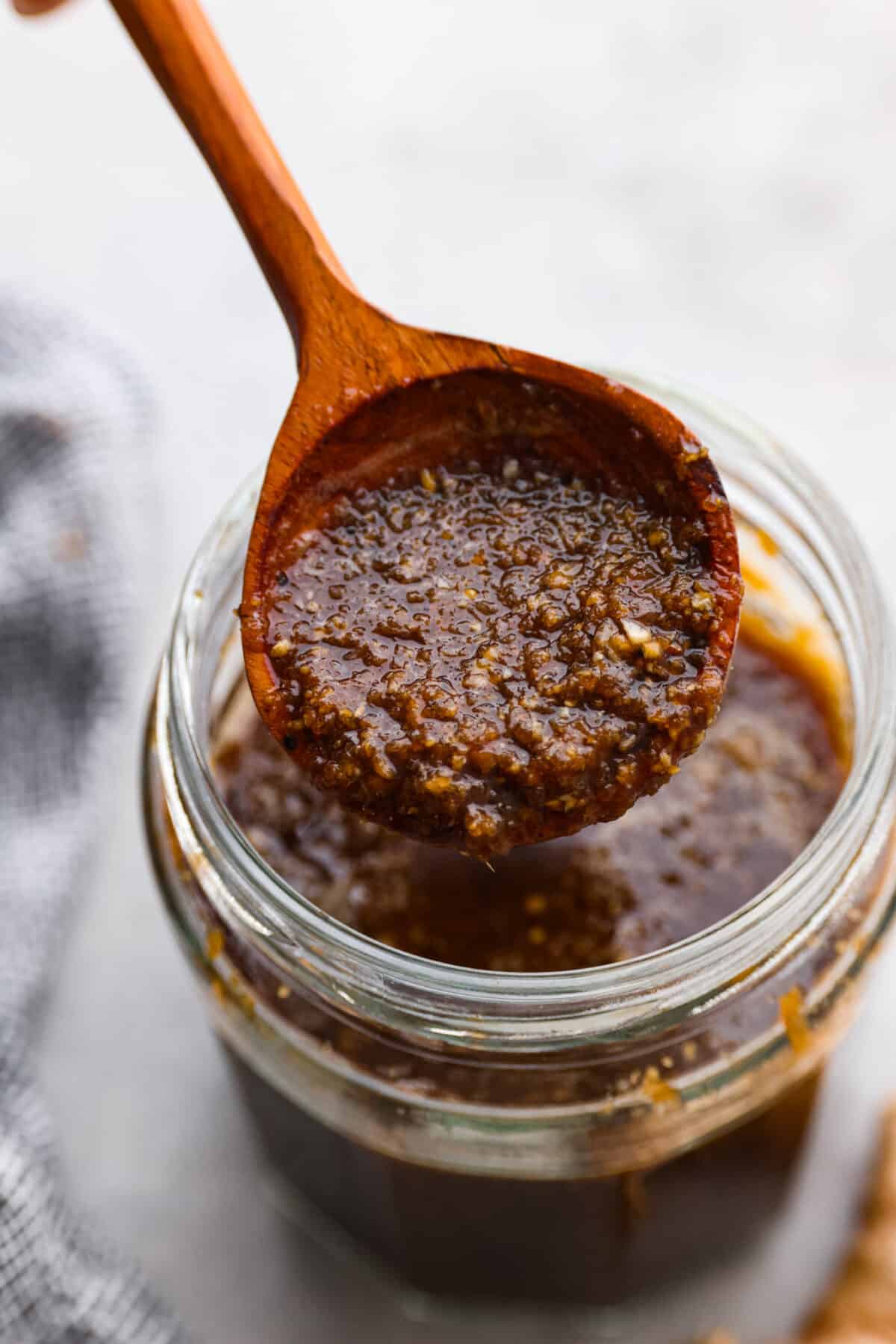
Classic Hibachi Sauce Recipe
A tangy, savory sauce perfect for drizzling over hibachi-style dishes, steamed vegetables, or grilled meats. This homemade version balances sweetness and acidity for a rich flavor profile.
🥘Ingredients
- 1 cup (240ml) soy sauce
- 1/2 cup (120ml) rice vinegar
- 1/4 cup (60ml) honey or brown sugar
- 1/4 cup (60ml) ketchup
- 2 cloves garlic, minced
- 1 small shallot, finely diced
- 1 tsp grated ginger
- 1 tsp red pepper flakes (optional)
- 1 tbsp sesame oil
- 1 tbsp toasted sesame seeds
- 1 tsp cornstarch (optional, for thickening)
👨🍳Directions
-
1
In a saucepan, combine soy sauce, rice vinegar, honey, and ketchup. Bring to a gentle simmer over medium heat. -
2
Add minced garlic, shallot, ginger, and red pepper flakes. Simmer for 5–7 minutes, stirring occasionally, until flavors meld. -
3
Remove from heat and whisk in sesame oil. For a thicker consistency, mix cornstarch with 1 tbsp cold water, stir into the sauce, and simmer for 1–2 minutes. -
4
Strain through a fine-mesh sieve (optional) to remove any coarse particles. Stir in toasted sesame seeds before serving.
🔧Equipment
- Medium saucepan
- Mixing bowl
- Whisk
- Fine-mesh sieve (optional)
📊Nutrition Facts (per serving)
📝Notes
- For a deeper umami taste, add 1 tbsp miso paste.
- Adjust sweetness by tweaking honey/brown sugar ratio.
- Store in an airtight container for up to 2 weeks in the fridge.
Watch Video Of How Classic Hibachi Sauce Recipe Works
❓ Frequently Asked Questions About Hibachi Sauce
What is hibachi sauce made of, and can I substitute any ingredients?
Hibachi sauce is typically made with a blend of soy sauce, Worcestershire sauce, ketchup, honey or brown sugar, garlic powder, onion powder, and sometimes a touch of vinegar or hot sauce. For substitutions, you can replace honey with maple syrup or agave, and Worcestershire sauce with a mix of soy sauce and a splash of tomato paste if needed. If you’re avoiding soy, you can use tamari instead, but the flavor profile may differ slightly.
—
How do I balance the sweetness and tanginess in hibachi sauce?
The key to a well-balanced hibachi sauce is adjusting sweetness and acidity gradually. Start with equal parts soy sauce and ketchup, then add 1–2 tablespoons of honey or brown sugar to sweeten. For tanginess, introduce ½ to 1 teaspoon of vinegar (apple cider or white) or a dash of hot sauce (like sriracha). Taste as you go—add more sweetness or acidity if needed, but avoid overpowering flavors.
—
Can I make hibachi sauce without ketchup, and what would be a good alternative?
Yes, you can omit ketchup if preferred, but it removes some of the sauce’s tangy depth. Alternatives include tomato paste (½ cup blended with water) or a mix of tomato sauce + a pinch of sugar. For a richer, less acidic version, you could also use mild BBQ sauce (adjusting sweetness as needed) or even a small amount of chicken broth to thin it out while keeping the umami base.
—
How long does hibachi sauce last, and how should I store it?
Homemade hibachi sauce typically lasts 3–4 days in the fridge when stored in an airtight container. For longer storage, you can freeze it for up to 3 months. To preserve freshness, let it cool completely before refrigerating or freezing. Thaw in the fridge overnight if freezing.
—
What’s the best way to use hibachi sauce, and are there creative ways to incorporate it beyond hibachi?
Hibachi sauce is classic for dipping hibachi-style meat or veggies, but it’s versatile! Try it on grilled chicken skewers, tacos, rice bowls, or even as a marinade for steak or shrimp. For a twist, use it as a glaze for roasted potatoes or as a sauce for fried rice. It also works well in pasta dishes, stir-fries, or as a dip for wings or fries.


