
jasmine rice recipe


The Best jasmine rice recipe
I love this recipe because it’s simple enough to make in bulk and freeze for later, but it also feels special when served at a gathering. My husband and I often make it for family dinners on weekends, and the kids always ask for seconds because it’s not just rice—it’s the base that makes everything else taste richer. And honestly, it’s one of those foods that’s actually good for you too. The long-grain nature of jasmine rice means it’s lower in glycemic index than white rice, so it keeps energy steady instead of spiking and crashing. Plus, it’s packed with fiber and B vitamins, which help with digestion and keeping things moving smoothly. It’s not a gimmick—it’s just a really smart choice for everyday eating, whether you’re cooking for a weeknight meal or a potluck. No fuss, no waste, just good food.
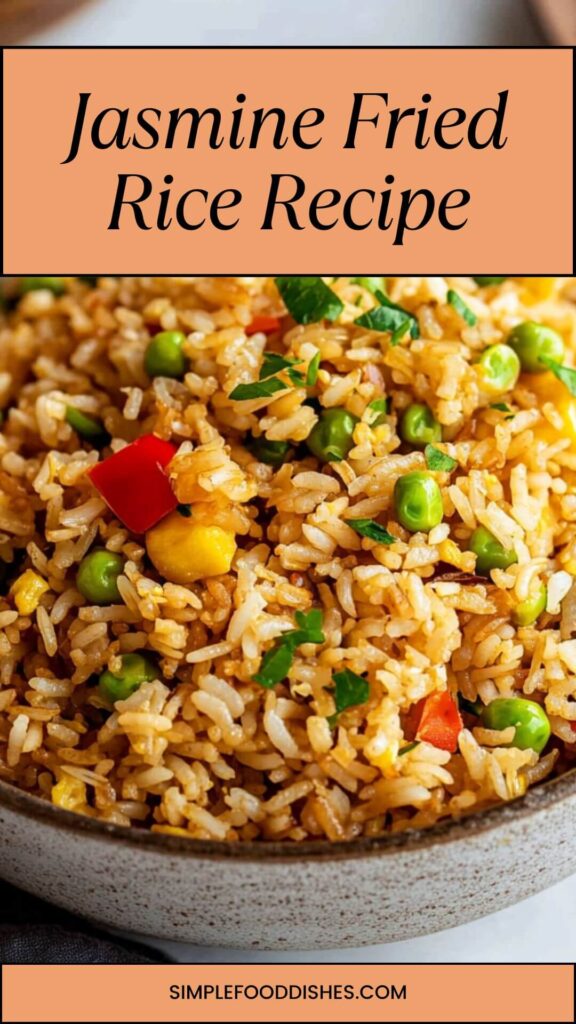
Perfect Jasmine Rice
A fragrant, aromatic jasmine rice dish perfect for any meal, offering a delicate sweetness and subtle floral notes. This recipe is a must-try for any occasion.
🥘Ingredients
- 1 cup jasmine rice (uncooked)
- 2 cups water
- 1 tsp salt
- 1 bay leaf
- 1 tbsp butter or oil
- 1/2 tsp turmeric (for color)
- 1/2 tsp black pepper
👨🍳Directions
-
1
Rinse the jasmine rice under cold water until the water runs clear to remove excess starch. -
2
In a pot or rice cooker, combine jasmine rice, water, salt, and bay leaf. Bring to a boil over medium-high heat. -
3
Once boiling, reduce heat to low, cover, and simmer for 15 minutes without stirring. -
4
After 15 minutes, turn off heat and let the rice sit, covered, for 10 minutes. -
5
Fluff the rice gently with a wooden spoon and discard the bay leaf. For extra flavor, stir in butter, oil, turmeric, or black pepper if using.
🔧Equipment
- Rice cooker or heavy-bottomed pot
- Wooden spoon
- Fine-mesh strainer (optional)
📊Nutrition Facts (per serving)
📝Notes
Tips
- Ensure rice is fully absorbed by checking if water has been completely drained before fluffing.
- For extra aroma, lightly toast the rice in a dry pan for 1-2 minutes before cooking.
- Use jasmine rice for stir-fries, salads, or as a base for Asian-inspired dishes.
Substitutions: {“rice”:”Long-grain white rice or basmati rice can be used as substitutes.”}
Watch Video Of How Perfect Jasmine Rice Works
❓ Frequently Asked Questions About Jasmine Rice
1. What is the best way to rinse jasmine rice to ensure it cooks perfectly?
To rinse jasmine rice, place the rice in a fine-mesh strainer and run cold water over it for about 10–15 seconds until the water runs clear. This removes excess starch, preventing the grains from becoming mushy and ensuring they stay fluffy and distinct.
—
2. Why does my jasmine rice turn out sticky or gluey?
Sticky jasmine rice often happens due to overcooking, insufficient rinsing, or using too much water. For fluffy results, use a 1:1.25 ratio of rice to water (e.g., 1 cup rice to 1.25 cups water). Let it sit covered for 5 minutes after boiling before fluffing with a fork.
—
3. Can I substitute white jasmine rice with another type of rice?
While jasmine rice has a distinct aroma and texture, you can try long-grain white rice (like basmati or long-grain white) or even sushi rice for a similar fluffy result. However, the flavor and slight chewiness may differ slightly.
—
4. How do I prevent my jasmine rice from becoming dry or undercooked?
To avoid dry rice, avoid stirring while cooking—this releases steam and helps the grains absorb moisture. If the water evaporates too quickly, add a splash of hot water every 5 minutes. For undercooked rice, check at 8 minutes (for 1:1.25 ratio) and add a little more water if needed.
—
5. What’s the ideal rice-to-water ratio for jasmine rice, and how long should it cook?
The best ratio is 1 cup jasmine rice to 1.25 cups water (or 1:1.25). Bring to a boil, then reduce heat to low, cover, and simmer for 12–15 minutes—do not lift the lid. Let it rest for 5 minutes before fluffing to avoid mushiness.
