
korean soup recipe

The Best korean soup recipe
The best part? It’s not just a meal—it’s a little celebration. Whether you’re hosting a dinner party with friends, feeding your kids after a long day, or just making it for yourself on a lazy weekend, this soup is the kind that feels special without being fancy. It’s got all the right things: protein from the tofu or pork, fiber from the kimchi, and a little something extra from the garlic and ginger that make it sing. Plus, it’s surprisingly good for you. The probiotics in the kimchi help your gut, and the spices keep things fresh without needing a lot of extra oil. It’s like a little health boost in every spoonful. And honestly? It’s the kind of dish that makes you want to slow down, eat mindfully, and enjoy the flavors without rushing. That’s something my kids and I appreciate more than most recipes.
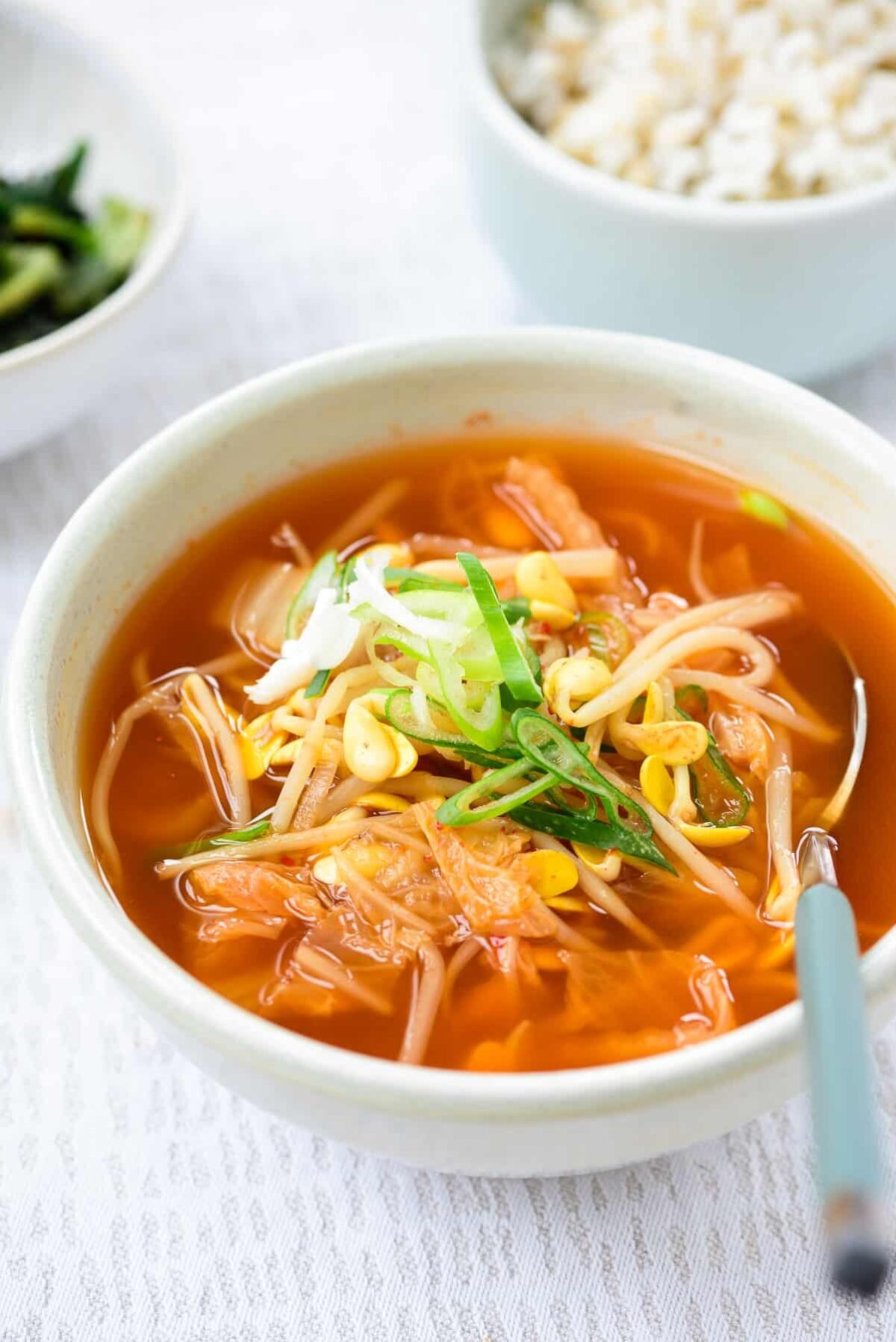
Classic Korean Kimchi Jjigae (Spicy Kimchi Stew)
A hearty, comforting stew packed with fermented kimchi, tender pork, and soft tofu. Perfect for a cold day or a cozy family meal.
🥘Ingredients
- 3 cups kimchi, chopped
- 1 large onion, sliced
- 2 carrots, julienned
- 2 cups water
- 1 lb pork belly, cubed
- 1 block (14 oz) firm tofu, cubed
- 1 cup dashi stock
- 1 cup gochujang (Korean red pepper paste)
- 1 cup fish sauce
- 1 tbsp soy sauce
- 1 tbsp sesame oil
- 1 tbsp sugar
👨🍳Directions
-
1
In a large pot, combine kimchi, onion, carrots, and water. Bring to a boil, then reduce heat and simmer for 10 minutes. -
2
Add pork belly and tofu to the pot. Simmer for 15 minutes until pork is tender. -
3
In a small bowl, whisk together gochujang, fish sauce, soy sauce, sesame oil, and sugar. Pour into the pot and stir well. -
4
Add dashi stock and bring to a gentle simmer. Cook for another 10 minutes, allowing flavors to meld. -
5
Taste and adjust seasoning if needed. Serve hot with steamed rice.
🔧Equipment
- Large pot
- Wooden spoon
- Measuring cups
- Knife and cutting board
📊Nutrition Facts (per serving)
📝Notes
Watch Video Of How Classic Korean Kimchi Jjigae (Spicy Kimchi Stew) Works
❓ Frequently Asked Questions About Korean Kimchi Jjigae (Spicy Kimchi Stew)
1. What is the best way to adjust the spice level in this Korean soup?
Use gochugaru (Korean red pepper flakes) sparingly at first—start with a light sprinkle and add more gradually while tasting. If the soup feels too mild, stir in a pinch of extra gochugaru or a dash of gochujang (fermented red pepper paste). For heat sensitivity, reduce the amount of gochugaru or omit it entirely and rely on other aromatic spices like garlic or ginger for depth.
—
2. Can I make this soup ahead of time, and how should I store it?
Yes, this soup tastes even better the next day as flavors meld. Store it in an airtight container in the refrigerator for up to 3 days. When reheating, cover the pot loosely to prevent steam from escaping and allow the broth to simmer gently to avoid splitting.
—
3. What substitutions can I use for the short ribs if I don’t have them?
Short ribs are ideal, but you can substitute with:
– Chicken thighs (bone-in for richer flavor)
– Beef brisket or chuck (cut into smaller pieces for quicker cooking)
– Pork belly (for a sweeter, fattier broth)
If using a substitute, ensure the meat is cut into bite-sized pieces and browned before simmering to preserve texture.
—
4. How do I prevent the soup from becoming too watery or too thick?
To avoid a watery broth, skim excess fat from the surface after simmering and discard it. For a thicker texture, reduce the soup by half on low heat or stir in a cornstarch slurry (1 tbsp cornstarch + 2 tbsp water) once the soup has cooled slightly. Avoid stirring while boiling to prevent lumps.
—
5. Is this recipe suitable for a gluten-free diet, and how would I make it?
Traditionally, this soup contains gluten from ingredients like soy sauce or gochujang. To make it gluten-free:
– Replace soy sauce with gluten-free tamari or coconut aminos.
– Use gluten-free gochujang (available in Asian grocery stores).
– Ensure all broths and stock are certified gluten-free. Double-check labels on spices and aromatics to avoid cross-contamination.

