
lasagna recipe with cottage cheese

The Best lasagna recipe with cottage cheese
I love this recipe for occasions because it’s impressive but not complicated, and it serves a crowd without requiring last-minute stress. Whether it’s a Sunday dinner for the family or a potluck where you want to bring something showy but still easy to handle, this lasagna holds up well. And for daily eating? Well, it’s just as good as the day before, so it’s a no-fuss staple in our house. Plus, the cottage cheese isn’t just a flavor booster—it’s a health upgrade. It’s lower in fat than ricotta but still packed with protein and calcium, which is great if you’re trying to keep things balanced without sacrificing taste. My kids have noticed they feel fuller longer, and honestly, so do I. It’s that kind of meal that makes you feel like you’re doing something good for your family, even if it’s just a simple weeknight dinner.
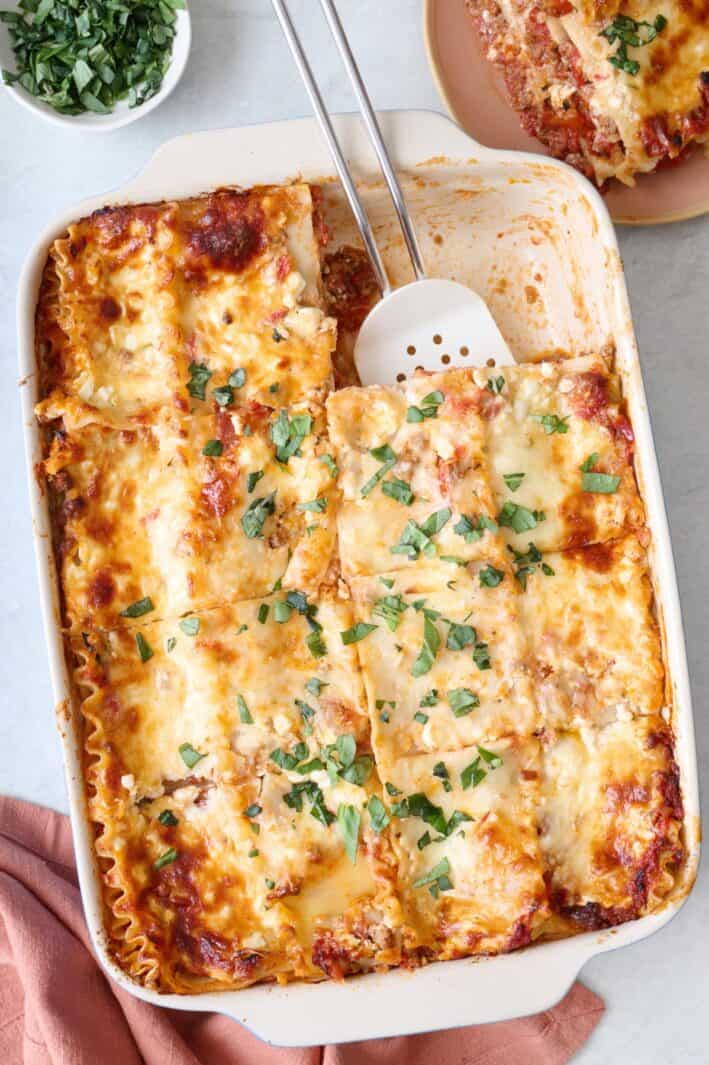
Cottage Cheese Lasagna
A creamy, comforting lasagna layered with cottage cheese, spinach, and tomato sauce, perfect for a hearty meal. This recipe is a must-try for any occasion.
🥘Ingredients
- 2 cups (250g) all-purpose flour
- 1 tsp salt
- 1/2 tsp active dry yeast
- 1/2 cup warm water
- 1.5 cups (300g) cottage cheese
- 1/2 cup grated Parmesan cheese
- 1/2 cup milk
- 1/2 cup shredded mozzarella
- 1/2 cup grated Parmesan
- 1/2 tsp garlic powder
- 1/2 tsp onion powder
- Salt and pepper to taste
- 1 package (10 oz) frozen chopped spinach, thawed and drained
- 1/2 cup grated Parmesan cheese
- 1/2 cup shredded mozzarella
- 1/2 tsp garlic powder
- 2 cups (480ml) tomato sauce
- 1 large onion, finely diced
- 3 cloves garlic, minced
- 1 tsp dried oregano
- 1 tsp dried basil
- Salt and pepper to taste
- 1 cup shredded mozzarella
- 1/2 cup grated Parmesan cheese
- 1/2 tsp dried oregano
👨🍳Directions
-
1
Preheat oven to 375°F (190°C). Mix flour, salt, and yeast in a bowl. Gradually add warm water to form a dough. Knead for 5 minutes, then let rest for 15 minutes. -
2
Roll out the dough on a lightly floured surface to about 1/8-inch thickness. Cut into 12 rectangles. -
3
In a bowl, mix cottage cheese, milk, Parmesan, mozzarella, garlic powder, onion powder, salt, and pepper until smooth. -
4
Spread a thin layer of tomato sauce in the bottom of a 9×13-inch lasagna pan. Arrange 4 lasagna noodles horizontally, leaving 1-inch gaps. Pour half the cottage cheese mixture into the gaps, then add half the spinach mixture. -
5
Repeat layers: tomato sauce, 2 noodles, cottage cheese, spinach, and tomato sauce. End with noodles, remaining cottage cheese, and spinach. -
6
Bake uncovered at 375°F (190°C) for 30 minutes. Top with mozzarella and Parmesan, then bake for another 15-20 minutes until bubbly and golden.
🔧Equipment
- Mixing bowls
- Kitchen scale (optional)
- Rolling pin
- Lasagna pan
- Baking sheet
- Oven
📊Nutrition Facts (per serving)
📝Notes
- For extra creaminess, blend the cottage cheese with a little cream cheese before mixing with other ingredients.
- Substitute spinach with zucchini or mushrooms if preferred.
- Make ahead: Assemble lasagna up to 2 days in advance and refrigerate. Bake directly from the fridge, adding 5-10 minutes to the baking time.
Watch Video Of How Cottage Cheese Lasagna Works
❓ Frequently Asked Questions About Cottage Cheese Lasagna
1. Why is cottage cheese used instead of ricotta in lasagna, and what are the benefits?
Cottage cheese is used in lasagna instead of ricotta primarily because it adds a creamier, slightly tangy texture while being lighter in density. Unlike ricotta, which is smooth and rich, cottage cheese contains small curds that provide a slightly chunkier yet still velvety consistency. This helps the lasagna hold together better and adds a subtle tanginess that balances the richness of the cheese sauce. Additionally, cottage cheese is lower in fat compared to ricotta, making it a healthier alternative while still delivering a delicious result.
—
2. How do I ensure the cottage cheese layer stays moist and doesn’t turn dry during baking?
To keep the cottage cheese layer moist, follow these tips:
– Mix it well with a bit of milk, cream, or even a splash of pasta water before layering to bind the curds and prevent dryness.
– Use a slightly higher moisture content—if your cottage cheese is very dry, add 1–2 tablespoons of water or heavy cream to adjust.
– Layer it evenly—distribute it smoothly between the noodles to avoid pockets of dryness.
– Cover with cheese sauce before baking to lock in moisture and prevent evaporation.
– Bake at a moderate temperature (375°F/190°C) for a shorter time (about 30–35 minutes) to prevent over-browning and drying out.
—
3. Can I substitute regular cottage cheese for the low-fat variety in lasagna, and if so, what’s the best way to do it?
Yes, you can use regular (full-fat) cottage cheese, but it will be richer and slightly denser. To adapt it for lasagna:
– Reduce the amount slightly—about ¾ cup full-fat cottage cheese to 1 cup low-fat to maintain moisture.
– Add a little extra liquid (1–2 tbsp heavy cream, milk, or pasta water) to compensate for the higher fat content.
– Blend it briefly in a food processor or with an immersion blender to break down the curds into a smoother texture, similar to ricotta.
– Increase the cheese sauce slightly to balance the richness when using full-fat cottage cheese.
—
4. What’s the best way to layer cottage cheese in lasagna to prevent it from sinking or separating?
To keep cottage cheese evenly distributed and prevent sinking or separation:
– Use a thin, even layer—about ½ cup per layer to avoid overloading and ensure even cooking.
– Mix it with a little flour or cornstarch (1–2 tsp) to help it bind better to the noodles and prevent sinking.
– Press gently with a spatula while layering to distribute it evenly.
– Add a thin layer of pasta water or sauce between the cottage cheese and the next layer to help it adhere.
– Avoid overmixing—just stir lightly to combine, not to break down the curds completely.
—
5. How long should I bake the lasagna with cottage cheese, and how do I know if it’s done?
For a 375°F (190°C) oven, bake the lasagna for:
– 30–35 minutes for a tender, slightly golden top (for a thicker crust).
– 25–30 minutes if using a thicker or heavier sauce (like béchamel) to avoid burning the top before the center cooks.
Signs it’s done:
– The edges should be golden brown and slightly crispy.
– The center should be bubbly and set (no jiggle when gently shaken).
– Insert a knife near the center—if it comes out clean (with a few melted cheese strands), it’s ready.
– The cottage cheese layer should be fully melted and slightly puffed, not raw or undercooked.
If baking at a lower temperature (e.g., 350°F/175°C), increase time by 5–10 minutes. Always check midway to avoid overcooking.


