
michigan pasties recipe

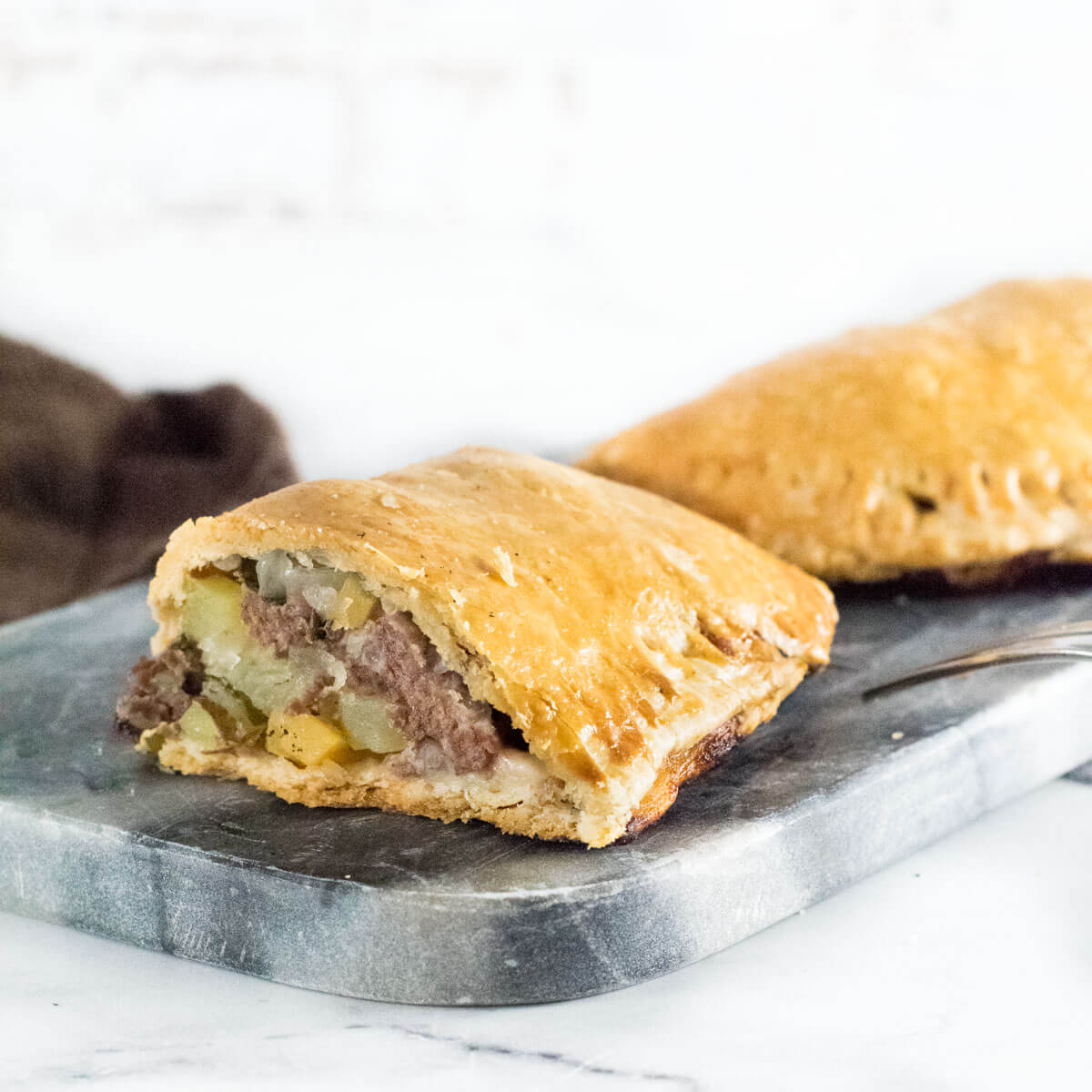
The Best michigan pasties recipe
What I love most about this recipe is how practical it is. Pasties are portable, filling, and perfect for busy days when you need something you can grab and go. They’re also packed with protein and veggies, so I don’t have to worry about whether my family is getting a balanced meal. The beef and potatoes keep them satisfied, and the crust is just sturdy enough to hold everything together without being too heavy.
I’ve tweaked the recipe over the years to make it a little lighter without losing that classic pasty taste. Using lean ground beef and whole wheat flour in the crust gives it a healthier twist, but it still feels like a treat. Whether we’re eating them fresh out of the oven or reheating leftovers, they always hit the spot. This is one of those recipes that’s as good for a casual dinner as it is for a potluck or picnic.
Michigan Pasties
A hearty and savory hand pie originating from Michigan’s Upper Peninsula, filled with beef, potatoes, onions, and rutabaga. Perfect for a filling meal on the go or a comforting dinner.
🥘Ingredients
- 3 cups all-purpose flour
- 1 tsp salt
- 1 cup cold unsalted butter, cubed
- 1/2 cup ice water (plus more if needed)
- 1 lb ground beef (or a mix of beef and pork)
- 1 large potato, peeled and diced
- 1 small rutabaga, peeled and diced
- 1 medium onion, finely chopped
- 1 tsp salt
- 1/2 tsp black pepper
- 1/2 tsp dried thyme (optional)
- 1/4 cup butter, cut into small pieces (for filling)
- 1 egg, beaten (for egg wash)
- 1 tbsp milk or water (for egg wash)
👨🍳Directions
-
1
Preheat your oven to 400°F (200°C) and line a baking sheet with parchment paper. -
2
In a large mixing bowl, combine the flour and salt. Add the cold cubed butter and cut it into the flour using a pastry cutter or your fingers until the mixture resembles coarse crumbs. -
3
Gradually add the ice water, 1 tablespoon at a time, mixing gently with a fork until the dough just comes together. Do not overwork the dough. Shape it into a ball, wrap in plastic, and refrigerate for 15 minutes. -
4
In another bowl, mix the ground beef, diced potato, rutabaga, onion, salt, pepper, and thyme until well combined. -
5
Divide the chilled dough into 6 equal portions. On a floured surface, roll each portion into a 7-inch circle about 1/8-inch thick. -
6
Place about 1 cup of the filling mixture onto one half of each dough circle, leaving a 1-inch border. Dot the filling with small pieces of butter. -
7
Fold the dough over the filling to form a half-moon shape. Crimp the edges tightly with a fork or by pinching to seal. Place the pasties on the prepared baking sheet. -
8
In a small bowl, whisk together the beaten egg and milk or water. Brush the tops of the pasties with the egg wash. -
9
Bake for 45-50 minutes, or until the crust is golden brown and the filling is cooked through. -
10
Let the pasties cool for 5-10 minutes before serving. Enjoy warm or at room temperature.
🔧Equipment
- Mixing bowl
- Rolling pin
- Baking sheet
- Parchment paper
- Pastry brush
- Knife
- Measuring cups and spoons
📊Nutrition Facts (per serving)
📝Notes
Watch Video Of How Michigan Pasties Works
❓ Frequently Asked Questions About Michigan Pasties
1. What is a Michigan pasty, and how is it different from a traditional Cornish pasty?
A Michigan pasty is a regional adaptation of the Cornish pasty, originally brought to the Upper Peninsula by Cornish miners in the 19th century. While both versions feature a flaky pastry crust filled with meat and vegetables, Michigan pasties often include a slightly sweeter dough and may contain additional ingredients like rutabaga (swede) or a mix of beef and pork. Some Michigan pasties also come with a side of gravy or ketchup for dipping, which is less common in traditional Cornish versions.
2. Can I make Michigan pasties ahead of time and freeze them?
Yes! Michigan pasties freeze exceptionally well. After baking, let them cool completely, then wrap each pasty tightly in aluminum foil or plastic wrap before placing them in a freezer-safe bag. They can be stored for up to 3 months. To reheat, bake from frozen at 350°F (175°C) for about 30–40 minutes or until heated through. For best results, avoid microwaving, as it can make the crust soggy.
3. What’s the best type of meat to use for authentic Michigan pasties?
The most traditional choice is a mix of beef chuck or round steak and pork shoulder, both cut into small, bite-sized cubes. The beef provides a hearty flavor, while the pork adds tenderness. Some recipes also include finely diced sirloin for extra richness. Avoid pre-ground meat, as it can make the filling too mushy—hand-cutting ensures the best texture.
4. Why do some Michigan pasty recipes call for rutabaga (swede) instead of turnips?
Rutabaga (also called swede) is the preferred root vegetable in Michigan pasties because of its slightly sweeter, nuttier flavor and firmer texture when cooked. Turnips can be used as a substitute, but they tend to be more watery and less flavorful. The rutabaga holds up better during baking, preventing the filling from becoming too soft. If you can’t find rutabaga, a mix of potatoes and carrots can work in a pinch.
5. How do I prevent my pasty crust from becoming soggy?
A soggy crust is usually caused by excess moisture in the filling. To prevent this:
– Drain vegetables well after chopping, especially potatoes and rutabaga.
– Pre-cook the filling slightly (parboil or sauté) to remove excess liquid before assembling.
– Seal the edges tightly by crimping or pressing with a fork to keep steam from escaping.
– Brush the crust with egg wash before baking for a crispier finish.
– Bake at a high temperature (375–400°F / 190–200°C) to ensure the pastry cooks through before the filling releases too much moisture.

