
mug cookie recipe

The Best mug cookie recipe
What really makes these mug cookies special is how they’re perfect for different occasions. If we’re hosting a small gathering or just want something simple for dinner, these do the trick without feeling like a chore. My husband says they’re the only thing that can make a boring office lunch feel a little more special, and honestly, I agree—there’s something comforting about a mug cookie that makes even the simplest moments feel a little better. And because they’re quick, they’re also great for when I’m short on time, like when the kids are running around and I need something fast. Plus, they’re surprisingly healthy if you make a few tweaks—like using whole wheat flour or reducing the sugar, which still gives them that perfect sweetness without overdoing it. My kids haven’t noticed the difference, and neither have I, but it’s nice to know they’re getting a little more nutrition without sacrificing flavor. They’re the kind of recipe that’s easy to love, whether you’re making them for yourself or sharing with others.
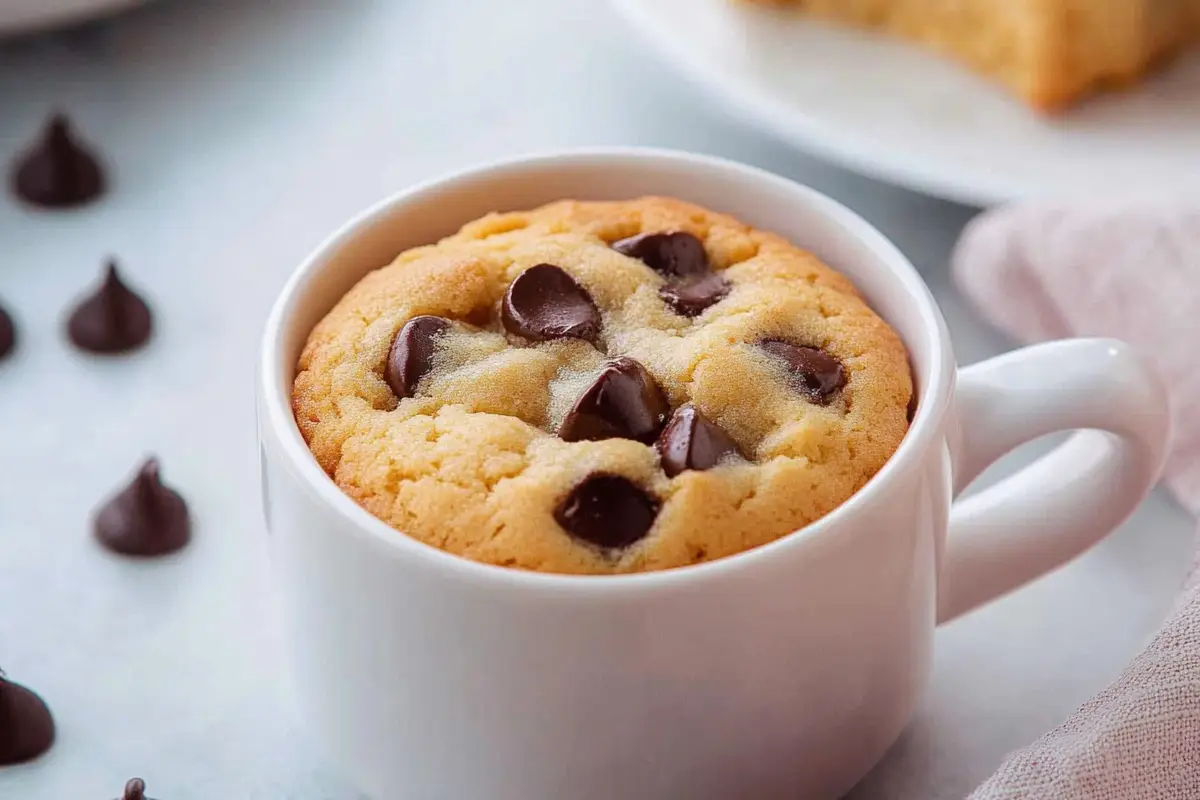
Creamy Chocolate Chip Mug Cookies
Quick and easy single-serving mug cookies packed with rich chocolate chips and a gooey center. Perfect for a cozy night in!
🥘Ingredients
- ½ cup all-purpose flour
- ¼ tsp baking powder
- ¼ tsp salt
- 2 tbsp unsalted butter, melted
- 2 tbsp granulated sugar
- 1 tbsp brown sugar
- 1 large egg
- 1 tsp vanilla extract
- ½ cup semisweet chocolate chips
👨🍳Directions
-
1
In a microwave-safe mug, combine melted butter, granulated sugar, brown sugar, egg, and vanilla extract. Whisk until smooth. -
2
Add flour, baking powder, salt, and chocolate chips. Stir until just combined (do not overmix). -
3
Microwave on high for 1 minute 30 seconds. Stir gently and microwave again for 30 seconds. -
4
Let cool for 1-2 minutes, then enjoy warm!
🔧Equipment
- Mug (8 oz), Microwave
- Mixing bowl (optional for pre-mixing)
- Whisk or fork
📊Nutrition Facts (per serving)
📝Notes
- For extra chewiness, add 1 tbsp of peanut butter or almond butter to the dough.
- Substitute chocolate chips with white chocolate or caramel bits for a twist.
- Store leftovers in the fridge for up to 3 days or freeze for longer storage.
Watch Video Of How Creamy Chocolate Chip Mug Cookies Works
❓ Frequently Asked Questions About Creamy Chocolate Chip Mug Cookies
What is the best way to store mug cookies for freshness?
To keep your mug cookies fresh, store them in an airtight container at room temperature. If you prefer them softer, keep them in the fridge for up to 2 days. For longer storage, freeze them in a single layer on a tray first, then transfer to a sealed bag or container. Thaw at room temperature before enjoying.
Can I make mug cookies without an electric mug warmer?
Absolutely! If you don’t have a mug warmer, use a microwave-safe mug and microwave in 20-30 second bursts, stirring between each, until the batter is fully set (about 1-2 minutes total). Alternatively, place the mug on a heat-safe surface over a low flame (like a stovetop burner) and stir occasionally until thickened.
What flavors can I customize with my mug cookie recipe?
The classic mug cookie is simple, but you can easily customize it! Try adding:
– Chocolate: Mix in chocolate chips, cocoa powder, or chopped dark chocolate.
– Nutty: Swirl in peanut butter, almond butter, or chopped nuts.
– Spiced: Add cinnamon, nutmeg, or a pinch of cayenne for warmth.
– Fruity: Fold in dried cranberries, raisins, or chopped apples.
– Creamy: Stir in a dollop of whipped cream or a spoonful of Nutella.
How do I know if my mug cookie batter is ready to set?
Your mug cookie batter is ready when it forms a soft, slightly thick peak when you lift the whisk or spoon. If it still drips slightly, let it cook for another 10-15 seconds. Overcooking can make them dry, so keep an eye on it!
Can I use gluten-free flour in mug cookies?
Yes! For gluten-free mug cookies, replace all-purpose flour with a 1:1 gluten-free baking blend (like Bob’s Red Mill or King Arthur). For a richer texture, you can also mix in almond flour or oat flour. Since gluten-free flours can absorb moisture differently, stir well and check consistency—add a little extra flour if needed.

