
neapolitan dough recipe

The Best neapolitan dough recipe
The health benefits of Neapolitan dough aren’t flashy, but they’re real. It’s made with whole-wheat flour and a little olive oil, which keeps it tender without being heavy. The key is the slow fermentation, which breaks down gluten gently and makes the flavors deeper. My kids swear by it because it doesn’t taste like anything artificial—just real, simple ingredients that make their taste buds happy. And honestly? It’s the kind of dough that feels like a treat every time, whether you’re serving it with a classic marinara or a fresh basil pesto. It’s the perfect balance of indulgence and wholesomeness, and that’s why I never get tired of making it.
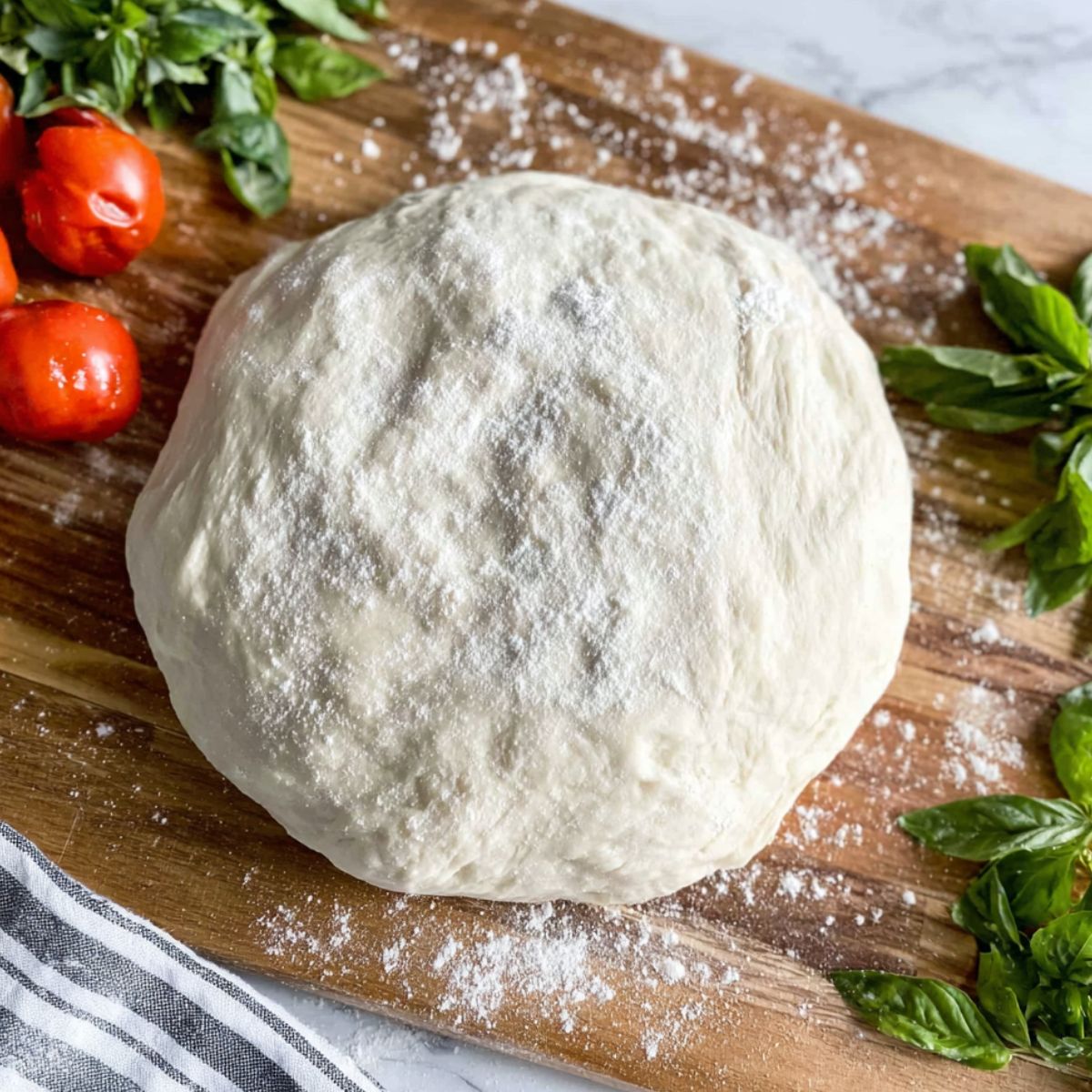
Classic Neapolitan Pizza Dough
A simple, no-knead dough recipe that captures the rustic charm of Neapolitan pizza. Perfect for beginners and seasoned cooks alike.
🥘Ingredients
- 2 cups all-purpose flour
- 1 tsp salt
- 1 tsp active dry yeast
- 1 cup warm water (110°F)
- 1 cup marinara sauce
- 2 cloves garlic, minced
- 1 tbsp olive oil
👨🍳Directions
-
1
In a warm bowl, dissolve yeast in warm water. Let it sit for 5 minutes until foamy. -
2
Mix flour and salt in a large bowl. Pour the yeast mixture into the flour and stir until a shaggy dough forms. -
3
Knead the dough lightly for about 2 minutes until smooth. Cover with a damp towel and let it rest for 1 hour. -
4
Preheat oven to 475°F. Roll out the dough on a lightly floured surface to your desired thickness. -
5
Spread marinara sauce evenly over the dough. Add toppings like garlic, olive oil, and any preferred toppings. -
6
Transfer the pizza to a baking sheet lined with parchment paper. Bake for 12-15 minutes until the crust is golden and crispy.
🔧Equipment
- Mixing bowl
- Kitchen scale (optional)
- Rolling pin
- Pizza peel or parchment paper
- Baking sheet
📊Nutrition Facts (per serving)
📝Notes
- For a healthier twist, use whole wheat flour and reduce the amount slightly to maintain dough consistency.
- Ensure your oven is fully preheated for the best crust texture.
- Let the dough rest properly to develop gluten for a chewy texture.
Watch Video Of How Classic Neapolitan Pizza Dough Works
❓ Frequently Asked Questions About Neapolitan Pizza Dough
How do I know if my dough is ready for the first rise?
Poke the dough gently with your finger. If it springs back slowly when you release it—meaning it doesn’t flatten immediately—it’s ready. If it stays indented, it needs more time. A well-rested dough should also feel soft and slightly tacky to the touch.
Can I use a stand mixer instead of kneading by hand?
Yes, but you’ll need to knead for at least 10 minutes to develop the gluten enough for a smooth, elastic dough. If you’re using a mixer, use a dough hook and knead on low speed for consistency. Over-mixing can make the dough tough, so keep it gentle.
What if my dough doesn’t rise enough in the first 4 hours?
If the dough rises slowly or doesn’t puff significantly, try these fixes: Warm your oven to 200°F (95°C) and place the dough inside for 1 hour to encourage fermentation. Alternatively, let it sit in a warm spot on the counter for another 1–2 hours before the second rise. Patience is key—overproofing can cause collapse.
How do I prevent the pizza from burning while it cooks?
Preheat your oven to the highest setting (575°F/300°C) and use a pizza stone or steel inside for 30 minutes. Place the dough directly on the hot stone or steel—it’ll cook faster and evenly. If the crust burns before the center cooks, rotate the pizza halfway through baking.
Why does my Neapolitan-style dough taste bland?
Blandness often comes from underproofing or insufficient fermentation. Let the dough rise for at least 4–6 hours (or overnight in the fridge for deeper flavor). If you’re using store-bought flour, ensure it’s fresh and high-quality. A little salt and a splash of olive oil in the dough can also enhance flavor without overpowering it.
