
pepper sauce recipe

The Best pepper sauce recipe
What really makes this recipe stand out is how it works for any occasion—whether you’re grilling for a family barbecue, making a quick weeknight meal, or even just whipping up something for the kids’ lunchbox. It’s versatile enough to be used daily without ever feeling repetitive, and the flavors are so bold that it doesn’t need much else to shine. Plus, it’s got a little something for everyone, from those who like it milder to those who want it fiery. And honestly? It’s a great way to sneak a little extra nutrition into meals without anyone even noticing. The spices and tomatoes in it give it a boost of vitamins, and the garlic adds a flavor that’s hard to beat. It’s one of those recipes that feels like a little treat every time you use it.
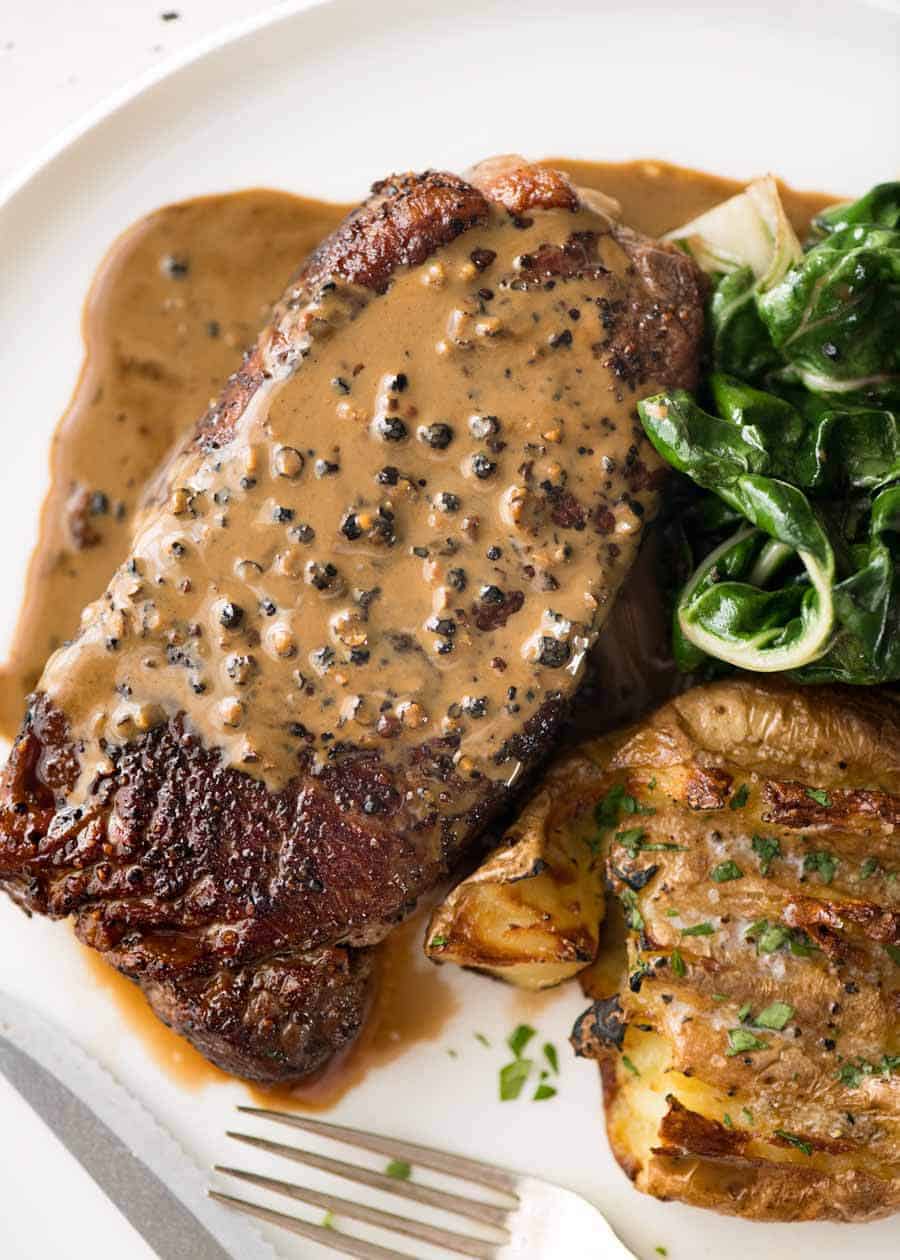
Spicy Garlic Pepper Sauce
A vibrant and flavorful sauce made with fresh peppers, garlic, and a touch of heat. Perfect for dipping, marinating, or drizzling over grilled meats and vegetables.
🥘Ingredients
- 2 medium red bell peppers, seeded and chopped
- 2 medium green bell peppers, seeded and chopped
- 4 cloves garlic, minced
- 1 tbsp olive oil
- 1 cup tomato sauce
- 1 tbsp tomato paste
- 1 tsp smoked paprika
- ½ tsp cayenne pepper (adjust to taste)
- 1 tsp dried oregano
- Salt and black pepper to taste
- ½ cup chicken or vegetable broth
👨🍳Directions
-
1
Preheat oven to 400°F (200°C). Place bell peppers on a baking sheet and roast for 20-25 minutes until charred. -
2
Remove peppers from the oven and let them cool slightly. Transfer them to a blender or food processor. Add minced garlic, olive oil, and ½ cup of broth. Blend until smooth. -
3
Transfer the pepper mixture to a saucepan. Add tomato sauce, tomato paste, smoked paprika, cayenne pepper, oregano, salt, and remaining broth. Stir well. -
4
Simmer the sauce on medium heat for 15-20 minutes, stirring occasionally, until it thickens. If too thick, add a splash of broth. -
5
Strain the sauce through a fine-mesh sieve to remove any seeds or fibers. Adjust seasoning with salt and pepper if needed.
🔧Equipment
- Blender or food processor
- Large saucepan
- Wooden spoon
- Fine-mesh strainer
📊Nutrition Facts (per serving)
📝Notes
Tips
- For extra depth, add 1 tbsp balsamic vinegar or a pinch of red pepper flakes.
- Store in an airtight container in the refrigerator for up to 5 days.
- Use immediately after straining for the best texture.
Variations
- Add ½ cup diced onions for a sweeter, richer flavor.
- Include 1 tsp ground cumin for a smoky twist.
Watch Video Of How Spicy Garlic Pepper Sauce Works
❓ Frequently Asked Questions About Spicy Garlic Pepper Sauce
1. What is the primary ingredient in a classic pepper sauce, and why is it essential for the flavor profile?
The primary ingredient in a classic pepper sauce is hot peppers (such as cayenne, habanero, or jalapeño), which provide the signature heat and depth of flavor. The peppers contain capsaicin, a compound that gives them their spiciness and contributes to the sauce’s bold, fiery taste. Additionally, the peppers’ natural oils and acids enhance the overall umami and complexity, making the sauce more vibrant and balanced.
2. Can I substitute fresh peppers for dried ones in the recipe, and how would that affect the intensity of the heat?
Yes, you can substitute dried peppers (like cayenne or chili powder) for fresh ones, but the heat level and flavor will differ. Dried peppers are more concentrated, so you’ll need to adjust the quantity—start with half the amount of fresh peppers and taste as you go. For example, 1 tbsp dried cayenne ≈ 2 tbsp fresh jalapeños. Fresh peppers also have a milder, fruitier base flavor, while dried ones add a more earthy, smoky depth. Always taste and adjust to your preferred spice level.
3. What common ingredients are typically included in a homemade pepper sauce, and do any of them serve a functional purpose beyond flavor?
A basic homemade pepper sauce usually includes:
– Hot peppers (for heat)
– Garlic or onion (for depth and sweetness)
– Vinegar or lemon juice (to balance acidity and preserve freshness)
– Olive oil or butter (for richness and texture)
– Salt, sugar, or honey (to adjust sweetness and seasoning)
– Herbs (optional) like thyme, rosemary, or bay leaves for aroma.
Vinegar or citrus adds tanginess, while fat (oil/butter) helps emulsify the sauce, preventing it from separating. Sugar or honey can also mellow the heat if needed.
4. How should I store leftover pepper sauce, and how long will it last?
Store leftover pepper sauce in an airtight container in the fridge for up to 5–7 days. For longer storage, transfer it to a glass jar and freeze it for 3–6 months. When reheating, warm gently in a saucepan over low heat or microwave on low power to avoid burning. Always check for freshness—if the sauce smells off or has an unusual texture, discard it.
5. Can I make a milder version of pepper sauce without losing too much of its depth, and what techniques can help achieve that?
Yes! To reduce heat while retaining flavor, try these techniques:
– Use milder peppers like serrano or Thai bird’s eye peppers (start with 1–2 per batch).
– Add more sweet ingredients (honey, brown sugar, or caramelized onions) to balance the heat.
– Reduce the amount of vinegar or lemon juice—this cuts tanginess without sacrificing acidity.
– Simmer the sauce longer to mellow the peppers’ heat gradually.
– Blend in a smoothie or smooth texture (e.g., add a little yogurt or coconut milk) to soften the bite.
A good rule of thumb: If the sauce feels too harsh, let it sit at room temperature for 10–15 minutes before tasting—heat often intensifies over time!


