
piccata sauce recipe

The Best piccata sauce recipe
I love this recipe because it’s so versatile. You can serve it over chicken, shrimp, or even fish, and it’s always a hit. It’s got that fresh, zesty kick that makes everyday meals feel fancy, but it’s also simple enough that you can make it in under 30 minutes. My family loves it because it’s not too heavy—just enough richness to satisfy without being overwhelming. Plus, it’s packed with nutrients. The lemon is full of vitamin C, the white wine adds antioxidants, and the garlic and shallots bring in flavor without too much fat. It’s a way to eat well without feeling like you’re missing out on anything. And honestly? It’s the kind of dish that makes people ask, “Where did you learn this?”—like it’s a secret family recipe.
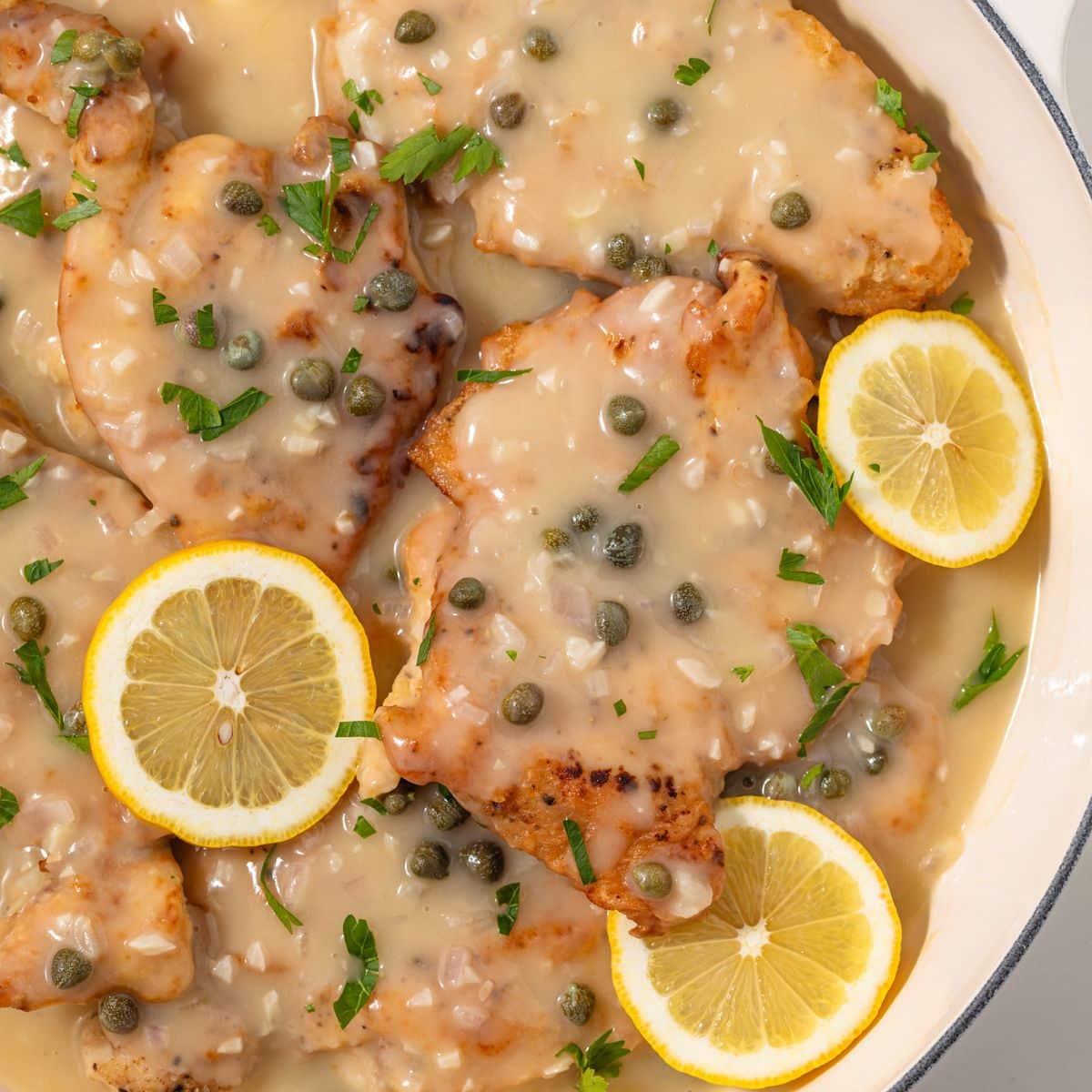
Classic Piccata Sauce
A bright and tangy lemon sauce made with butter, white wine, and a touch of capers, perfect for serving over chicken, fish, or pasta. This recipe is a must-try for any occasion.
🥘Ingredients
- 3 tbsp unsalted butter
- 1/2 cup dry white wine
- 1/4 cup chicken broth
- 1/4 cup diced shallots
- 2 cloves minced garlic
- 1/4 cup capers (chopped)
- 1/4 cup grated Parmesan cheese
- Zest and juice of 1 lemon
- 1 tbsp fresh parsley (chopped)
- Salt and black pepper to taste
👨🍳Directions
-
1
In a saucepan, melt the butter over medium heat. Add shallots and garlic, sautéing until softened (about 3 minutes). -
2
Pour in the white wine and chicken broth, stirring to deglaze the pan. Simmer for 3–4 minutes until slightly reduced. -
3
Add capers, Parmesan, lemon zest, lemon juice, parsley, salt, and pepper. Stir well and simmer for another 5 minutes. -
4
Strain the sauce through a fine-mesh sieve to remove capers and seeds (optional). Adjust seasoning if needed.
🔧Equipment
- Saucepan
- Wooden spoon
- Fine-mesh strainer
- Small bowl
📊Nutrition Facts (per serving)
📝Notes
Tips
- For extra richness, add a splash of heavy cream at the end of cooking.
- Substitute lemon juice with lime for a different flavor profile.
- Use lemon zest instead of juice for a more concentrated flavor.
Storage: {“fridge”:”Up to 5 days”,”freezer”:”Up to 3 months”}
Watch Video Of How Classic Piccata Sauce Works
❓ Frequently Asked Questions About Piccata Sauce
What is the primary ingredient that defines Piccata sauce?
Piccata sauce is primarily defined by its use of a white wine base combined with a rich mixture of butter, shallots, and a touch of lemon juice. The sauce is typically finished with a splash of lemon zest or juice for brightness, but the key is the creamy, aromatic foundation created by the wine and butter.
—
Why do some recipes call for lemon juice in Piccata sauce, while others use only zest?
The choice between lemon juice and zest depends on the desired flavor profile. Lemon juice adds a bright, tangy acidity that cuts through the richness of the butter and wine, enhancing the sauce’s freshness. Lemon zest (especially the bright, less acidic peel) provides a more subtle, floral note without overpowering the dish. Some recipes use a mix of both for balance—juice for acidity and zest for complexity.
—
Can I substitute white wine for another liquid in Piccata sauce, and if so, what are the best alternatives?
While white wine is traditional, you can substitute it with a few other liquids, but the flavor will change. The best alternatives are:
– Chicken or vegetable stock (for a lighter, brothier sauce).
– Dry white wine vinegar (to mimic acidity without wine’s depth).
– Butter and shallots only (simplified but less authentic).
Avoid heavy red wine or beer, as they’ll dominate the sauce’s taste. If using stock, reduce it first to concentrate the flavors.
—
How do I prevent Piccata sauce from becoming too thick or greasy when cooking?
To keep the sauce smooth and balanced:
1. Deglaze properly – After sautéing shallots and butter, add wine and scrape up browned bits to avoid a bitter or thickened sauce.
2. Stir constantly – Use a wooden spoon or whisk to emulsify the fat and liquid as you cook.
3. Reduce gradually – Simmer the sauce on low heat, stirring occasionally, to thicken it naturally without overcooking.
4. Add a splash of water or broth (if needed) to thin it if it’s too thick before emulsifying.
5. Use cold butter – If melting butter directly into the sauce, start with cold butter and gradually warm it to help emulsify.
—
What’s the best way to serve Piccata sauce, and how should it be presented?
Piccata sauce is traditionally served thinly poured over chicken (pan-seared or poached), but it works well with other proteins like:
– Shrimp
– Fish (like cod or halibut)
– Pasta (e.g., linguine or spaghetti)
– Tofu or vegetables (for vegetarian versions)
Presentation tips:
– Drizzle it over the dish in a thin, even layer.
– Garnish with fresh herbs like parsley or chives.
– Add a sprinkle of lemon zest on top for a pop of color and brightness.
– Serve with crusty bread or a simple salad to balance the richness.
