
pickled cabbage recipe

The Best pickled cabbage recipe
Pickled cabbage is also one of those foods that’s perfect for every occasion. You can serve it at a casual family dinner, pack it in a lunchbox for a picnic, or even toss it into a sandwich when you’re in a hurry. It’s that kind of versatile, no-fuss dish that doesn’t take up much space but leaves a big impression. And let’s be honest, it’s a great way to use up extra cabbage that’s been sitting in the fridge for a while—no waste, just flavor. Plus, it’s got all these little health perks that make it a smart choice. The probiotics from the vinegar help with digestion, and the crunch keeps you full longer than you’d expect. It’s not just good for you, it’s good for your taste buds too. My kids swear by it, and honestly, so do I. There’s nothing like that first bite of something fresh and tangy to make you feel good inside.
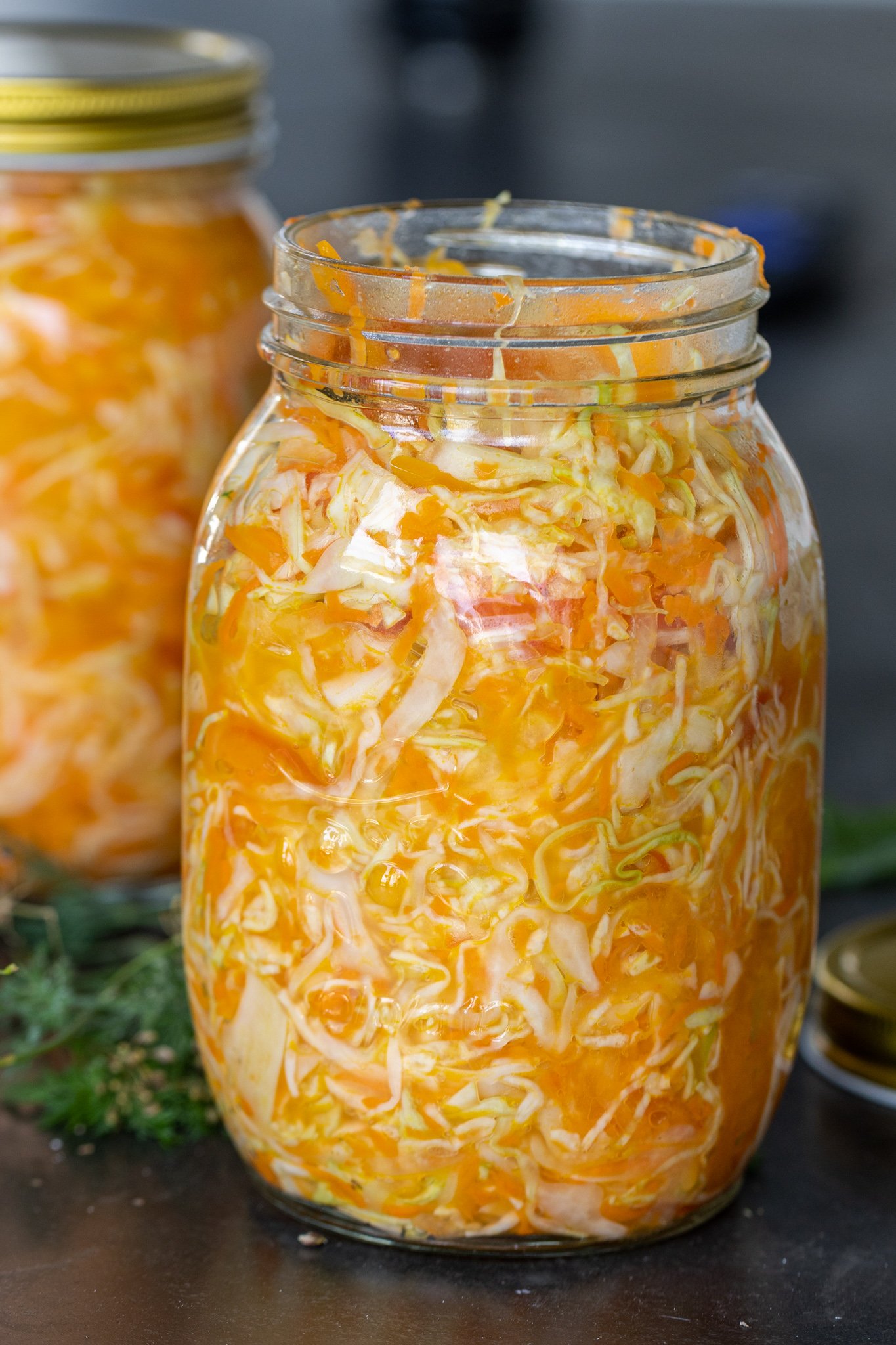
Classic German Sauerkraut (Pickled Cabbage)
A tangy, flavorful dish made with fermented cabbage, perfect as a side dish or appetizer. Traditional in German cuisine, this recipe highlights the natural flavors of cabbage and spices.
🥘Ingredients
- 1 large head green cabbage (~2.5 kg)
- 1 tbsp salt (10g)
- 1 tbsp black peppercorns
- 1 tsp whole cloves
- 1 tsp allspice berries
- 1 bay leaf
- 1.5 liters water
- 1.5 liters apple cider vinegar
- 1 large onion, sliced
- 2 carrots, sliced
- 2 cloves garlic, smashed
- 1 tsp mustard seeds
- 1 tsp whole mustard
- 1 tsp turmeric powder
👨🍳Directions
-
1
Wash the cabbage thoroughly under cold running water to remove any dirt. Cut off the outer leaves and discard them. -
2
Cut the cabbage into quarters, then remove the core. Slice each quarter into thin wedges. -
3
In a large bowl, mix the cabbage wedges with salt. Massage the cabbage for 5-10 minutes to help it release its juices. -
4
Transfer the cabbage to a colander and rinse it under cold water to remove excess salt. Drain well and set aside. -
5
In a large pot, combine water, apple cider vinegar, sliced onion, carrots, garlic, peppercorns, cloves, allspice berries, bay leaf, mustard seeds, whole mustard, and turmeric. Bring to a boil. -
6
Once boiling, reduce heat and simmer for 15 minutes. Remove the pot from heat and let it cool completely. -
7
Pack the cooled cabbage into clean jars or airtight containers, pressing down gently to remove air bubbles. Pour the hot pickling liquid over the cabbage, ensuring it is fully submerged. -
8
Allow the sauerkraut to cool at room temperature for a few hours before refrigerating. Store in the refrigerator for up to 3 months.
🔧Equipment
- Large clean pot
- Colander
- Large bowl
- Clean jars or airtight containers (for storage)
- Cutting board
- Sharp knife
- Measuring cups and spoons
📊Nutrition Facts (per serving)
📝Notes
Tips
- Ensure the cabbage is fully submerged in the liquid to prevent spoilage.
- For a quicker fermentation process, leave the jars at room temperature for 2-3 days before refrigerating.
- Adjust the amount of vinegar and salt based on your preference for tanginess and saltiness.
- Use only high-quality, unpasteurized vinegar for authentic fermentation.
Variations
- Add a pinch of red pepper flakes for a spicy kick.
- Include a few fresh dill sprigs for a fresh, herbal note.
Watch Video Of How Classic German Sauerkraut (Pickled Cabbage) Works
❓ Frequently Asked Questions About German Sauerkraut (Pickled Cabbage)
1. What is the best type of cabbage to use for pickling, and how should I choose the right one?
The best cabbage for pickling is green cabbage (Brassica oleracea var. capitata), as it holds its shape well and develops a tangy flavor. Avoid cabbages that are soft, slimy, or have large holes, as these won’t pickle properly. Look for firm, crisp heads with tightly packed leaves—organic or locally grown cabbage is ideal, but conventional cabbage works too if it’s fresh.
—
2. How long should I soak the cabbage slices before pickling, and why is this step important?
Soak the sliced cabbage in cold water for at least 30 minutes (or up to 2 hours) to remove excess bitterness and chlorophyll. This step is crucial because raw cabbage contains compounds (like oxalates) that can make the pickles taste bitter. The longer you soak, the milder the flavor becomes—just drain and rinse before adding to the brine.
—
3. Can I use vinegar from any source for pickling, and what’s the best ratio for the brine?
Yes, you can use white vinegar (5% acidity), apple cider vinegar (4–5% acidity), or even balsamic vinegar (though it adds a sweeter taste). The classic pickling brine ratio is 1 part vinegar to 1 part water, but you can adjust it:
– For quick pickles (3–5 days), use 1:1 vinegar:water with 1–2 tbsp salt per quart.
– For longer fermentation (1–2 weeks), increase vinegar slightly (e.g., 1.5:1) and add 1 tsp black peppercorns, whole cloves, or mustard seeds for depth.
—
4. How do I prevent the pickled cabbage from becoming soggy or mushy?
To keep pickled cabbage crisp, follow these tips:
– Use thin slices (¼-inch thick) for faster fermentation and better texture.
– Add a pinch of cornstarch or arrowroot powder to the brine (½ tsp per quart) to help retain firmness.
– Press the cabbage tightly in the jar before adding brine to minimize air pockets.
– Store in a cool, dark place (below 70°F/21°C) to slow fermentation and prevent softening.
– Avoid overcrowding jars—leave ½ inch of headspace for gas expansion.
—
5. Can I make pickled cabbage without a pressure canner, and what’s the safe alternative?
Yes! For short-term storage (up to 3 months), you can refrigerate pickled cabbage in a water bath canner (follow USDA guidelines for water bath canning). However, for longer shelf stability (beyond 3 months), refrigeration alone isn’t safe for high-acid foods like pickles. Instead:
– Use fermentation methods (like lacto-fermented pickles) with 0–1% acidity (no vinegar), which lasts 4–6 weeks in the fridge.
– For shelf-stable pickles, ensure the brine reaches 185°F (85°C) for 10 minutes in a water bath canner (use a vinegar-based brine with 4% acidity).
– Never leave pickles unrefrigerated for more than 2 hours.
