
pistachio paste recipe

The Best pistachio paste recipe
I love how versatile it is. You can use it for everyday snacks or for when you’re hosting a party—it’s perfect for dessert tables, charcuterie boards, or even as a topping for yogurt or oatmeal. And the health benefits? Pistachios are packed with heart-healthy fats, protein, and fiber, which makes this paste a great way to get more nutrients without feeling like you’re eating “healthy.” My kids think it’s just as good as candy, but they don’t realize how good it is for them. Plus, it’s easy to make at home, so you’re not relying on store-bought stuff with added sugars or preservatives. It’s a no-fuss way to elevate any dish without overcomplicating things.
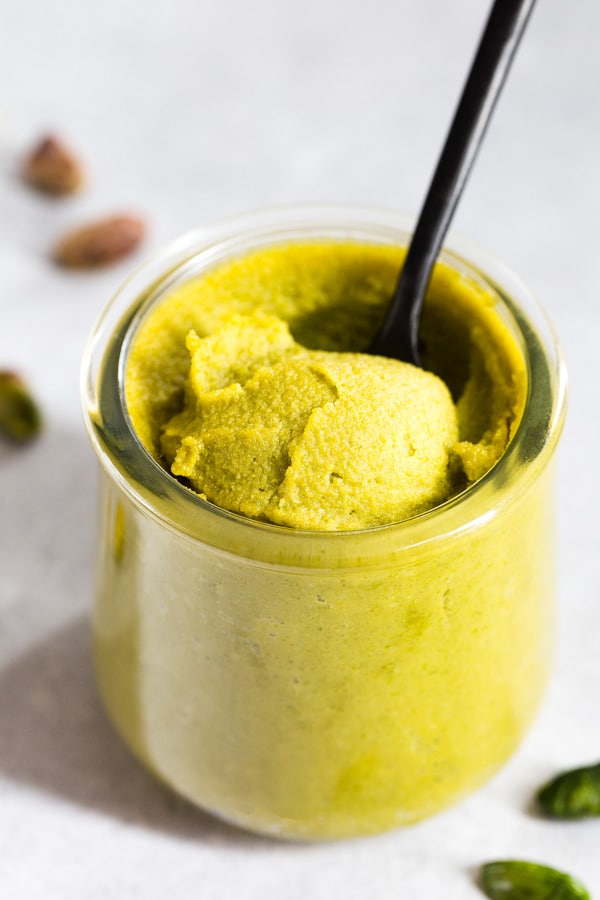
Homemade Pistachio Paste
A rich, creamy pistachio paste perfect for desserts, dips, and garnishes. This recipe yields a smooth, flavorful spread with a nutty depth.
🥘Ingredients
- 2 cups raw shelled pistachios (unsalted)
- 1 cup granulated sugar
- 1/4 cup unsalted butter (softened)
- 1/4 cup heavy cream
- 1 tsp vanilla extract
- Pinch of salt
- 1/2 cup chopped pistachios (for garnish)
- 1/4 cup dark chocolate chunks (for texture)
- 1/2 tsp cinnamon
👨🍳Directions
-
1
Rinse the pistachios under cold water to remove any debris, then pat dry with a clean towel. -
2
In a food processor, pulse the pistachios until they are finely chopped but not completely ground. -
3
Add granulated sugar, softened butter, heavy cream, vanilla extract, and salt. Pulse until smooth and creamy. -
4
For a smoother texture, pulse for 2–3 minutes until the mixture is completely blended. -
5
Transfer the paste to a bowl and cover with plastic wrap. Let it rest at room temperature for 15 minutes. -
6
For optional add-ins, melt dark chocolate in a small saucepan over low heat, then stir into the paste. Let cool slightly. -
7
Transfer the paste to a clean, dry container. Store in the refrigerator for up to 2 weeks or freeze for longer storage.
🔧Equipment
- Food processor or high-speed blender
- Mixing bowl
- Fine-mesh sieve (optional, for straining)
- Small saucepan (for melting chocolate)
📊Nutrition Facts (per serving)
📝Notes
Tips
- Ensure pistachios are shelled and dry to avoid excess moisture.
- For extra richness, add a splash of coconut milk or almond milk.
- Use the paste immediately for best texture or store in an airtight container.
Variations
- Add a pinch of cardamom or nutmeg for a Middle Eastern twist.
- Mix in 1 tbsp of honey or maple syrup for a sweeter flavor.
Watch Video Of How Homemade Pistachio Paste Works
❓ Frequently Asked Questions About Pistachio Paste
1. What is the best way to store pistachio paste to keep it fresh and prevent it from drying out?
Pistachio paste can be stored for several months if kept properly. For short-term storage, store it in an airtight container in the refrigerator for up to 2 months. To extend freshness, you can also freeze it in portions inside a freezer-safe bag or container. When freezing, spread the paste thinly to avoid clumping, and thaw it in the fridge overnight before using.
2. Can I use any type of pistachios for making pistachio paste, or do I need to use specific varieties?
While any shelled pistachio works, the best varieties for pistachio paste are typically the Kerman, Hamdi, or Kalamata pistachios, as they have a rich, buttery flavor and a smooth texture. Avoid pistachios with too much bitterness or a hard shell, as they can affect the final taste. If you can’t find these, non-bitter varieties like Green Persian pistachios are also acceptable, though they may need extra roasting for a smoother flavor.
3. How do I know if my pistachios are properly roasted before making pistachio paste?
Pistachios should be roasted until they are golden brown and fragrant. If they’re too green or have a strong bitter taste, they may need more roasting. A good rule is to roast them at 350°F (175°C) for 8–12 minutes, stirring occasionally, until the shells are crisp and the nuts inside are fragrant. Over-roasting can make the paste bitter, so keep an eye on them.
4. What are some common mistakes to avoid when blending pistachios into paste?
Some common mistakes include:
– Over-blending: Using too much water or oil can make the paste too thin or greasy. Start with just enough liquid to bind the paste, then adjust.
– Skipping the straining step: If you don’t strain the paste, you’ll end up with a chunky texture. A fine-mesh sieve or cheesecloth helps remove excess oil and shells.
– Not cooling the paste properly: If blending hot pistachios, they may release too much oil, leading to a runny consistency. Let them cool slightly before blending.
– Using stale pistachios: Freshly roasted pistachios yield the best paste. Old or stale nuts can make the paste bitter or dry out.
5. Can I add any flavorings or sweeteners to pistachio paste, and how do so without altering its natural taste?
Yes! You can enhance pistachio paste with subtle flavorings while keeping its natural taste intact. Common additions include:
– Vanilla extract (1 tsp per cup of paste) for a delicate sweetness.
– A pinch of sea salt to balance flavors.
– A dash of cinnamon or cardamom for warmth.
– Honey or maple syrup (1–2 tbsp) for natural sweetness.
– A touch of orange zest for brightness.
Always taste as you go—start with small amounts to avoid overpowering the pistachio flavor. For a richer texture, a few drops of pistachio oil can also be added.


