
pork dog food recipe

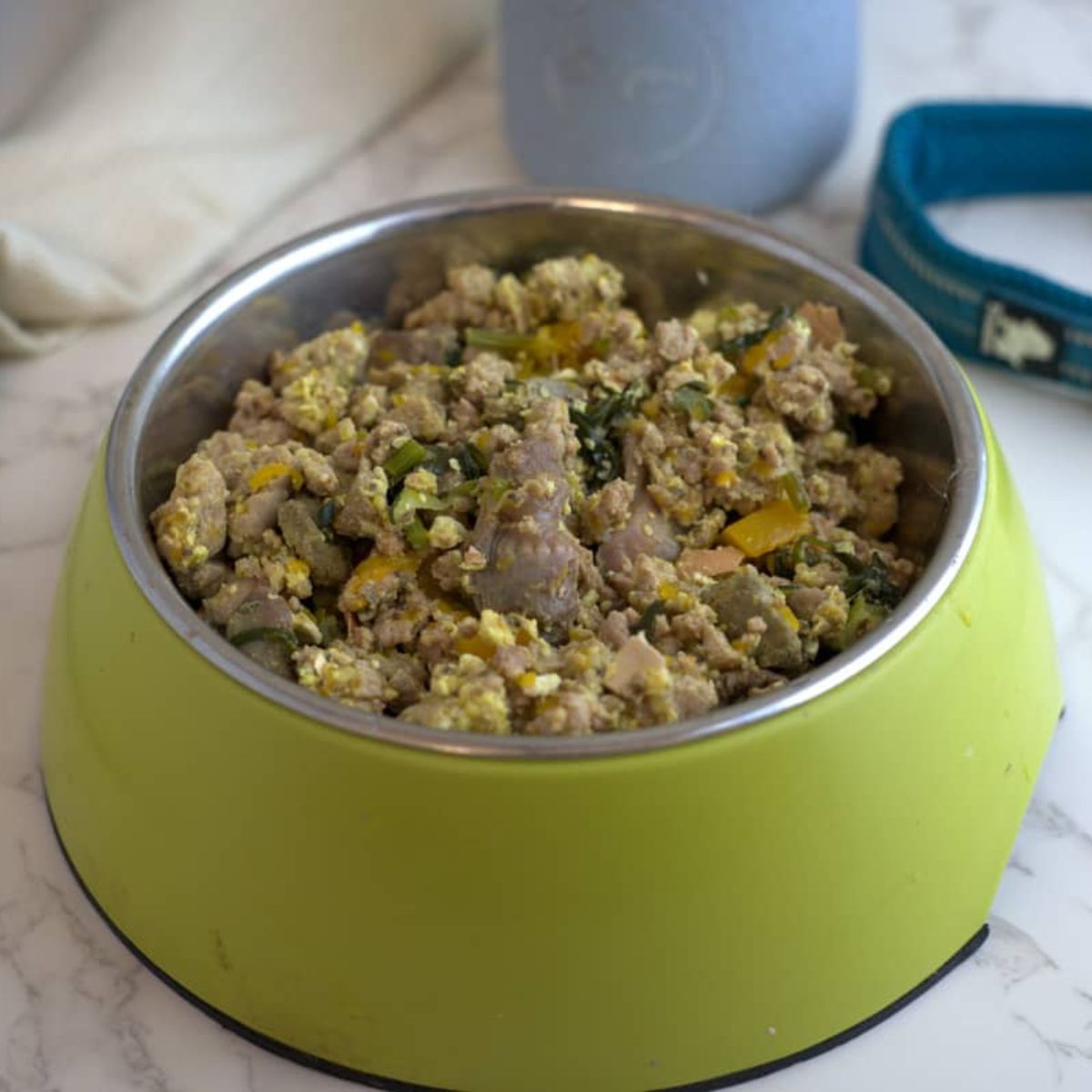
The Best pork dog food recipe
This recipe is perfect for busy weeknights because it comes together fast and makes enough to last a few days. I love that I can tweak it based on what’s in the fridge—sometimes I add sweet potatoes, other times I throw in some green beans. It’s also a lifesaver when we have guests over with dogs, because it’s always a hit. Plus, since it’s homemade, I can avoid all the fillers and preservatives that store-bought food often has. It’s a win for their health and my peace of mind.
The other thing I appreciate is how affordable it is. Pork shoulder is usually budget-friendly, and the rest of the ingredients are pantry staples. It’s a great way to stretch a dollar while still giving my dogs something nutritious. They lick their bowls clean every time, and honestly, that’s all the feedback I need. If you’re looking for a straightforward, healthy option that your dogs will actually enjoy, this is the one to try.
Homemade Pork & Vegetable Dog Food
A balanced, vet-approved dog food recipe featuring lean pork, wholesome vegetables, and essential nutrients. Perfect for adult dogs needing a protein-rich, grain-free meal.
🥘Ingredients
- 1 lb ground pork (lean, unseasoned)
- 1 cup cooked brown rice or quinoa
- 1 cup chopped carrots (steamed or boiled)
- 1 cup chopped green beans (steamed or boiled)
- 1/2 cup chopped spinach (steamed)
- 1/4 cup pumpkin puree (unsweetened)
- 1 tbsp fish oil (for omega-3s)
- 1 tsp calcium carbonate (or crushed eggshell powder)
- 1/2 tsp turmeric (anti-inflammatory)
- 1/4 tsp kelp powder (for iodine)
- 1 multivitamin tablet (dog-specific, crushed)
👨🍳Directions
-
1
Cook the brown rice or quinoa according to package instructions. Set aside to cool. -
2
In a large skillet, cook the ground pork over medium heat until fully browned and no pink remains. Drain excess fat if necessary. -
3
Steam or boil the carrots, green beans, and spinach until tender (about 5-7 minutes). Drain and chop into small, dog-friendly pieces. -
4
In a large mixing bowl, combine the cooked pork, rice/quinoa, vegetables, pumpkin puree, fish oil, and calcium carbonate. Mix thoroughly. -
5
If using optional supplements, add them now and stir well to distribute evenly. -
6
Allow the mixture to cool completely before serving. Store leftovers in airtight containers in the refrigerator for up to 5 days or freeze for up to 3 months.
🔧Equipment
- Large skillet or pot
- Mixing bowl
- Cutting board
- Knife
- Steamer basket (optional)
- Measuring cups and spoons
- Storage containers
📊Nutrition Facts (per serving)
📝Notes
Watch Video Of How Homemade Pork & Vegetable Dog Food Works
❓ Frequently Asked Questions About Pork & Vegetable Dog Food
1. Is pork safe for dogs to eat?
Yes, pork is generally safe for dogs when cooked properly and served in moderation. However, raw or undercooked pork can carry parasites like Trichinella spiralis, which can be harmful. Always ensure pork is fully cooked (no pink inside) and free from seasonings like garlic, onions, or excessive salt, which are toxic to dogs. Lean, unseasoned pork can be a good protein source for most dogs, but consult your vet if your dog has specific dietary restrictions.
2. Can I feed my dog pork every day?
While pork can be part of a balanced diet, it shouldn’t be the sole protein source daily. Dogs need variety in their diet to ensure they get all essential nutrients. Feeding pork too frequently may lead to nutritional imbalances or weight gain, especially if the pork is fatty. Rotate pork with other proteins like chicken, beef, or fish, and follow the 10% rule—treats and extras (including pork) should make up no more than 10% of your dog’s daily caloric intake.
3. What parts of the pork are safe for dogs?
Lean cuts like pork loin, tenderloin, or boneless chops are the safest options for dogs. Avoid fatty cuts (like bacon or ribs), bones (which can splinter and cause choking or internal damage), and processed pork products (like ham or sausages) due to high salt and preservatives. Organ meats like liver can be fed in small amounts but should not exceed 5% of their diet. Always trim excess fat to prevent pancreatitis.
4. How should I prepare pork for my dog?
Cook pork thoroughly by boiling, baking, or steaming—never fry or add oils, butter, or seasonings. Remove all bones, fat, and skin before serving. You can mix cooked, shredded pork with dog-safe vegetables (like carrots, green beans, or sweet potatoes) or plain rice for a balanced meal. Serve in small, bite-sized pieces to prevent choking, and introduce pork gradually to monitor for allergies or digestive upset.
5. Are there any dogs that shouldn’t eat pork?
Dogs with certain health conditions may need to avoid pork. For example:
– Pancreatitis-prone dogs: Pork’s fat content can trigger flare-ups.
– Dogs with food allergies: Pork is a common allergen; watch for itching, ear infections, or digestive issues.
– Dogs with kidney disease: High-protein diets (including pork) may strain their kidneys.
– Puppies or senior dogs: Their digestive systems may be more sensitive; consult a vet before introducing pork.
Always introduce new foods slowly and consult your veterinarian if your dog has underlying health concerns.

