
pork lo mein recipe


The Best pork lo mein recipe
One of the best things about pork lo mein is how adaptable it is. You can tweak the ingredients to fit what’s on hand, and the sauce can be adjusted to taste—spicier, sweeter, or lighter depending on what you prefer. It’s also surprisingly balanced in a way that makes it feel both comforting and fresh. The noodles soak up the flavor, the pork stays juicy, and the veggies add a nice crunch. It’s not just a meal; it’s a way to feed people without overcomplicating things. And honestly, it’s one of those dishes that’s easy to make ahead and reheat, so it’s great for meal prep too. Plus, the way the noodles caramelize a little when you stir-fry them gives it that perfect texture—crispy outside, tender inside. It’s a dish that’s simple, but it’s also full of flavor, and that’s what makes it special.
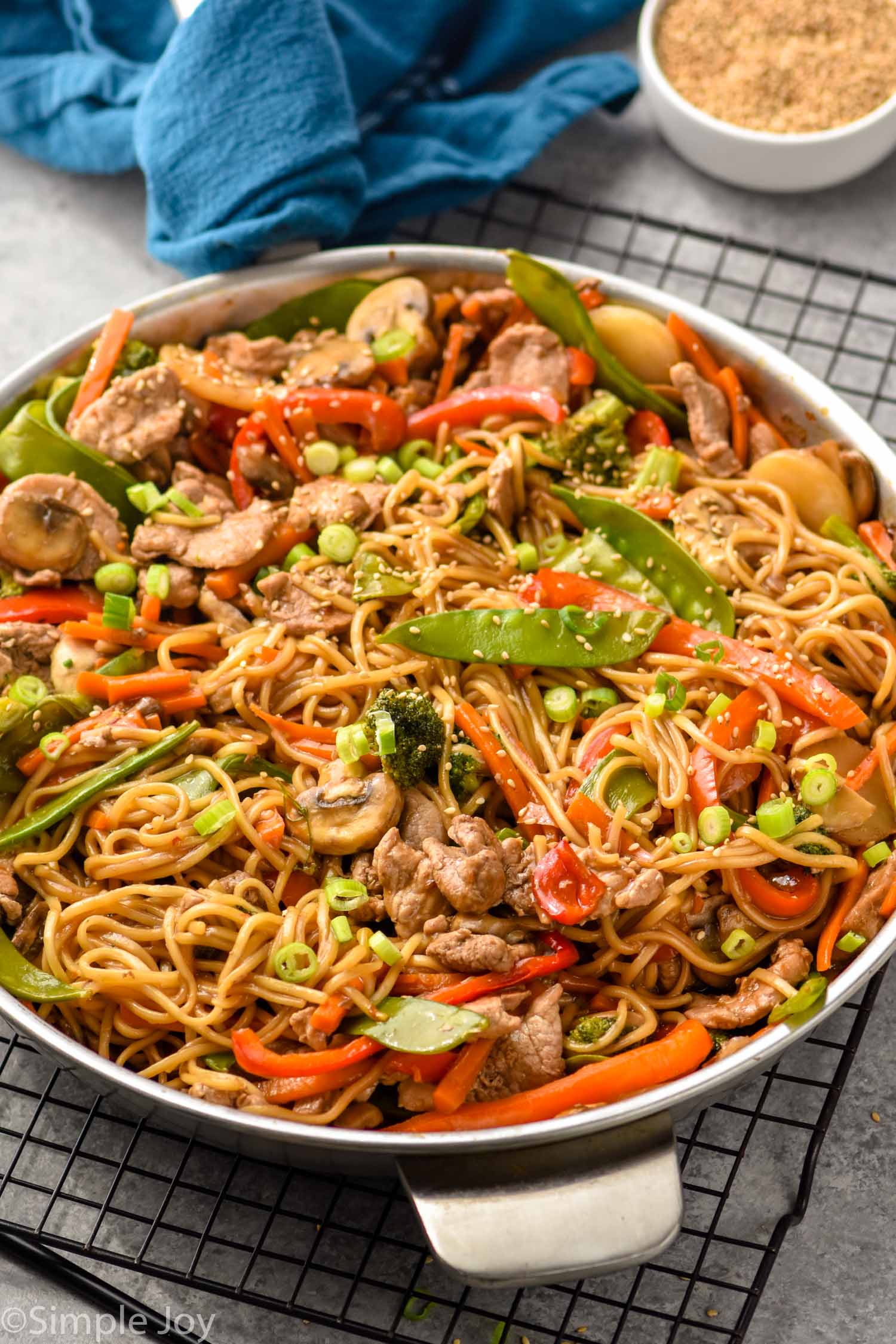
Classic Pork Lo Mein
A comforting stir-fry with tender pork, crisp noodles, and savory sauce. Perfect for a quick weeknight dinner.
🥘Ingredients
- 1 lb pork shoulder, thinly sliced
- 1 tbsp vegetable oil
- 8 oz fresh egg noodles
- 1 tbsp sesame oil
- 1 cup soy sauce
- 1 tbsp oyster sauce
- 1 tbsp brown sugar
- 1 tbsp rice vinegar
- 1 clove garlic, minced
- 1 tsp ginger, grated
- 1 green bell pepper, sliced
- 1 carrot, julienned
- 1 cup bean sprouts
👨🍳Directions
-
1
Cook egg noodles according to package instructions until al dente. Drain, rinse with cold water, and set aside. -
2
Heat vegetable oil in a stir-fry pan over medium-high heat. Add sliced pork and cook until browned and cooked through (about 5 minutes). Remove and set aside. -
3
In the same pan, add sesame oil, garlic, and ginger. Stir for 30 seconds until fragrant. Add bell pepper, carrot, and bean sprouts. Stir-fry for 4-5 minutes until vegetables are tender-crisp. -
4
Return pork to the pan. Add soy sauce, oyster sauce, brown sugar, and rice vinegar. Stir well to combine and cook for 2 minutes until sauce thickens. -
5
Add cooked noodles to the pan and toss everything together. Cook for another 2 minutes until noodles are coated in the sauce.
🔧Equipment
- Stir-fry pan
- Cutting board
- Knife
- Measuring cups
📊Nutrition Facts (per serving)
📝Notes
Watch Video Of How Classic Pork Lo Mein Works
❓ Frequently Asked Questions About Pork Lo Mein
How do I adjust the sauce for a tangier flavor?
You can boost the tang by adding a splash of rice vinegar or a teaspoon of soy sauce with a hint of sesame oil. Stir it in after cooking the noodles to let the flavors meld. If you prefer a sharper kick, a small amount of chili flakes or a dash of sriracha also works well.
Can I use fresh ginger instead of the pre-minced ginger?
Yes, you can substitute fresh ginger by grating about 1 tablespoon of it into the stir-fry. The texture will be slightly coarser, but the flavor will be just as vibrant. If you’re using a lot of ginger, finely chop it first for better integration.
What if I don’t have tamari or coconut aminos for the soy sauce substitute?
For a quick alternative, use regular soy sauce mixed with a little water (about 1:1 ratio) to dilute it. This won’t change the color much, but the umami will still shine through. If you’re aiming for a gluten-free option, a store-bought tamari substitute like coconut aminos is the closest match.
How should I store leftovers to keep them fresh?
Cool the lo mein quickly by transferring it to an airtight container within an hour of cooking. Store in the fridge for up to 4 days. To reheat, warm it in a pan over medium heat, adding a splash of water or broth to prevent sticking. Freezing is also an option—let it cool completely before storing in a freezer bag for up to 3 months.
Why do the pork slices look so dry when they’re done?
Dry pork can happen if it’s not cooked through properly or if it’s overcrowded in the pan. To prevent this, pat the pork dry before cooking and cook it in batches if needed. Use a hot pan and a small amount of oil to ensure even browning. If the pork is still undercooked, let it rest for 2–3 minutes before slicing.

