
powder sugar glaze recipe

The Best powder sugar glaze recipe
I love this recipe because it’s foolproof—no fancy tools, no mess, and it keeps things crisp and sweet without clumping. It’s the perfect way to add a touch of elegance to anything from cookies to donuts, and it’s easy to adjust the sweetness if you prefer it a little less intense. Plus, it’s a great way to use up powdered sugar that might otherwise go to waste. It’s a staple in my kitchen because it’s quick, reliable, and always turns out just right.
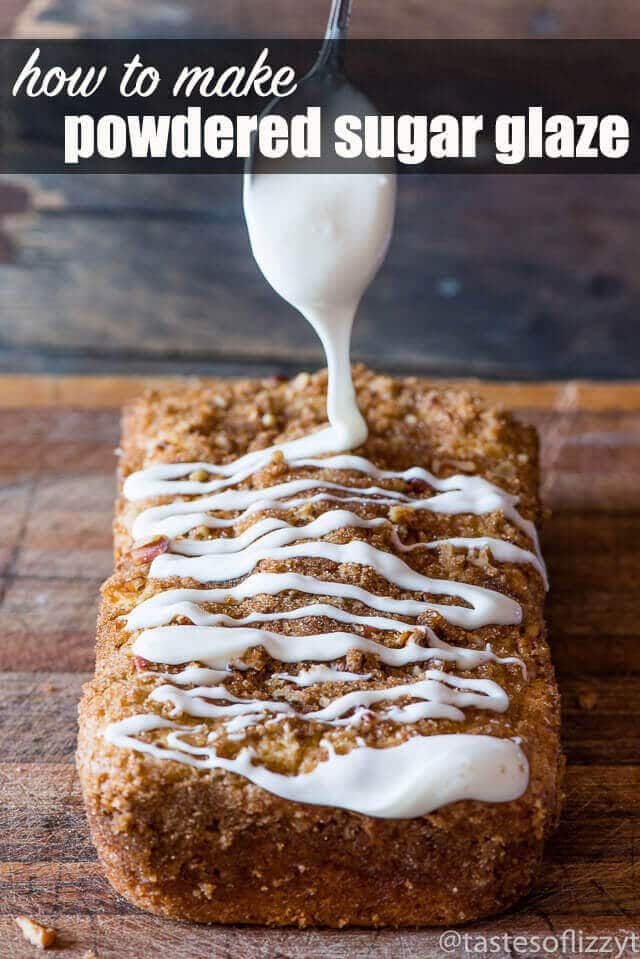
Classic Powdered Sugar Glazed Baked Goods
A simple yet elegant glaze that adds a sweet, glossy finish to baked treats like cakes, cookies, or brownies. Perfect for elevating store-bought or homemade desserts with just a few ingredients.
🥘Ingredients
- 1 cup powdered sugar
- 2 tablespoons unsalted butter
- 1 tablespoon heavy cream
- 1 teaspoon vanilla extract
👨🍳Directions
-
1
Preheat your oven to 350°F (175°C). If you’re testing the glaze consistency, line a baking sheet with parchment paper. -
2
In a small bowl, whisk together the powdered sugar, butter, heavy cream, and vanilla extract until smooth and fully combined. The mixture should be thick but pourable. -
3
Drizzle or brush the glaze evenly over baked goods like cakes, cookies, or brownies. For a glossy finish, let it sit for 5–10 minutes before serving.
🔧Equipment
- Mixing bowl
- Whisk
- Baking sheet (optional, for testing glaze consistency)
📊Nutrition Facts (per serving)
📝Notes
Watch Video Of How Classic Powdered Sugar Glazed Baked Goods Works
❓ Frequently Asked Questions About Powdered Sugar Glazed Baked Goods
1. What is powder sugar used for in this glaze?
Powder sugar adds a delicate, fine texture to the glaze, helping it cling smoothly to baked goods without a sticky residue. It also enhances sweetness and ensures a glossy finish, especially for delicate pastries like cookies or cakes.
2. Can I substitute granulated sugar for powder sugar in this recipe?
While you can use granulated sugar, the texture and consistency of the glaze will differ. Granulated sugar may create a slightly grainier finish and can make the glaze less sticky. For best results, stick to powder sugar unless you adjust the ratio to account for its finer particles.
3. How do I know when the glaze is ready to brush on?
The glaze is ready when it’s cool enough to handle (about 10–15 minutes after mixing) and has a smooth, spreadable consistency. It should coat the back of a spoon without clumping. If it’s too thick, add a splash of water or milk to thin it slightly.
4. What if my baked goods are too dry after applying the glaze?
If your treats turn out dry, the glaze may have absorbed moisture too quickly. To fix this, let them cool completely before glazing, and brush on the glaze in a thin, even layer. For extra moisture, lightly mist the baked item with water before applying the glaze.

