
prime rib reverse sear recipe


The Best prime rib reverse sear recipe
I have been making prime rib for years, and the reverse sear method is the only way I do it now. It gives you a perfectly cooked roast from edge to edge, with a beautiful brown crust on the outside. My family absolutely loves it for holiday dinners and special Sunday meals, and even my kids ask for seconds. The best part is how forgiving this method is you get a consistent medium rare every time without any guesswork. Plus, prime rib is a great source of protein and iron, making it a satisfying and nourishing main dish for any gathering.
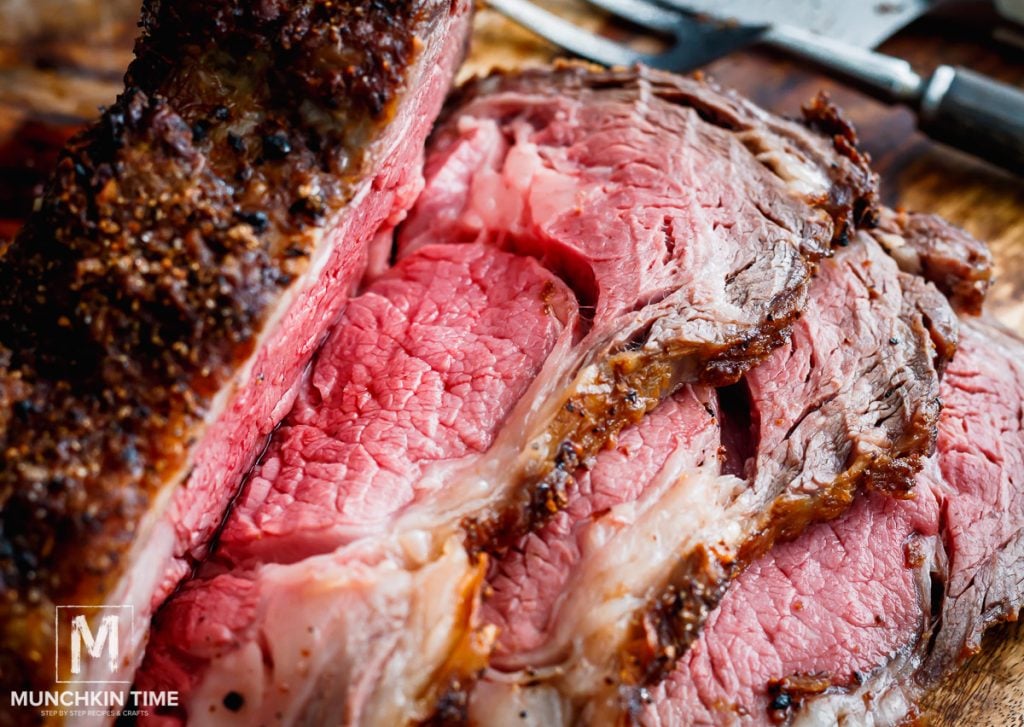
Perfect Prime Rib Reverse Sear
This prime rib is cooked low and slow first, then seared at high heat for a perfect crust. The reverse sear method ensures an evenly cooked roast that is tender and juicy every time.
🥘Ingredients
For the Roast
👨🍳Directions
🔧Equipment
📊Nutrition Facts (per serving)
📝Notes
Watch Video Of How Perfect Prime Rib Reverse Sear Works
This reverse sear prime rib recipe is always a good idea for holidays, birthdays, or any family dinner where you want to impress. It works perfectly for large gatherings because you can set it and forget it, and the results are consistently delicious. I hope you give it a try and enjoy it with your loved ones.
❓ Frequently Asked Questions About Prime Rib Reverse Sear
1. What is the reverse sear method for prime rib?
The reverse sear method involves cooking the prime rib at a low temperature first, then searing it at a high heat at the end. This gives you a more evenly cooked roast with a perfect crust.
2. How long does it take to cook prime rib using the reverse sear?
For a 5 to 6 pound roast at 250 degrees F, it takes about 3 to 3 1/2 hours to reach medium rare. Then you rest it for 30 minutes and sear it for a few minutes.
3. What internal temperature should I aim for?
For medium rare, pull the roast out of the oven when it reaches 120 degrees F. It will continue cooking to about 125 degrees during the rest. For medium, aim for 130 degrees F before resting.
4. Do I need to let the prime rib rest?
Yes, resting is very important. Let the roast rest for at least 30 minutes after the low temperature cook. This allows the juices to redistribute so the meat stays tender.
5. Can I use a boneless prime rib for this recipe?
Yes, you can use a boneless roast. The cooking time will be slightly shorter, so check the internal temperature earlier.


