
raspberry sauce recipe

The Best raspberry sauce recipe
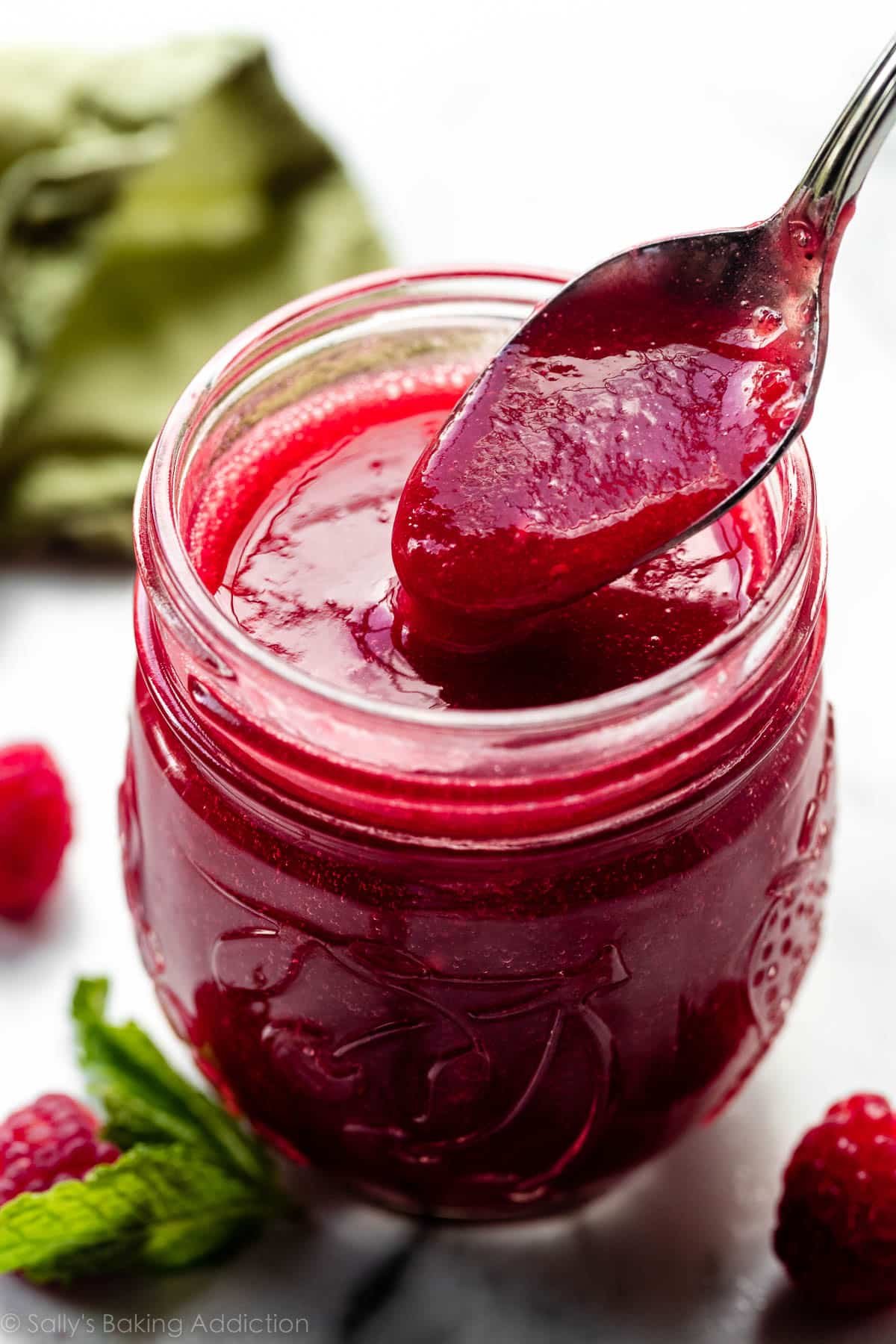
Classic Homemade Raspberry Sauce
A rich, vibrant raspberry sauce perfect for desserts, cheese platters, or as a topping for yogurt and pancakes. This recipe yields a thick, flavorful sauce with minimal effort.
🥘Ingredients
- 2 cups fresh raspberries (or frozen, thawed)
- 1/2 cup granulated sugar (adjust to taste)
- 1/4 cup water
- 1 tsp lemon juice (fresh or bottled)
- 1/2 tsp vanilla extract (optional)
👨🍳Directions
-
1
In a saucepan, combine raspberries, sugar, water, and lemon juice. Stir well to ensure all sugar dissolves. -
2
Bring the mixture to a gentle simmer over medium heat. Reduce heat to low and let it cook uncovered for about 30-40 minutes, stirring occasionally, until the mixture thickens and raspberries break down. -
3
If you prefer a smoother sauce, strain the mixture through a fine-mesh sieve to remove any seeds or pulp. Return the strained sauce to the pan if needed. -
4
Add vanilla extract (if using) and stir gently. Taste and adjust sweetness if necessary by adding a bit more sugar.
🔧Equipment
- Heavy-bottomed saucepan
- Wooden spoon
- Fine-mesh strainer (optional)
- Mixing bowl
📊Nutrition Facts (per serving)
📝Notes
Tips
- For a deeper flavor, add a pinch of cinnamon or a splash of balsamic vinegar.
- Use fresh raspberries for the best texture and flavor. Frozen raspberries work well too.
- Store the sauce in an airtight container in the refrigerator for up to 2 weeks.
Watch Video Of How Classic Homemade Raspberry Sauce Works
❓ Frequently Asked Questions About Raspberry Sauce
What is the best way to prepare fresh raspberries for making raspberry sauce?
To prepare fresh raspberries for raspberry sauce, start by rinsing them gently under cold water to remove any dirt or debris. Then, remove any stems or leaves with your fingers or a spoon. For a smoother sauce, you can lightly crush the raspberries with a fork or a potato masher before cooking.
—
How do I adjust the sugar ratio in the raspberry sauce recipe if I prefer a sweeter or less sweet version?
If you prefer a sweeter sauce, increase the sugar gradually—start with an extra tablespoon and taste as you go. For a less sweet version, reduce the sugar by a tablespoon or two, ensuring the raspberries still cook down properly. The key is balancing sweetness with acidity (like lemon juice) to enhance flavor.
—
Can I use frozen raspberries instead of fresh ones, and if so, how do they compare in taste?
Yes, you can use frozen raspberries, but they may release slightly more water during cooking, which can dilute the sauce. To compensate, add a little more sugar (about 1–2 teaspoons extra) and simmer longer to thicken. The flavor will be similar, but frozen raspberries might have a slightly less vibrant taste due to freezing and thawing.
—
Why is my raspberry sauce too thin, and how can I fix it?
A thin sauce often happens because raspberries release a lot of juice when cooked. To thicken it, reduce the liquid by simmering uncovered on low heat for 10–15 minutes. You can also stir in a small amount of cornstarch mixed with water (1 tbsp cornstarch + 2 tbsp water) and cook until it thickens. Avoid boiling vigorously, as it can break down the sauce’s structure.
—
What are some creative ways to serve raspberry sauce beyond traditional desserts?
Raspberry sauce isn’t just for desserts! Try spreading it on grilled chicken or fish, drizzling over roasted vegetables (like Brussels sprouts or sweet potatoes), or using it as a glaze for meats like pork or lamb. It also pairs beautifully with cheese platters, especially with brie, goat cheese, or blue cheese. For savory dishes, mix it with yogurt for a tangy dip or use it in marinades for grilled meats.
