
recipe for kidney beans

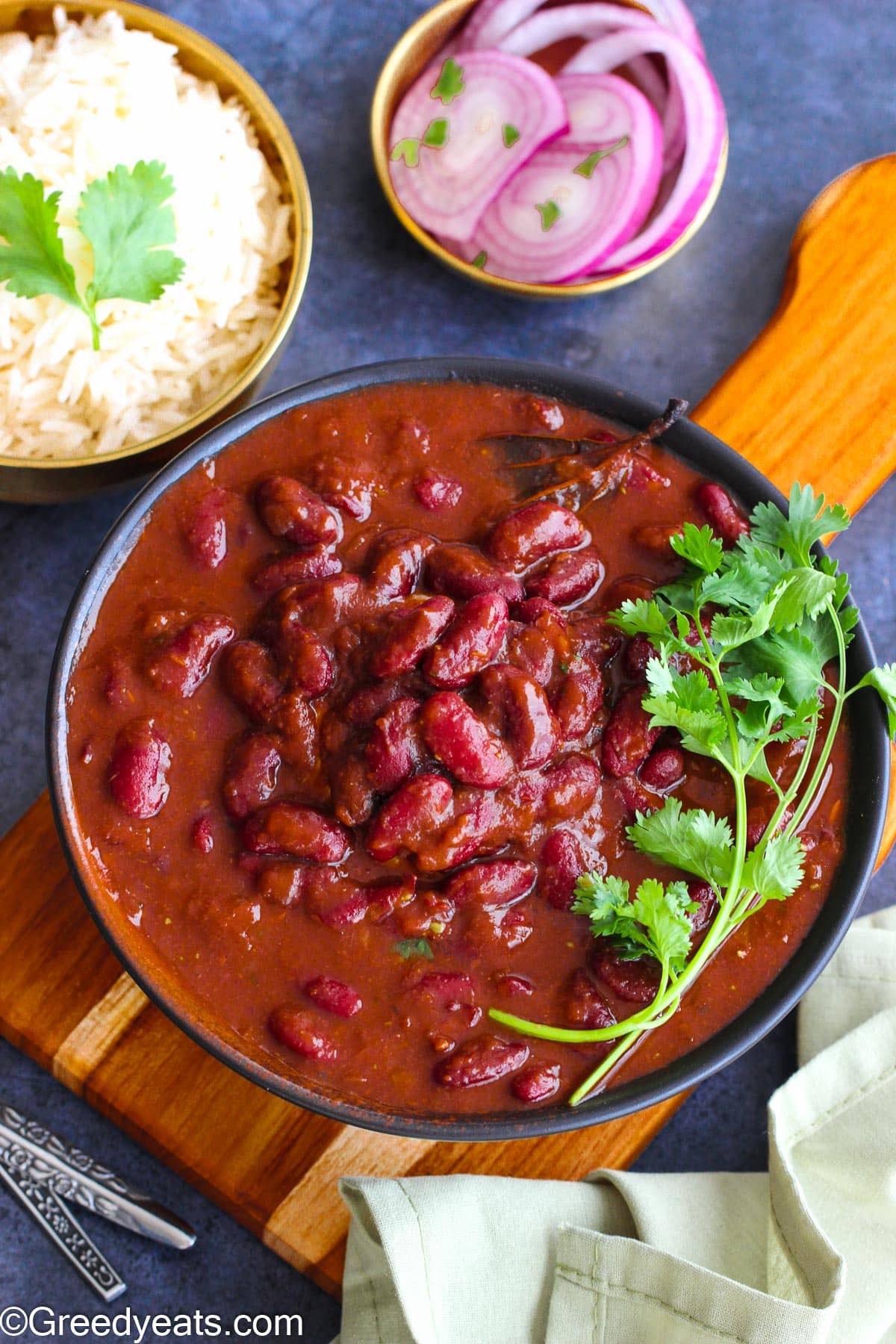
The Best recipe for kidney beans
Kidney beans are one of my favorite ingredients because they’re not only delicious but also incredibly nutritious. They’re loaded with protein and fiber, which keeps everyone full and energized, and they’re a great way to add plant-based protein to our meals. I also love that this recipe is budget-friendly—it stretches a long way without sacrificing flavor. Whether I’m cooking for my family or bringing a dish to a potluck, this kidney bean recipe is always a hit. It’s one of those go-to meals that I know I can rely on, and I’m always happy to share it with anyone who asks.
Spicy Kidney Bean Curry
A flavorful and hearty kidney bean curry with aromatic spices, perfect for a comforting meal. This dish pairs well with rice or naan bread and is packed with protein and fiber.
🥘Ingredients
- 1 tbsp olive oil
- 1 large onion, finely chopped
- 3 garlic cloves, minced
- 1 tbsp ginger, grated
- 1 green chili, finely chopped (optional)
- 1 tsp ground cumin
- 1 tsp ground coriander
- 1 tsp turmeric
- 1 tsp garam masala
- 1 tsp chili powder (adjust to taste)
- 1 can (14 oz) diced tomatoes
- 2 cans (15 oz each) kidney beans, drained and rinsed
- 1 cup vegetable broth
- 1 tsp salt (or to taste)
- 1/2 cup coconut milk (optional for creaminess)
- Fresh cilantro, chopped (for garnish)
- Cooked basmati rice or naan bread
- Lemon wedges
👨🍳Directions
-
1
Heat olive oil in a large skillet or pot over medium heat. Add the chopped onion and sauté until soft and golden, about 5 minutes. -
2
Add the minced garlic, grated ginger, and green chili (if using). Sauté for another 1-2 minutes until fragrant. -
3
Stir in the ground cumin, coriander, turmeric, garam masala, and chili powder. Cook for 1 minute, stirring constantly to toast the spices. -
4
Add the diced tomatoes (with juice) and cook for 3-4 minutes, stirring occasionally, until the tomatoes break down slightly. -
5
Pour in the vegetable broth and add the kidney beans. Stir well to combine. Bring the mixture to a simmer. -
6
Reduce the heat to low, cover, and let the curry simmer for 15 minutes, stirring occasionally. If using coconut milk, stir it in now. -
7
Taste and adjust the seasoning with salt if needed. Garnish with fresh cilantro. -
8
Serve hot with cooked basmati rice or naan bread, and lemon wedges on the side.
🔧Equipment
- Large skillet or pot
- Wooden spoon
- Cutting board
- Knife
- Measuring spoons
📊Nutrition Facts (per serving)
📝Notes
Watch Video Of How Spicy Kidney Bean Curry Works
❓ Frequently Asked Questions About Spicy Kidney Bean Curry
1. How long should I soak kidney beans before cooking?
Soaking kidney beans is essential to reduce cooking time and improve digestibility. You can soak them overnight (8–12 hours) in plenty of water. For a quicker method, use the hot soak technique: boil the beans for 2 minutes, then let them sit off the heat for 1–2 hours. Always discard the soaking water to reduce gas-causing compounds.
2. Can I cook kidney beans without soaking them?
Yes, but it will take much longer—usually 1.5 to 2 hours of simmering. Unsoaked beans may also have a slightly tougher texture and can cause more digestive discomfort. If skipping the soak, ensure they’re fully submerged in water and simmer gently to avoid splitting.
3. How do I know when kidney beans are fully cooked?
Kidney beans are done when they’re tender but not mushy—you should be able to crush one easily between your fingers or with a fork. Taste-test a few beans to check for doneness. Undercooked beans can be toxic, so ensure they’re fully soft before eating.
4. Why do my kidney beans take so long to cook?
Several factors can extend cooking time: older beans (they dry out over time), hard water (minerals slow softening), or acidic ingredients (like tomatoes or vinegar) added too early. To speed things up, use fresh beans, soft water, and add acidic ingredients only after the beans are tender.
5. Can I freeze cooked kidney beans?
Absolutely! Cool the beans completely, then portion them into airtight containers or freezer bags, leaving a little space for expansion. They’ll keep for up to 6 months. Thaw in the fridge overnight or use them frozen in soups and stews—just add a few extra minutes to the cooking time.


