
recipe for making rasam

The Best recipe for making rasam
One of the best things about rasam is how adaptable it is. It’s great for everyday eating because it’s light yet satisfying, and it’s also fantastic for special occasions—like a potluck or a family gathering—because it’s flavorful without being heavy. Plus, it’s packed with ingredients that are actually good for you. The tomatoes bring in vitamin C, the ginger and turmeric have anti-inflammatory properties, and the spices like cumin and coriander add nutrients without making it complicated. It’s a way to eat well without feeling like you’re doing some kind of health regimen. And honestly, the fact that it takes less than an hour to make means there’s no excuse not to serve it up whenever we want. It’s that kind of dish that feels like a little bit of home, no matter where you are.
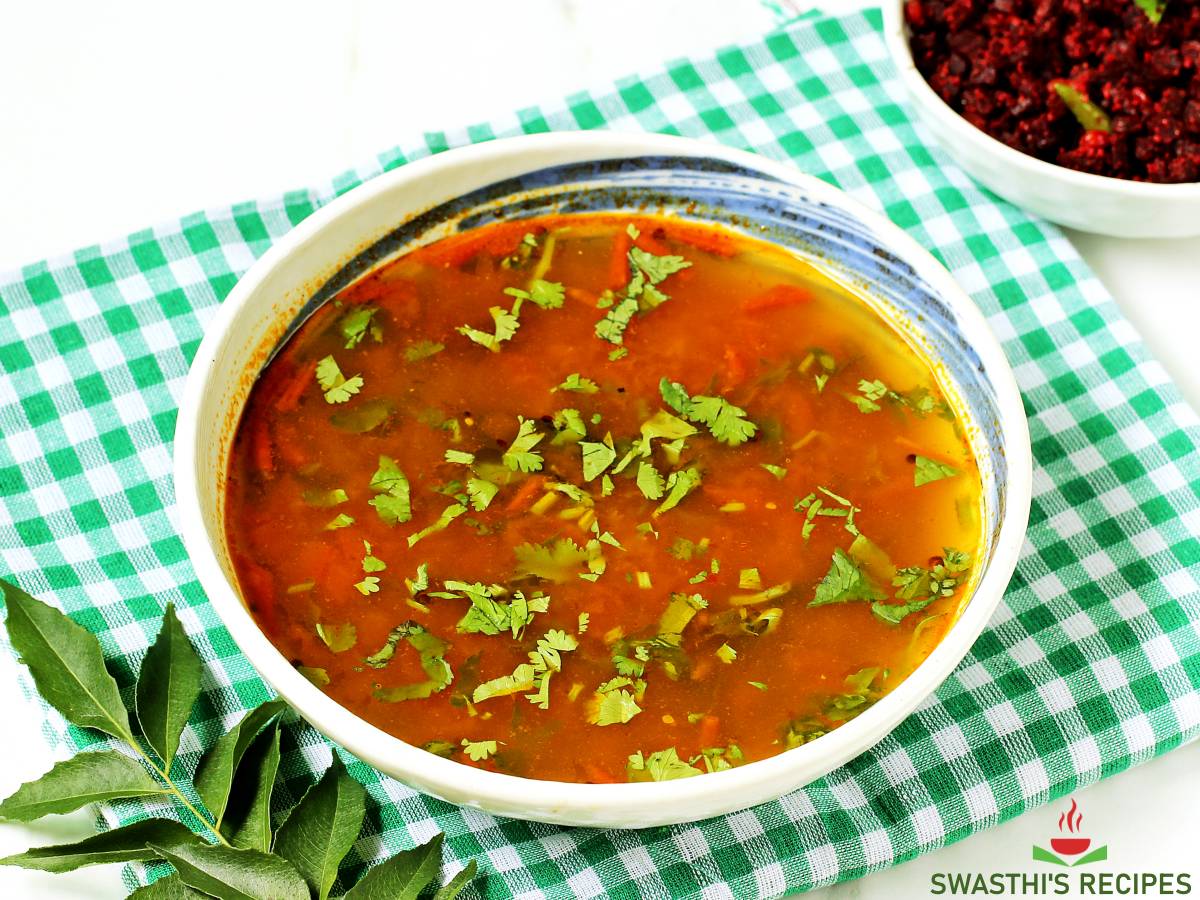
Easy Rasam: A Flavorful South Indian Soup
A comforting rasam recipe that balances tangy tomato sauce with aromatic spices and a light, fluffy dough for serving. Perfect for a quick weeknight meal.
🥘Ingredients
- 1 large onion, finely chopped
- 2 cloves garlic, minced
- 1-inch ginger, grated
- 1 green chili, slit
- 1 cup tomato sauce
- 1 tsp red chili powder
- 1 tsp turmeric powder
- 1 tsp coriander powder
- 1 tsp cumin seeds
- 1 tsp fenugreek leaves (kasuri methi)
- 1 cup water
- 1 tbsp lemon juice
- 2 cups all-purpose flour
- 1 tsp salt
- 1/4 cup warm water
👨🍳Directions
-
1
In a small saucepan, heat cumin seeds and green chili in 1 tbsp oil over medium heat until fragrant. Add chopped onion, garlic, and ginger; sauté until golden brown. -
2
Stir in red chili powder, turmeric, and coriander powder. Cook for 1 minute. Add tomato sauce, fenugreek leaves, and water. Simmer for 10 minutes until thickened. -
3
For the dough, mix flour and salt in a bowl. Gradually add warm water while kneading until smooth and pliable. Cover and rest for 10 minutes. -
4
Roll the dough into thin, flat circles. Place a ladle of hot rasam in each bowl and roll the dough over it to create a cup. Serve immediately with steamed rice.
🔧Equipment
- Large pot
- Small saucepan
- Mixing bowls
- Wooden spoon
- Fine sieve
📊Nutrition Facts (per serving)
📝Notes
- For extra depth, add a pinch of black pepper and a dash of salt to the rasam before serving.
- Use whole wheat flour for a gluten-free option.
- Adjust chili heat by reducing or increasing red chili powder.
Watch Video Of How Easy Rasam: A Flavorful South Indian Soup Works
❓ Frequently Asked Questions About Rasam: A Flavorful South Indian Soup
1. What is the key difference between regular rasam and coconut rasam?
Regular rasam typically relies on tamarind and black pepper for flavor, while coconut rasam incorporates grated coconut to add richness and a milder, slightly sweet taste. The coconut version often uses less chili and more spices like cardamom, cloves, and cinnamon to balance the flavors.
2. Can I make rasam without using tamarind?
Yes, you can substitute tamarind with lemon juice or lime juice for a tangy base. Some versions also use a small amount of vinegar to replicate the sourness. However, tamarind is traditional and adds depth to the flavor profile.
3. How do I adjust the spice level if I don’t like it too hot?
To reduce heat, start with fewer red chili powder or green chilies. If using fresh chilies, remove the seeds and membranes for less spiciness. You can also add a pinch of sugar or a splash of yogurt to cool the dish.
4. What’s the best way to store leftover rasam?
Store leftover rasam in an airtight container in the refrigerator for up to two days. To reheat, warm it gently on low heat, stirring occasionally, and avoid boiling to preserve the flavors. Consume within a day for the best texture and taste.
