
recipe for maple syrup

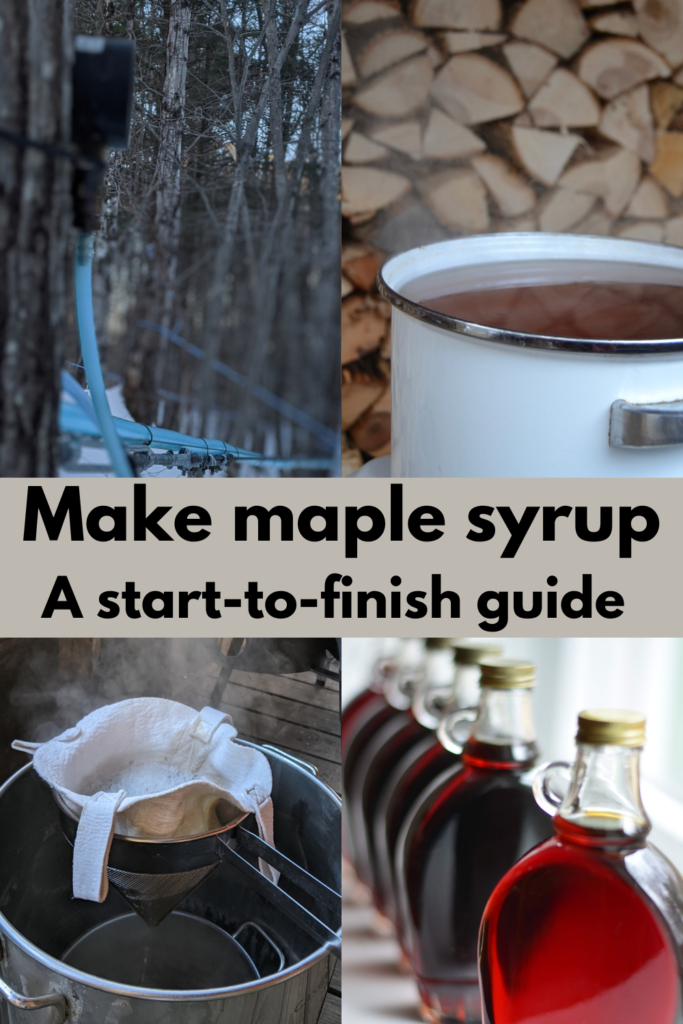
The Best recipe for maple syrup
What I love most about this recipe is how versatile it is. It’s not just for special occasions—it’s perfect for everyday use, too. A little goes a long way, so a single batch lasts us weeks. And the best part? It’s actually healthier than the corn syrup-heavy syrups you find in most grocery stores. Real maple syrup has antioxidants and minerals like manganese and zinc, which makes me feel a little less guilty about letting the kids pour it on thick. It’s one of those small upgrades that makes a big difference in how we eat, and I always keep some on hand because it’s just that good.
Homemade Maple Syrup
A rich and natural maple syrup made from fresh maple sap, perfect for drizzling over pancakes, waffles, or desserts. This simple process transforms sap into a sweet, amber syrup with a deep, caramelized flavor.
🥘Ingredients
- 10 gallons fresh maple sap (or 4 liters for a smaller batch)
- 1/4 tsp baking soda (optional, to reduce foam)
👨🍳Directions
-
1
Collect fresh maple sap from sugar maple trees in late winter or early spring. Ensure the sap is clear and free of debris. Store in a cool place until ready to use. -
2
Set up your evaporator pan or large pot outdoors or in a well-ventilated area (boiling sap produces steam). Pour the sap into the pan, filling it no more than 2/3 full to prevent boiling over. -
3
Begin boiling the sap over medium-high heat. As the water evaporates, the sap will reduce and darken. Skim off any foam that rises to the surface using a wooden spoon or skimmer. -
4
Monitor the temperature closely. The sap will turn into syrup when it reaches 7°F (4°C) above the boiling point of water (typically 219°F or 104°C). This ensures the correct sugar concentration (about 66-67% sugar). -
5
Once the syrup reaches the desired temperature, remove it from heat immediately to prevent overcooking. Strain the syrup through a fine-mesh strainer or cheesecloth to remove any impurities. -
6
Let the syrup cool slightly, then pour it into sterilized glass jars or bottles. Seal tightly and store in the refrigerator for up to 6 months, or freeze for longer storage.
🔧Equipment
- Large stainless steel pot or evaporator pan
- Thermometer (candy or deep-fry thermometer)
- Fine-mesh strainer or cheesecloth
- Clean glass jars or bottles for storage
- Ladle
- Wooden spoon or skimmer
📊Nutrition Facts (per serving)
📝Notes
Watch Video Of How Homemade Maple Syrup Works
❓ Frequently Asked Questions About Maple Syrup
1. What type of maple tree is best for making maple syrup?
The sugar maple (Acer saccharum) is the best tree for making maple syrup because it has the highest sugar content in its sap, typically around 2-3%. Other maples like red maple or black maple can also be used, but their sap has a lower sugar concentration, requiring more boiling to produce syrup.
2. How much sap is needed to make one gallon of maple syrup?
It takes about 40 gallons of maple sap to produce one gallon of maple syrup. The exact amount depends on the sugar content of the sap—higher sugar content means less sap is needed. For example, sap with 2% sugar requires more boiling than sap with 3% sugar.
3. What is the best time of year to collect maple sap?
Maple sap is typically collected in late winter or early spring, when daytime temperatures rise above freezing (around 40°F/4°C) and nighttime temperatures drop below freezing. This temperature fluctuation creates pressure in the tree, allowing sap to flow. The season usually lasts 4-6 weeks.
4. How do you boil sap into syrup without burning it?
To avoid burning, use a large, shallow pan (like an evaporator) to increase surface area and speed up evaporation. Keep the heat at a steady, moderate level and stir frequently. As the sap thickens, reduce the heat and monitor the temperature closely—syrup is ready when it reaches 219°F (104°C) or 7°F above the boiling point of water.
5. How should maple syrup be stored to keep it fresh?
Store unopened maple syrup in a cool, dark place. Once opened, refrigerate it to prevent mold growth. For long-term storage, freeze the syrup in airtight containers—it won’t freeze solid and can last indefinitely. If mold appears, boil the syrup for 10 minutes before reusing.


