
sourdough rye bread recipe

The Best sourdough rye bread recipe
I love this recipe because it’s versatile too. It works for every occasion—whether you’re hosting a dinner party, making a quick lunch for the kids’ school lunches, or just craving something wholesome after a long day. The rye gives it that deep, earthy flavor that stands up to everything from simple butter and jam to heartier spreads like avocado and smoked salmon. And because it’s made with sourdough starter, it’s naturally gluten-free in parts and low in additives, which is a big plus for anyone watching their intake. My husband even says it’s the only bread he’ll eat if it’s not homemade, and my kids swear by it for their sandwiches. It’s that kind of reliable, comforting food that doesn’t just fill you up—it makes you feel like you’re doing something good for your body and your family. Plus, there’s nothing quite like the smell of a fresh-baked loaf wafting through the house, especially when it’s made with love.
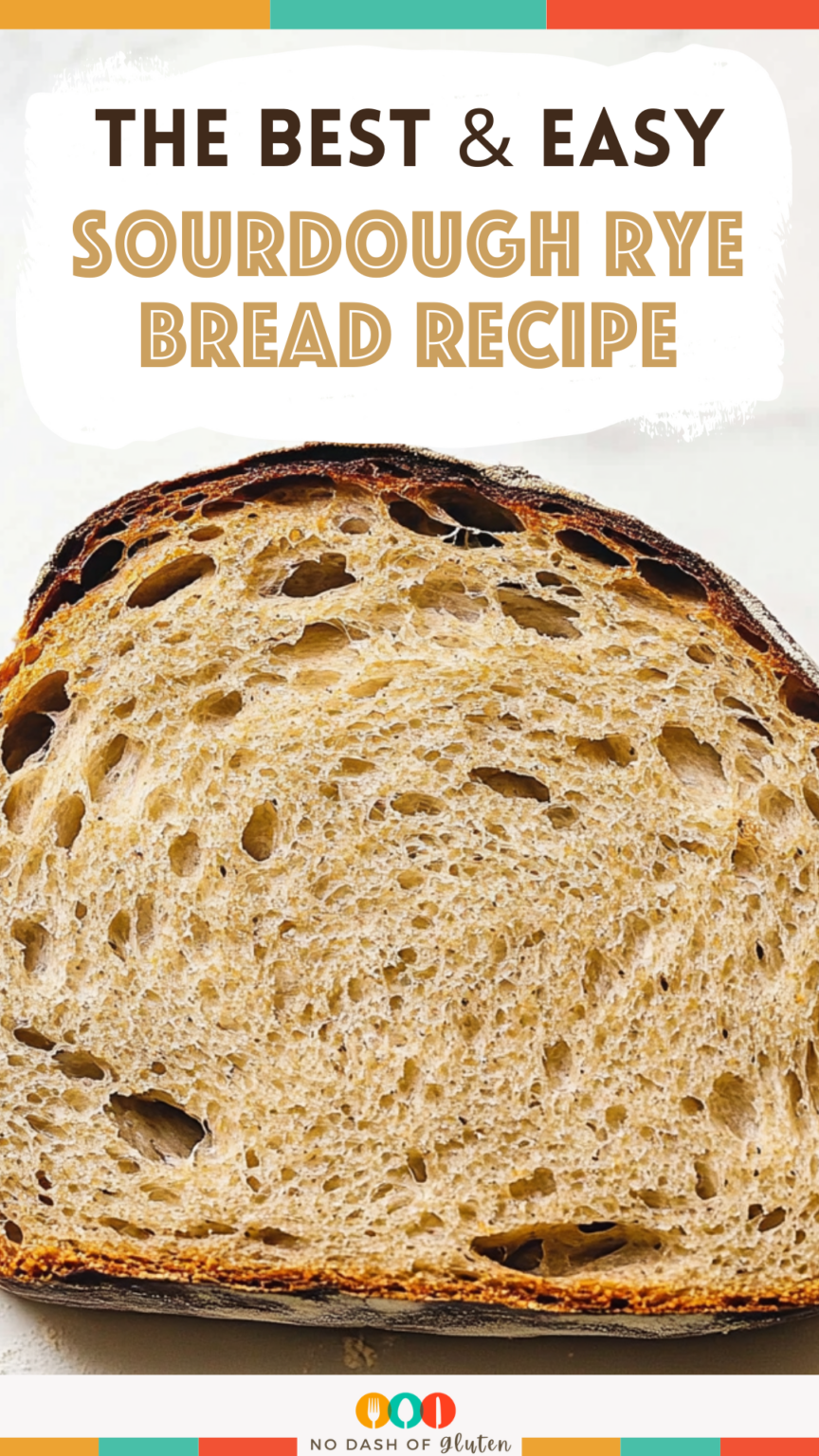
Classic Sourdough Rye Bread
A hearty, tangy sourdough rye bread with a dense crumb and robust flavor, perfect for sandwiches or toast. This recipe is a must-try for any occasion.
🥘Ingredients
- 300g rye flour (50% dark, 50% whole wheat)
- 200g all-purpose flour
- 10g salt
- 7g active sourdough starter (100% hydration)
- 150ml warm water (~100°F/38°C)
- 1 tbsp flaxseed meal
- 1 tbsp sesame seeds
- 1 tbsp poppy seeds
- 1 tbsp coarse rye flour
- 1 tbsp melted butter
👨🍳Directions
-
1
Activate the sourdough starter: Mix the starter with warm water in a bowl and let sit for 10 minutes until bubbly. -
2
In a large bowl, combine rye flour, all-purpose flour, and salt. Make a well in the center and pour in the activated starter and warm water. Mix gently with a wooden spoon until a shaggy dough forms. -
3
Transfer dough to a floured surface and knead for 5-7 minutes until smooth and elastic. If using a mixer, knead on low speed for 8-10 minutes. -
4
Place dough back in the bowl, cover with a damp towel, and let rise at room temperature for 2-3 hours (or until doubled in size). -
5
Preheat oven to 450°F (230°C). If using a Dutch oven, place it inside the oven to heat. -
6
Shape dough into a loose round (about 10 inches diameter) on a floured surface. Place seam-side up on a baking sheet or in the Dutch oven. Cover with a towel and let rise for 30-45 minutes. -
7
For the seed coating (optional), mix flaxseed meal, sesame seeds, and poppy seeds. Sprinkle lightly over the dough. For the topping (optional), mix coarse rye flour with melted butter and brush lightly over the dough. -
8
Bake in the preheated oven for 30 minutes. If using a Dutch oven, transfer it to the oven immediately after placing the dough inside. Bake for an additional 20-25 minutes until golden brown and internal temperature reaches 205°F (96°C). -
9
Remove from oven and let cool on a wire rack for at least 1 hour before slicing.
🔧Equipment
- Mixing bowls (2)
- Stand mixer or kitchen aid with dough hook
- Bench scraper
- Clean kitchen towel or banneton (for proofing)
- Baking sheet
- Dutch oven (optional but recommended)
- Measuring cups and spoons
📊Nutrition Facts (per serving)
📝Notes
Tips
- Ensure your sourdough starter is active and bubbly for best results.
- For a darker crust, increase oven temperature slightly or bake with the lid on for the first 15 minutes.
- Store in an airtight container at room temperature for up to 3 days or freeze for longer storage.
- Experiment with adding raisins, currants, or nuts for extra flavor.
Adaptations
- Substitute rye flour with 100% whole wheat flour for a slightly different texture.
- Use a mix of dark rye flour (60%) and whole wheat flour (40%) for a balanced flavor.
Watch Video Of How Classic Sourdough Rye Bread Works
❓ Frequently Asked Questions About Sourdough Rye Bread
What is the difference between sourdough rye bread and regular sourdough bread?
Sourdough rye bread differs significantly from traditional sourdough bread due to the inclusion of rye flour, which adds a distinct flavor, darker color, and denser texture. Rye flour contains less gluten than wheat flour, so the dough may require more hydration and a longer fermentation time to achieve proper structure. Additionally, rye bread often benefits from the addition of barley malt or other rye-based ingredients to enhance its flavor and improve the bread’s rise.
Why does my sourdough rye bread turn out dense or flat?
Several factors can cause your sourdough rye bread to be dense or fail to rise properly. One common reason is insufficient fermentation time—rye flour has a slower fermentation rate than wheat flour, so letting the dough ferment longer (especially overnight) helps develop more flavor and structure. Another issue could be underproofing the dough, meaning it wasn’t given enough time to fully activate the yeast and gluten development. Also, using too much rye flour (over 50%) can weaken gluten formation, so a balanced mix of rye and wheat flour (or alternative flours like whole wheat) often works better. Finally, ensuring proper hydration levels and avoiding overmixing can help maintain a lighter texture.
How do I adjust the hydration for sourdough rye bread if my dough feels too stiff or too sticky?
Adjusting hydration depends on whether your dough is too stiff (dry) or too sticky (wet). For a stiff dough, add 1–2 tablespoons of water or milk at a time, mixing gently until the dough starts to hold together when pressed. For too-sticky dough, reduce the water by 1–2 tablespoons at a time, ensuring the dough is pliable but not overly dry. Rye flour absorbs more moisture than wheat flour, so you may need to experiment with hydration levels—aim for a consistency where the dough is soft enough to shape but retains its structure when kneaded. A good rule is to use about 70–80% hydration for rye-based sourdough doughs.
Can I use store-bought rye flour instead of whole rye flour for this recipe?
Yes, you can use store-bought rye flour (such as dark rye or whole rye flour) in place of whole rye flour, but there are a few considerations. Dark rye flour (often labeled “dark rye” or “whole rye”) is denser and darker due to less processing, which can enhance flavor and texture. If your store-bought rye flour is lighter or bleached, it may not develop the same deep, malty taste, but the bread will still be edible. For best results, mix it with whole wheat or whole grain flour to balance the texture and improve rise. Avoid white rye flour (which is usually bleached and lacks nutrients) unless you’re using it in small amounts.
How long should I ferment the sourdough rye bread dough before shaping and baking?
Fermentation time for sourdough rye bread is generally longer than for traditional sourdough due to the slower yeast activity in rye flour. A good rule is to let the dough ferment 12–24 hours at room temperature before shaping. For a more pronounced flavor, you can extend fermentation to 24–48 hours in the fridge (bulk fermentation). If you’re using a starter with a strong, active discard, you might even see bubbles and a noticeable rise in just 8–10 hours. Over-fermenting can make the dough too soft, so monitor it closely—you want it to be bubbly but still pliable. If you’re using a slow fermentation method (like cold fermentation), it may take longer, so keep an eye on it!

