
sourdough starter discard recipe

The Best sourdough starter discard recipe
I love that this recipe is so versatile. It’s great for breakfast—sautéed with eggs and a sprinkle of cheese, or spread on toast with avocado and a drizzle of olive oil. It’s also fantastic in baking, like a tangy addition to muffins or quick breads, giving them that extra depth without needing much extra effort. And because it’s made with whole grains and natural fermentation, it’s packed with probiotics—something my family and I have been trying to incorporate more of into our diets. It’s not just tasty; it’s good for us, too. Plus, it’s a great way to use up that discard before it gets too old to save, so there’s no waste, just good food. Whether it’s a weekend brunch or a simple lunch, this discard is a go-to for me because it’s reliable, healthy, and always makes my kitchen smell like something good is about to happen.
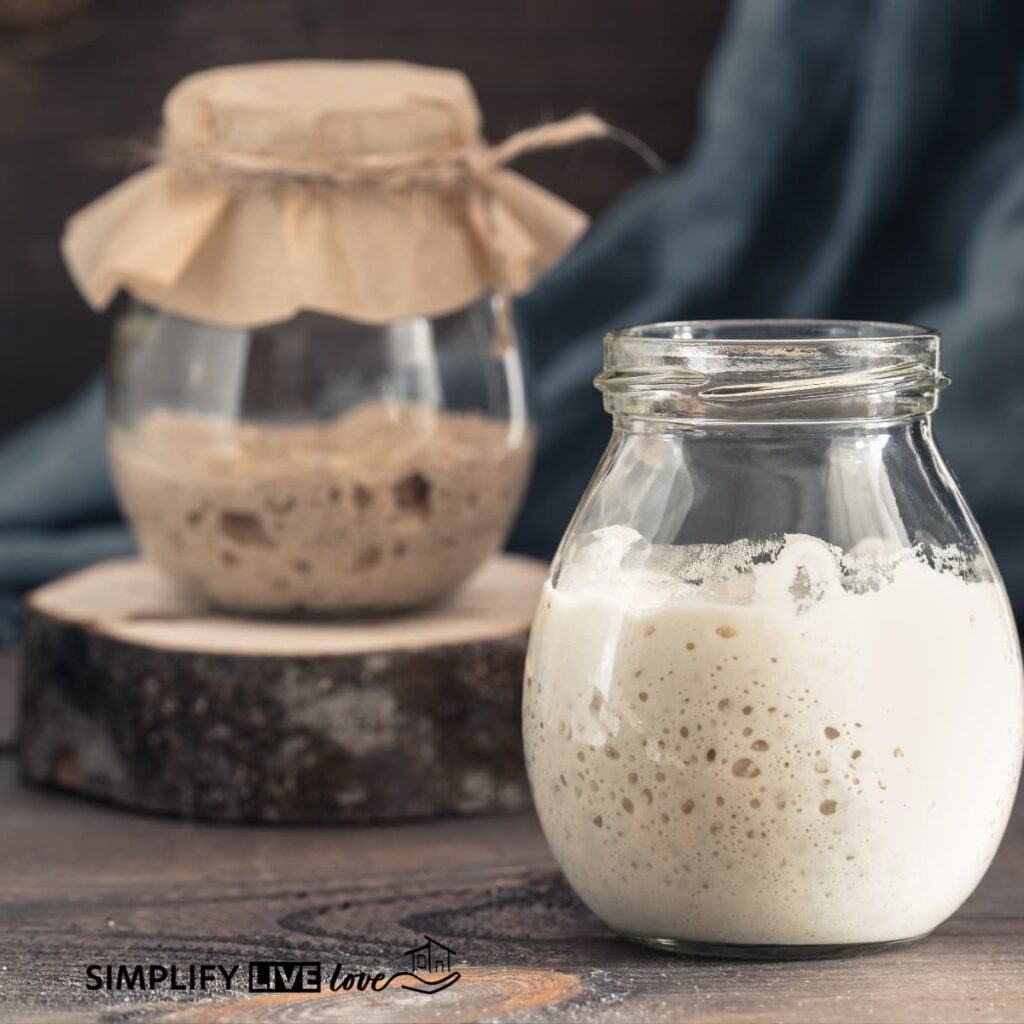
Sourdough Starter Discard Pancakes
A delicious and fluffy breakfast option made using your sourdough starter discard, offering a tangy twist to classic pancakes. This recipe is a must-try for any occasion.
🥘Ingredients
- 1 cup sourdough starter discard
- 1 cup all-purpose flour
- 1 tbsp granulated sugar
- 1 tbsp melted butter
- 1 large egg
- 1 tsp vanilla extract
- 1/2 tsp baking soda
- 1/4 tsp salt
- 1/2 cup mixed berries
- 1 tbsp maple syrup
- 1 tbsp chopped nuts
👨🍳Directions
-
1
In a large mixing bowl, combine sourdough discard, flour, sugar, melted butter, egg, and vanilla extract. Mix until smooth. -
2
Add baking soda and salt, stir until combined evenly. -
3
Heat a non-stick skillet over medium heat. Pour 1/4 cup batter per pancake and cook until bubbles form on the surface (about 2-3 minutes). Flip and cook another 1-2 minutes until golden brown. -
4
Transfer pancakes to a plate and repeat with remaining batter. Serve warm with optional toppings like berries, maple syrup, or nuts.
🔧Equipment
- Mixing bowl
- Whisk
- Non-stick skillet
- Spatula
- Measuring cups
📊Nutrition Facts (per serving)
📝Notes
Tips
- Ensure your sourdough discard is at least 20% active (rise significantly when mixed with equal parts flour).
- For extra flavor, add a pinch of cinnamon or nutmeg to the batter.
- Store leftovers in an airtight container in the fridge for up to 3 days.
Substitutions
- Replace all-purpose flour with whole wheat flour for added fiber.
- Use applesauce instead of melted butter for a lower-fat option.
Watch Video Of How Sourdough Starter Discard Pancakes Works
❓ Frequently Asked Questions About Sourdough Starter Discard Pancakes
1. What is the purpose of using discard in a sourdough starter recipe, and how does it contribute to the flavor and texture of the dough?
Discard in a sourdough starter recipe refers to the portion of the starter that is removed before feeding to encourage growth and strengthen the culture. Using discard enhances flavor by introducing more acidic notes, as the discard contains more lactic acid bacteria, which can add depth and tanginess to the dough. For texture, discard helps balance hydration levels—since it’s removed, the remaining starter can be more manageable for kneading and shaping. Additionally, discard can be used to create lighter, airier loaves by reducing the bulk of the starter, allowing for better gluten development and structure.
—
2. Can I use any type of flour for the sourdough discard recipe, and what are the best options?
You can use most flours in sourdough discard recipes, but whole wheat, rye, or even spelt flour works exceptionally well because they contain more nutrients that feed the wild yeast and bacteria. However, all-purpose flour or bread flour also works fine—just ensure it’s high-quality and free from additives. For best results, use a mix of whole grain flours (like whole wheat and rye) to mimic the natural fermentation environment of a wild starter. Avoid overly processed or low-nutrient flours if you want stronger flavor development.
—
3. How often should I use discard in my sourdough starter, and what’s the ideal ratio for feeding?
You can use discard daily, weekly, or even monthly—it depends on your starter’s activity and your baking schedule. A good rule of thumb is to use 10–20% of your starter’s volume per feeding to maintain balance. For example, if your starter is 100g, use 10–20g discard and feed it with equal weight of flour and water. If your starter is active (doubling within 4–6 hours), you can use more discard (up to 30%) to keep it strong. Overfeeding can weaken the culture, while underfeeding may slow growth.
—
4. What are the common mistakes to avoid when using discard in sourdough baking?
One common mistake is overusing discard without balancing hydration—if you remove too much, the remaining starter becomes too dry, leading to weak gluten development and a crumbly loaf. Another mistake is ignoring discard’s age—if left too long (e.g., more than 24 hours), it can become sour or inactive, ruining the flavor or fermentation. Additionally, using discard straight from the fridge without a warm-up (like sitting at room temperature for 1–2 hours) can slow fermentation, resulting in a dense or underproofed bake. Finally, not adjusting the recipe properly when using discard (e.g., adding extra water) can disrupt the dough’s structure.
—
5. Can I freeze discard, and how should I revive it if needed?
Yes, you can freeze discard for up to 3 months in an airtight container or freezer bag. To revive it, thaw it in the fridge overnight, then feed it with equal parts flour and water (e.g., 50g discard + 50g flour + 50g water). Stir well and let it sit at room temperature for 4–6 hours (or overnight in the fridge) before using. If it’s not active after feeding, try again with a fresh flour-water mix; discard that doesn’t revive within a week should be discarded.


