
bulgur wheat recipe

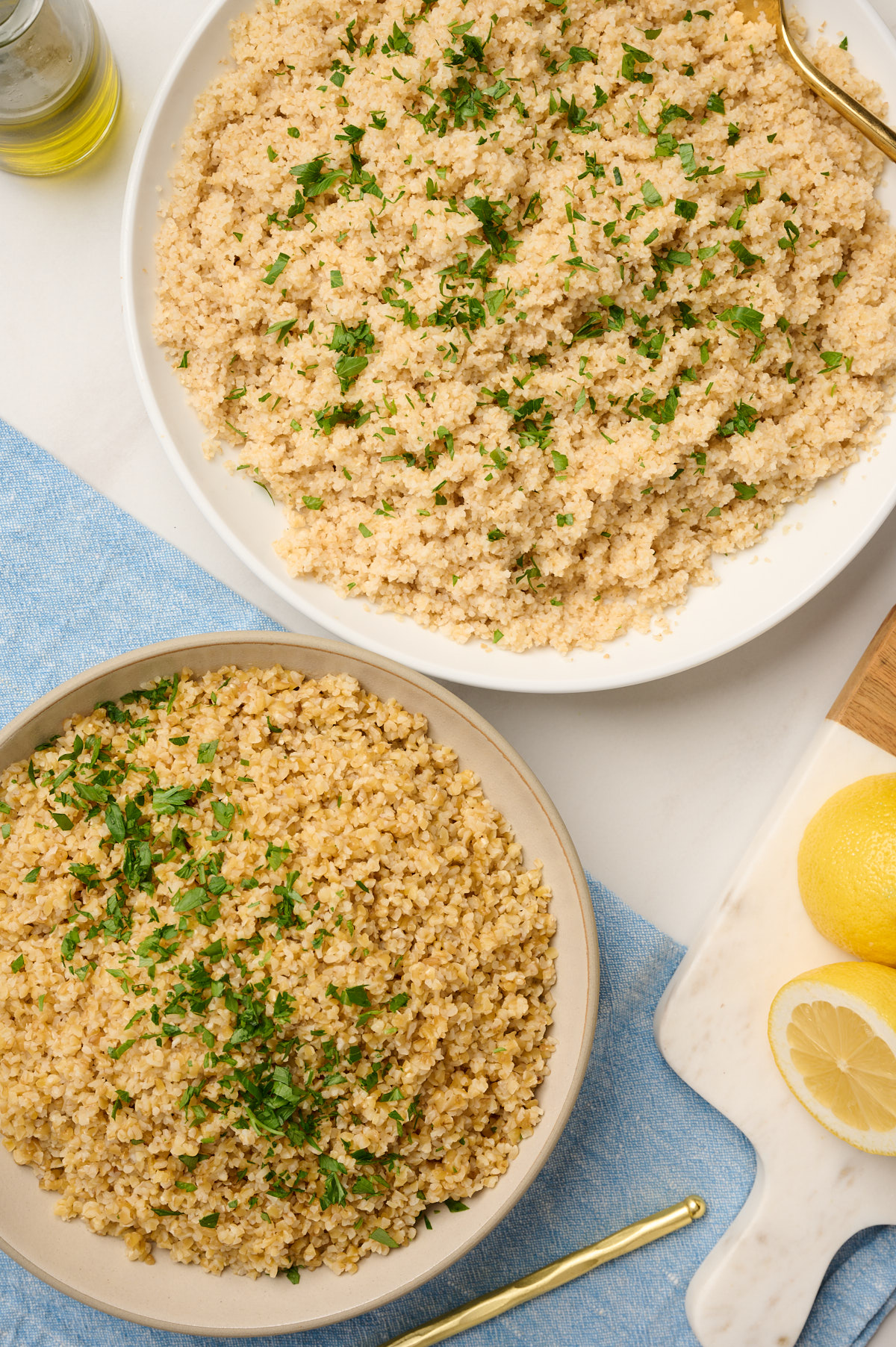
The Best bulgur wheat recipe
What really makes this recipe special is how it works for both quick meals and special occasions. Whether you’re prepping for a week’s worth of lunches or serving it at a family dinner, bulgur wheat holds up well and tastes even better the next day. My mom used to make it for potlucks, and it was always a crowd-pleaser because it’s healthy but still feels indulgent. Plus, it’s packed with fiber and nutrients—it’s got magnesium, iron, and a good dose of plant-based protein that keeps energy steady. My kids don’t even realize they’re eating something good for them because it tastes so good. And honestly, it’s one of those recipes that’s so easy to customize—add whatever you have on hand, whether it’s roasted veggies, grilled chicken, or even just a sprinkle of herbs. It’s that kind of no-fuss, nourishing dish that makes me feel good about what I’m feeding my family.
Bulgur Wheat Stuffed Peppers
A flavorful and nutritious dish featuring bulgur wheat stuffed into bell peppers, combined with tomatoes, herbs, and spices for a hearty and satisfying meal. This recipe is a must-try for any occasion.
🥘Ingredients
- 1 cup bulgur wheat
- 1 cup boiling water
- 1 cup diced tomatoes
- ½ cup finely chopped onion
- 2 cloves garlic, minced
- 1 tsp dried oregano
- 1 tsp dried basil
- ½ tsp red pepper flakes (optional)
- 1 cup shredded cheese (cheddar or feta)
- 1 cup cooked spinach or chopped parsley
- 4 large bell peppers (any color), tops cut off and seeds removed
- 2 tbsp olive oil
- Salt and pepper to taste
👨🍳Directions
-
1
Preheat oven to 375°F (190°C). Rinse bulgur wheat thoroughly under cold water, then drain. -
2
In a medium bowl, combine the rinsed bulgur wheat with boiling water. Let it sit for 10-15 minutes until the water is absorbed. -
3
While the bulgur cooks, heat olive oil in a pan over medium heat. Sauté onion and garlic until soft. Add diced tomatoes, oregano, basil, and red pepper flakes. Cook for 5 minutes. -
4
Add the cooked bulgur wheat to the pan with the tomato mixture. Stir well and let it warm through. Mix in spinach or parsley and shredded cheese until melted. -
5
Preheat oven to 375°F (190°C). Cut the tops off the bell peppers and remove seeds. Lightly brush the inside with olive oil and season with salt and pepper. -
6
Fill each pepper with the bulgur mixture. Place the stuffed peppers on a baking sheet and bake for 25-30 minutes, until peppers are tender.
🔧Equipment
- Mixing bowls
- Knife and cutting board
- Food processor or blender (optional for smoother texture)
- Oven
- Baking sheet
📊Nutrition Facts (per serving)
📝Notes
Tips
- For extra flavor, add a pinch of smoked paprika or a splash of lemon juice to the bulgur mixture.
- You can substitute spinach with any fresh greens like kale or Swiss chard.
- Leftovers can be stored in the fridge for up to 3 days or frozen for up to 1 month.
Variations
- Add cooked ground meat (chicken, turkey, or beef) to the bulgur mixture for a heartier dish.
- Use different types of cheese like mozzarella or goat cheese for variety.
Watch Video Of How Bulgur Wheat Stuffed Peppers Works
❓ Frequently Asked Questions About Bulgur Wheat Stuffed Peppers
1. What is bulgur wheat, and how is it different from regular wheat or quinoa?
Bulgur wheat is a partially cooked whole wheat grain that has been parboiled, dried, and then ground into small, irregularly shaped pieces. Unlike regular wheat, which is whole wheat or refined flour, bulgur is pre-cooked, making it faster to cook and more nutritious. It is also different from quinoa, which is a seed and has a distinct fluffy texture and higher protein content.
—
2. Can I substitute bulgur wheat with another grain or ingredient if I don’t have it on hand?
Yes! If you’re missing bulgur, you can try these substitutes:
– Couscous (cook it first, then mix with broth for a similar texture).
– Pearl barley (cook until tender, then blend slightly for a softer consistency).
– Quinoa (cook until fluffy and mix with extra liquid to mimic bulgur’s texture).
– Dried lentils (soak and cook until soft, then chop finely).
– Rice (cook white or brown rice, then mix with broth or broth-based sauce for a softer texture).
—
3. How do I know if my bulgur wheat is cooked properly?
Bulgur is ready when it’s tender but still holds its shape—it should look like tiny, soft pebbles rather than mushy or hard. Here’s how to check:
– Cook it in 1:2 ratio (1 part bulgur to 2 parts liquid, like water or broth).
– Simmer gently for 10–15 minutes (unlike couscous, which cooks faster).
– Fluff with a fork and taste a little—it should be soft but not falling apart.
– If it’s still firm, add a splash of liquid and cook a bit longer.
—
4. Can I make bulgur wheat ahead of time and store it for later use?
Yes! Bulgur can be prepped in advance for convenience. Here’s how to store it:
– Cooked bulgur: Let it cool, then store in an airtight container in the fridge for 3–4 days or freeze for up to 3 months.
– Uncooked bulgur: Keep it in a cool, dry place (like a pantry) for up to 6 months or transfer to an airtight container for longer freshness.
– Reheating: Warm it in a pot with a little broth or water, or microwave with a splash of liquid.
—
5. How can I make bulgur wheat more flavorful without relying on heavy sauces?
Enhance bulgur’s taste with simple, fresh ingredients:
– Herbs & aromatics: Add finely chopped parsley, cilantro, or dill right before serving.
– Acidity: A squeeze of lemon juice, vinegar (apple cider or white), or a pinch of lemon zest brightens flavors.
– Spices: Toast a little cumin, paprika, or garlic powder with the bulgur before cooking.
– Protein boost: Stir in crumbled feta, grilled chicken, chickpeas, or tofu.
– Veggies: Sauté spinach, bell peppers, zucchini, or roasted eggplant with it.
– Umami: A dash of soy sauce, miso paste, or a splash of tomato paste adds depth.
– Garnish: Top with crumbled bacon, toasted nuts, or a drizzle of tahini or olive oil.


