
sweet potato bread recipe

The Best sweet potato bread recipe
I love that sweet potato bread is both a simple and nutritious option. Unlike some breads that rely on refined flour and sugar, this one uses whole ingredients—flour, eggs, and a generous amount of mashed sweet potatoes—that give it fiber, vitamins, and a satisfying texture. It’s not just good for you, though, it’s delicious, too. The way the sweet potatoes caramelize slightly during baking makes it taste like a cross between a soft cake and a hearty loaf, and it holds up well when sliced, toasted, or even used in sandwiches. Plus, it’s perfect for meal prep—you can make a big batch and keep it fresh for days, which is great when you’re trying to balance healthy eating with busy schedules. My family has been eating it for years, and it’s always a favorite, whether we’re making it for a holiday gathering or just because we’re craving something warm and wholesome.
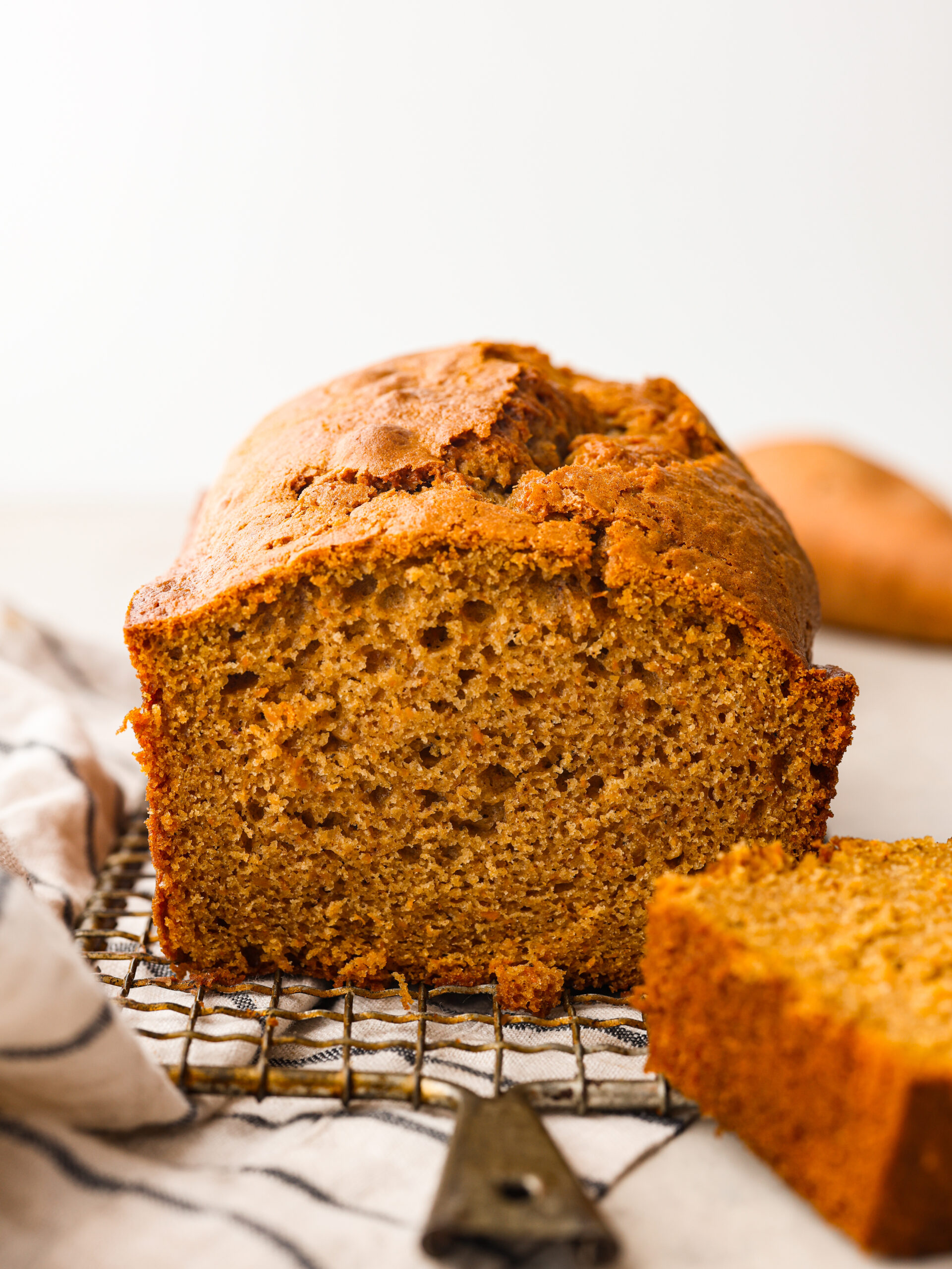
Sweet Potato Bread
A moist and flavorful loaf of bread infused with the natural sweetness of roasted sweet potatoes, perfect for breakfast or as a sandwich bread. This recipe is a must-try for any occasion.
🥘Ingredients
- 2 medium sweet potatoes, peeled and diced
- 1 cup all-purpose flour
- 1 tsp baking soda
- ½ tsp salt
- 1 large egg
- ½ cup melted butter or oil
- 1 tsp vanilla extract
- 1 tbsp brown sugar
- ½ tsp cinnamon
- 1 tbsp chopped walnuts or pecans
👨🍳Directions
-
1
Preheat oven to 375°F (190°C). Line a loaf pan with parchment paper. -
2
Roast the sweet potatoes: Place diced sweet potatoes on a baking sheet and roast for 20-25 minutes until tender. Let cool slightly. -
3
In a large bowl, mix flour, baking soda, and salt. Stir in the egg, melted butter/oil, and vanilla extract until combined. -
4
Fold in the cooled roasted sweet potatoes until evenly distributed. -
5
Transfer the dough into the prepared loaf pan. Sprinkle optional toppings (brown sugar, cinnamon, nuts) on top if desired. -
6
Bake for 40-45 minutes or until a toothpick inserted comes out clean. Cool before slicing.
🔧Equipment
- Mixing bowls
- Oven
- Loaf pan
- Mixing spoon
- Food processor or hand mixer (optional)
📊Nutrition Facts (per serving)
📝Notes
Tips
- For extra moisture, add ¼ cup Greek yogurt or applesauce to the dough.
- Substitute sweet potatoes with regular potatoes if needed.
- Ensure sweet potatoes are fully roasted for best flavor integration.
Storage: Store in an airtight container for up to 5 days or freeze for longer storage.
Watch Video Of How Sweet Potato Bread Works
❓ Frequently Asked Questions About Sweet Potato Bread
1. What is the difference between sweet potato bread and regular bread?
Sweet potato bread differs from regular bread primarily due to the use of sweet potatoes as the main ingredient. Sweet potatoes provide natural sweetness, moisture, and a slightly earthy flavor, while also contributing a denser texture. Regular bread typically relies on flour, water, yeast, and sometimes sugar or honey for sweetness, resulting in a lighter, more airy crumb. Sweet potato bread often has a richer, more complex taste and a moist, slightly cake-like consistency compared to traditional bread.
—
2. Can I substitute regular flour with another type of flour in the sweet potato bread recipe?
Yes, you can substitute regular flour, but the texture and flavor may vary. For a lighter texture, you could use half whole wheat flour and half all-purpose flour. For a gluten-free option, you can blend gluten-free flour (like a 1:1 gluten-free baking mix) with a bit of xanthan gum. Keep in mind that sweet potato bread may become denser or less fluffy if you replace all-purpose flour entirely.
—
3. How do I ensure the sweet potato bread stays soft and moist for longer?
To keep sweet potato bread soft and moist, follow these tips:
– Store it in an airtight container or wrapped tightly in plastic wrap to retain moisture.
– Place a slice of bread inside the container or wrap to absorb any dryness from the air.
– Refrigerate or freeze small portions for later use.
– Avoid exposing the bread to direct heat or sunlight, which can dry it out quickly.
– If the bread feels dry after a few days, lightly mist it with water or brush with a little melted butter before storing.
—
4. Why does my sweet potato bread turn out dense or crumbly?
Several factors can cause your sweet potato bread to be dense or crumbly:
– Overmixing – Mixing too much can develop gluten, making the bread tough. Mix just until combined.
– Underbaking – Check the internal temperature with a thermometer (bread should reach 190–200°F/88–93°C). If it’s underdone, it may be dense.
– Too much liquid – Sweet potatoes release moisture; if you add extra water or liquid, the bread can become gummy.
– Old or dry sweet potatoes – Using very dry sweet potatoes can result in a denser texture. Ensure they’re fresh and properly mashed.
– Not enough leavening – If you skip or reduce yeast or baking powder, the bread won’t rise properly, leading to a dense crumb.
—
5. Can I make sweet potato bread without yeast?
Yes, you can make sweet potato bread without yeast by using one of these methods:
– Baking powder – Replace yeast with 2–3 teaspoons of baking powder and ensure proper mixing.
– Sourdough starter – Use a small amount of an active sourdough starter (e.g., 1–2 tablespoons) to help with fermentation.
– Quick rise – Let the sweet potatoes and other ingredients sit at room temperature for 30–60 minutes before baking to allow natural fermentation.
– Eggs – Adding 1–2 extra eggs can help bind the ingredients and create a lighter texture.
For a fluffier result, baking powder works best, while sourdough adds a tangy flavor.
