
thin pizza crust recipe

The Best thin pizza crust recipe
This recipe is perfect for both casual weeknight dinners and special occasions because it’s versatile. You can make a big one for game night with all the toppings, or a smaller one for a quick lunch with the kids. And honestly, it’s healthier than you’d think—less dough means fewer carbs, but the crust still holds up well to sauces and toppings. My daughter loves that it’s not as heavy as traditional pizza, so she can enjoy it without feeling sluggish afterward. Plus, it’s easy to customize—swap out the cheese or veggies based on what’s on hand, and it still turns out delicious. It’s that kind of recipe that feels like a little extra effort, but it’s worth it every time.
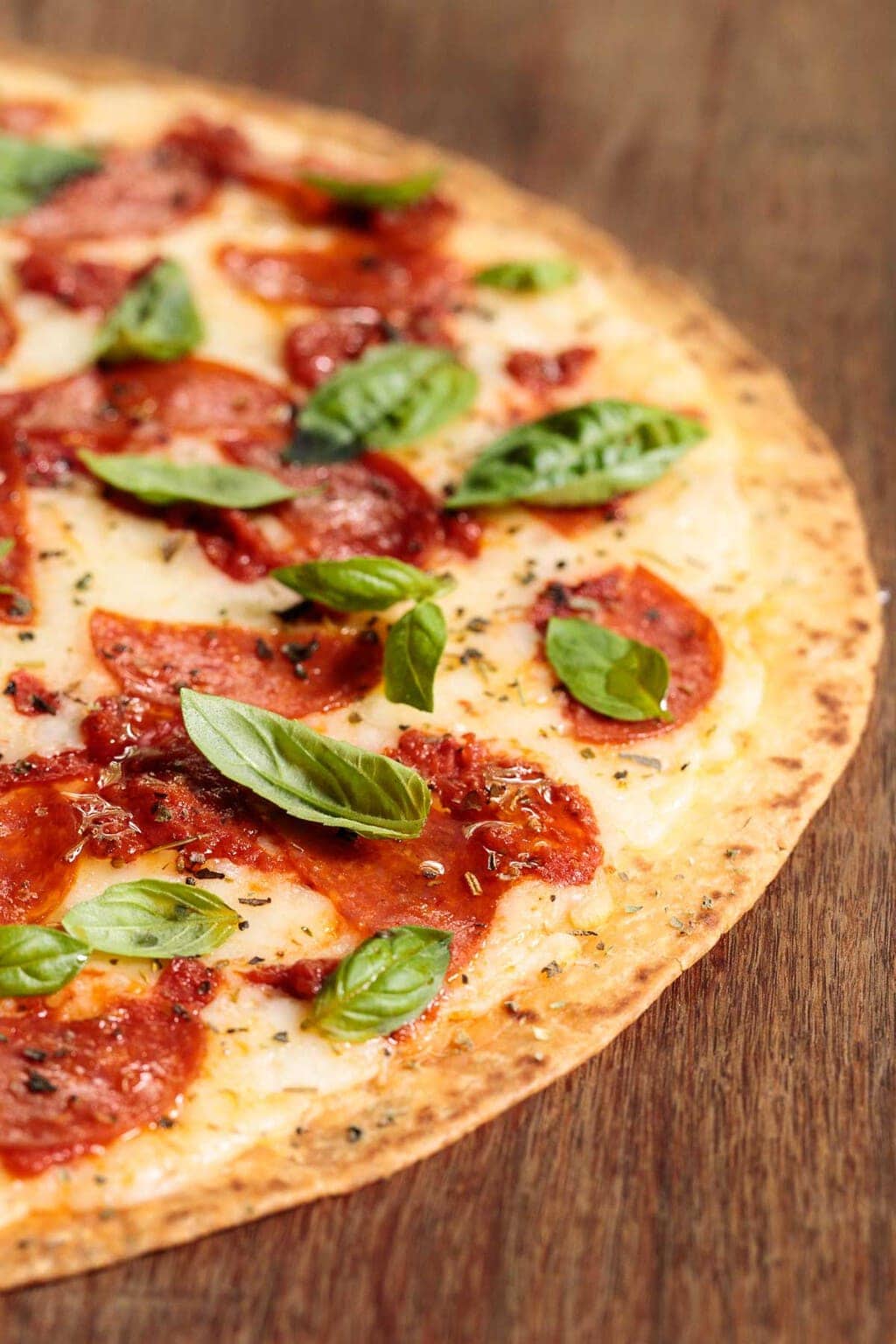
Ultra-Thin Crispy Pizza Crust Recipe
A fast and flaky pizza crust that’s thin, crispy, and perfect for any pizza lover. Ideal for quick meals or homemade pizzas with minimal effort.
🥘Ingredients
- 1 cup all-purpose flour (plus extra for dusting)
- 1 tsp salt
- 1 tsp sugar
- 1 large egg
- 1 tbsp olive oil
- 1/4 cup warm water
- 1/2 cup pizza sauce
- 1 cup shredded mozzarella cheese
- 1/4 cup grated Parmesan cheese
- 1/4 cup diced bell peppers
- 1/4 cup sliced mushrooms
- 1/4 cup diced ham or pepperoni
- Red pepper flakes (to taste)
👨🍳Directions
-
1
Preheat oven to 425°F (220°C). Line a baking sheet with parchment paper. -
2
In a bowl, whisk together flour, salt, and sugar. Add the egg, olive oil, and warm water. Mix until a dough forms. If too sticky, add a little more flour. -
3
Turn dough onto a lightly floured surface and knead for 2 minutes until smooth. Divide into 2 equal balls. -
4
Roll each ball into a thin circle (about 1/8-inch thick) using a rolling pin. Transfer to the prepared baking sheet. -
5
Preheat pizza stone or baking sheet in the oven for 5 minutes. Add toppings (sauce, cheese, etc.) and bake for 10-12 minutes until cheese is bubbly and crust is golden.
🔧Equipment
- Mixing bowl
- Whisk or fork
- Rolling pin (or a bottle filled with water)
- Pizza peel or parchment paper
- Baking sheet
- Oven
📊Nutrition Facts (per serving)
📝Notes
Tips
- For extra crispiness, bake the dough without toppings first for 5 minutes, then add toppings.
- Use a pizza stone or metal baking sheet for even heat distribution.
- Adjust thickness based on preference—thinner for crispier, thicker for softer crust.
Substitutions
- Reduces carbs but may require slightly more water for consistency.
- Works well for a neutral flavor.
Watch Video Of How Ultra-Thin Crispy Pizza Crust Recipe Works
❓ Frequently Asked Questions About Ultra-Thin Crispy Pizza Crust
1. What is the secret to achieving a perfectly thin and crispy thin pizza crust?
The secret lies in a few key steps: using a high-protein flour blend (like a 75/25 or 80/20 mix), reducing the dough’s hydration slightly (about 60-65% water), and letting it rest properly before stretching. Additionally, baking it at a very high temperature (500°F/260°C or higher) and using a pizza stone or steel ensures even crispiness. A quick toss with flour or oil before stretching also helps prevent sticking.
—
2. How do I prevent my thin crust from tearing or breaking when stretching?
To avoid tearing, start by making a small, loose ball of dough and letting it rest for at least 30 minutes (or up to 2 hours for a more elastic texture). Use your hands to gently shape it into a thin, even circle—avoid over-stretching in one spot. If it’s too sticky, lightly flour your hands and the dough. For extra stability, roll it out with a rolling pin before stretching, then use a pizza peel or your hands to shape it into a thin, even circle.
—
3. Why does my thin crust turn out soggy instead of crispy?
Soggy crust happens when the pizza isn’t baked hot enough, the sauce isn’t well-prepared, or the cheese isn’t cooked through properly. For a crispy crust:
– Use a very high oven temperature (500°F/260°C or higher) and preheat the oven for at least 30 minutes.
– Pre-cook the sauce (simmer for 5-10 minutes) to remove excess moisture before adding it to the crust.
– Reduce sauce quantity—a thin layer (about ¼ inch) is ideal.
– Add a thin layer of oil (like olive oil or melted butter) to the dough before baking for extra crispiness.
– Use a pizza stone or steel to absorb moisture and promote even baking.
—
4. Can I make a thin crust pizza without a pizza stone or steel?
Yes! If you don’t have a pizza stone, you can still get a crispy crust by using alternative methods:
– Bake on a metal baking sheet (preheated to the same high temperature) and flip it halfway through baking.
– Use a cast-iron skillet (preheated) and cook on high heat for 3-5 minutes per side.
– Bake on a wire rack (placed on a baking sheet) to allow air circulation and prevent steam buildup.
– Add a layer of cornstarch or semolina to the dough before stretching to create a barrier that helps crispiness.
– Brush the crust with beaten egg white or melted butter before baking for extra crispiness.
—
5. How long should I let the dough rest before stretching for a thin crust?
For a thin crust, resting the dough is crucial—it relaxes the gluten and makes stretching easier. Here’s the ideal timeline:
– Minimum rest time: 30 minutes (room temperature).
– Optimal rest time: 1–2 hours (warmer environment speeds this up).
– Cold rest (refrigerator): 4–12 hours (for a more elastic, thin texture).
– Avoid over-resting—if the dough becomes too soft or sticky, it won’t hold its shape when stretched.
– For a quick version, let it rest at room temperature for at least 30 minutes before stretching.

