
whole wheat flour recipe

The Best whole wheat flour recipe
I love this recipe because it’s simple enough for a busy weeknight but also impressive enough for a dinner party or holiday spread. My family loves how it keeps us full longer than refined flour, and the kids actually ask for whole wheat toast with their eggs or whole wheat pizza bites on the weekends. Plus, it’s just so much better for us—more fiber, more vitamins, and that satisfying texture that makes you feel like you’re eating something wholesome. It’s not just about health; it’s about the kind of food that makes you feel good, inside and out, whether you’re cooking for a crowd or just feeding your family straight from the oven.
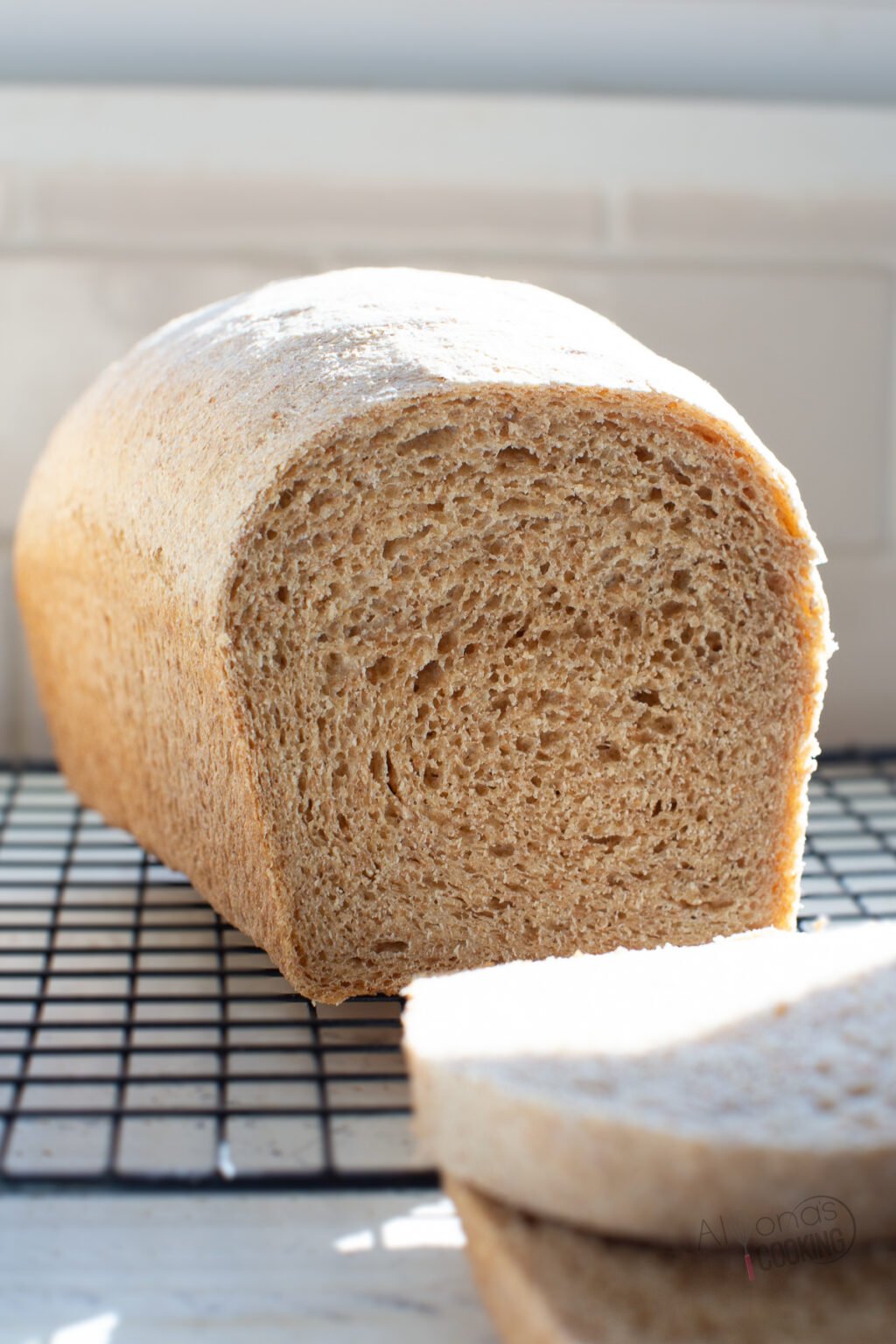
Whole Wheat Flour Stuffed Bell Peppers
A delicious and nutritious dish featuring stuffed bell peppers made with whole wheat flour, packed with flavorful ingredients and baked to perfection. This recipe is a must-try for any occasion.
🥘Ingredients
- 1 cup whole wheat flour
- 1/2 cup all-purpose flour
- 1/2 cup water
- 1 egg
- 1/2 tsp salt
- 1/2 tsp baking powder
- 4 large bell peppers (any color), tops cut off and seeds removed
- 1 cup cooked quinoa
- 1 cup diced tomatoes
- 1/2 cup finely chopped spinach
- 1/2 cup crumbled feta cheese
- 1/4 cup chopped fresh parsley
- 1 clove garlic, minced
- 1 tbsp olive oil
- Salt and pepper to taste
- 1 cup marinara sauce
- 1 tbsp tomato paste
- 1 tsp dried oregano
- 1/2 tsp red pepper flakes (optional)
- 1/2 cup grated Parmesan cheese
👨🍳Directions
-
1
Preheat oven to 375°F (190°C). Cut the tops off the bell peppers and remove seeds. Lightly brush the inside with olive oil. -
2
In a bowl, mix the whole wheat flour, all-purpose flour, salt, and baking powder. Gradually add water while stirring until a dough forms. Knead lightly, then roll out to about 1/4-inch thickness. -
3
Cut the dough into strips and use to stuff each bell pepper. Place peppers in a baking dish, filling each with quinoa, tomatoes, spinach, feta, parsley, and garlic. -
4
Pour marinara sauce over the peppers, sprinkle with tomato paste, oregano, red pepper flakes, and Parmesan cheese. Bake for 25-30 minutes until peppers are tender.
🔧Equipment
- Mixing bowls
- Food processor (optional)
- Baking sheet
- Oven
- Knife and cutting board
- Measuring cups and spoons
📊Nutrition Facts (per serving)
📝Notes
- Tips: For extra flavor, add diced onions to the filling. Ensure peppers are well-stuffed to avoid leaks during baking.
- Substitute quinoa with brown rice or lentils for a different texture.
- Use a food processor to mix the dough for easier handling.
Watch Video Of How Whole Wheat Flour Stuffed Bell Peppers Works
❓ Frequently Asked Questions About Whole Wheat Flour Stuffed Bell Peppers
What is the difference between whole wheat flour and regular white flour?
Whole wheat flour contains the entire wheat kernel, including the bran, germ, and endosperm, making it richer in fiber, vitamins, minerals, and nutrients compared to regular white flour. Whole wheat flour has a nuttier flavor and a denser texture, which can make baked goods slightly heavier and more moist. Regular white flour is milled from the endosperm only, resulting in a lighter texture and a more refined taste.
—
How can I substitute whole wheat flour in a recipe that calls for white flour?
You can replace whole wheat flour in recipes with white flour by using a 1:1 ratio, but keep in mind that the texture and nutritional content will differ. For example, if a recipe calls for 2 cups of white flour, you can use 2 cups of whole wheat flour. However, if you want a lighter texture, you can mix whole wheat flour with all-purpose flour (e.g., 75% whole wheat and 25% all-purpose). For baked goods like bread, you might also add a bit of xanthan gum (½ tsp per 1 cup of flour) to improve binding.
—
Why does my whole wheat bread turn out dense and heavy?
Whole wheat flour has a lower gluten development rate compared to white flour, which can result in denser bread. This is because the bran and germ in whole wheat flour can interfere with gluten formation. To improve texture, you can:
– Use a longer kneading time (about 10-15 minutes).
– Add a small amount of vital wheat gluten (½ to 1 tsp per cup of flour) to boost gluten strength.
– Incorporate a bit of baking soda or a leavening agent to help with rise.
– Reduce the hydration slightly (e.g., use less water) to help the dough hold together better.
—
Can I use whole wheat flour for all my baking needs?
While whole wheat flour works well for many baked goods like muffins, cakes, and cookies, it’s not ideal for all recipes. Its denser texture and lower gluten content make it less suitable for delicate items like cakes, pastries, or fine cookies. For these, you might want to use a combination of whole wheat flour and all-purpose flour or switch to a lighter flour like cake flour. Additionally, whole wheat flour can absorb more liquid, so you may need to adjust other ingredients like eggs or butter accordingly.
—
How do I store whole wheat flour to keep it fresh?
Whole wheat flour tends to spoil faster than white flour due to its higher fat and moisture content. To keep it fresh:
– Store it in an airtight container or a sealed bag in a cool, dark place (like your pantry).
– If you notice a musty smell or clumps forming, it’s time to replace it.
– For longer freshness, refrigerate or freeze the flour in a sealed container. Whole wheat flour can last up to 3-6 months in the fridge or up to 6 months in the freezer.
– Avoid leaving it exposed to heat or humidity, as this accelerates spoilage.


